
L.A. Heat
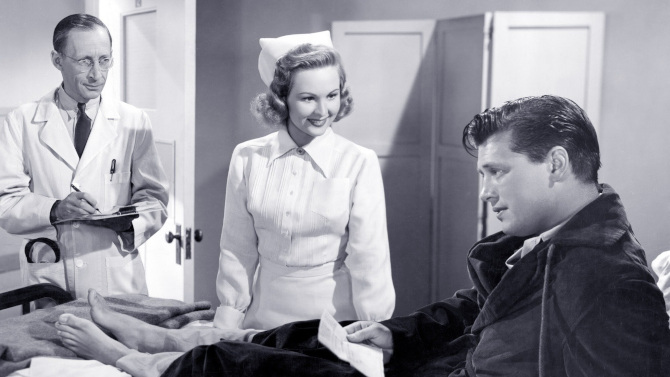
Sometimes, even the best laid plans for your future, discussed and organized for years, Backfire (1950). A post World War II, Los Angeles set film noir directed by Vincent Sherman proves that in life, nothing is a guarantee. Set over Christmas and New Years 1948, even though we are three years on from the conclusion of the War, soldier Bob Corey (Gordon McRae) is still convalescing at an army hospital after undergoing numerous back surgeries. Relying on fellow military tank buddy Steve Connelly (Edmond O’Brien – D.O.A.; The Hitch-Hiker) to do all the legwork (and military paperwork) to fulfil their long talked about plan... that is, to find a ranch property that they can go oil hunting on, they finally think “we’re out of the jungle now”... alas, they’re far from it.
There’s Something About Laura
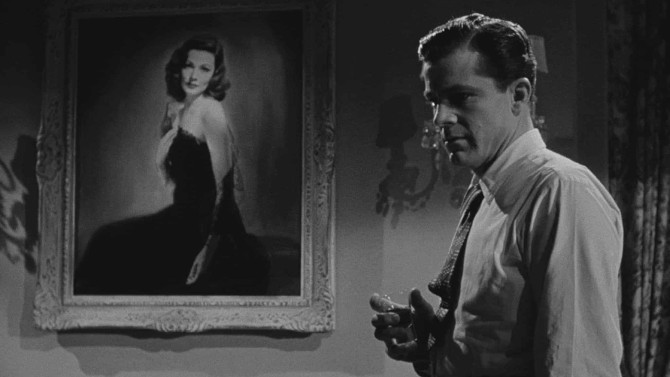
Some people just have a natural aura... a mesmeric vibe that draws people to them. Whether it’s looks, personality, a combination of both, or perhaps something else that’s completely inexplicable, other human beings are just instinctively attracted to them. Of course, that happened in the comedy There’s Something About Mary (1998), but long before that, a similar scenario involving the titular character in the legendary film noir Laura (1944) occurred, all orchestrated by producer and eventual director Otto Preminger – River of No Return)... but more on that complicated tale later. Opening with the news that Laura Hunt (Gene Tierney – The Ghost and Mrs. Muir; Night and the City) is dead by way of murder, it is all told by way of our voice-over narrator (and famed writer/radio voice) Waldo Lydecker (Clifton Webb) – there is no denying that he is one of the gents truly infatuated with the lady.
Pointing the Finger
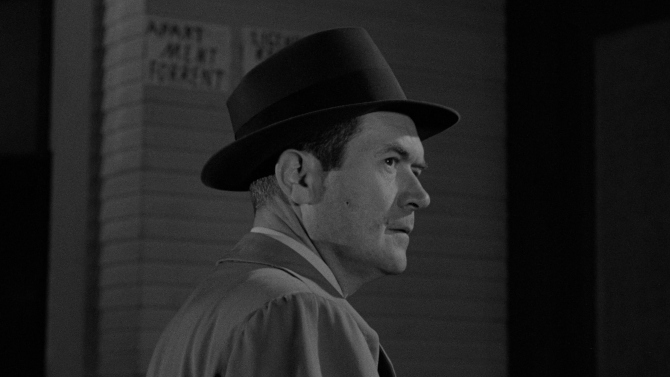
Christmas Eve – usually a day of family togetherness, holy happiness and plenty of joy... that is, unless you’ve been picked up by the coppers and they’re putting the mighty squeeze on you. Directed by Harold D. Schuster, the 1955 crime thriller film noir Fingerman (sometimes spelled Finger Man) finds a longtime mid level thug with good street cred given a less than envious gift for the holidays – the chance to put a sting on one of the most dangerous criminal bosses thriving on rackets in at least eleven different States. Voice-over narrated by our stuck between a rock and a hard place protagonist, Casey Martin (Frank Lovejoy – In a Lonely Place; The Hitch-Hiker), he has recently been nabbed by the Treasury Agency (A.K.A. the T-Men), with their boss, Mr. Burns (Hugh Sanders), giving him his one and only choice – help them grab one Dutch Becker (Forrest Tucker) – a wealthy criminal mastermind who has his dirty paws in everything from illegal alcohol and gambling, to night clubs and prostitution.
Crash and Burn Out?
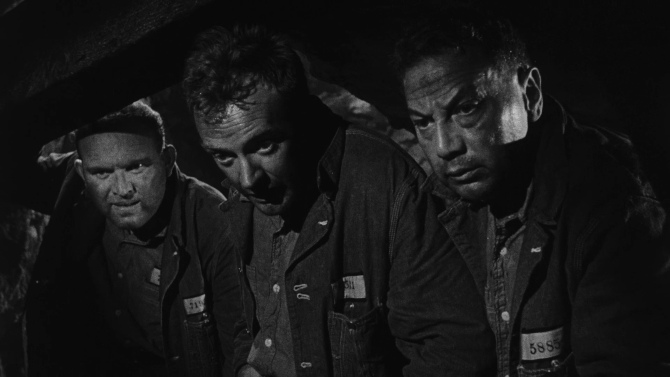
Starting out with a riotous jailbreak, the 1955 film noir Crashout, directed by Lewis R. Foster, finds six of the grittiest criminals working together to make a lengthy trip to get their hands on a briefcase full of cold hard cash. Led by the man with the plan and a slug in his back (courtesy of the jailbreak), Van Morgan Duff (William Bendix – The Big Steal; Who Done It?), rules the escapees with an iron fist... it helps that he is the only person who knows where the money is hidden.

What Could Have Been: City of Shadows
The one armed bandit (also known as the slot machine)... a dream for a select few winners, a nightmare for most others. Gambling, in many ways, can be an addictive curse, but could that also be the case for those thugs running the machines too? A crime centred noir-lite directed by William Witney, City of Shadows (1955), may just answer the above question. Big Tim Channing (Victor McLagen), is not living up to his name, as his thuggish fellow racketeers Tony Finetti (Anthony Caruso) and Angelo Di Bruno (Richard Reeves) are dominating the slot game, as his dilapidated machines are out of order half the time. That is, until a street wise twelve year old orphan, Dan Mason (as a young boy, Jimmy Grohman), gives him the grift that will put him back on top.
Suspiria Sequel
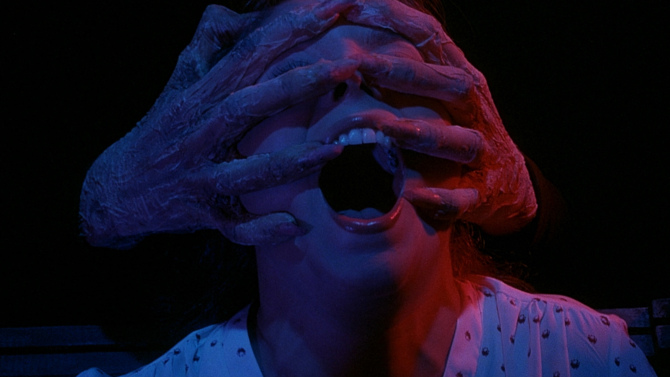
The immense love for Dario Argento’s visually mesmeric horror film Suspiria (1977) has in some ways overshadowed that it is actually part of the Three Mothers Trilogy – a thematic grouping more akin to the Three Flavours Cornetto Trilogy from Edgar Wright than a more traditional franchise. Both written and directed by Argento, Inferno was released three years after the original... for those curious, the long delayed bookend, The Mother of Tears, only came to life in 2007. Carrying forward a similar vibe and flair as the first feature, Inferno, instead of being set in Germany, takes place between New York and Rome. Starting in the Big Apple, young poet Rose Elliott (Irene Miracle) seems to be living quite the life for someone so young... as the apartment she resides in would even make the cast of Friends jealous.