

Dawn of the Deadpool
The anticipation was palpable. . . after a bunch of unique trailers (Superman phone booth spoof, deceased PBS artist Bob Ross riff, ‘oh shit, we forget to put the computer generated effects in’, and apologies to David Beckham), Deadpool has finally returned to theatres – one of the most anticipated R-rated sequels in quite some time. And, for the most part, it thrives. This time directed by stunt man turned action maestro David Leitch (John Wick; Atomic Blonde), he reintroduces us to Wade Wilson, aka Deadpool (Ryan Reynolds), the sarcastic, fast-talking quasi hero who cleans up the streets by leaving one dead body after another littering them. Though all is not well, and we soon flash back to learn why our protagonist is so morose – a nice touch, while he sulks, he plays a music box that features Wolverine impaled on a stake. *** Warning, one major and a few minor spoilers in the upcoming paragraphs.***
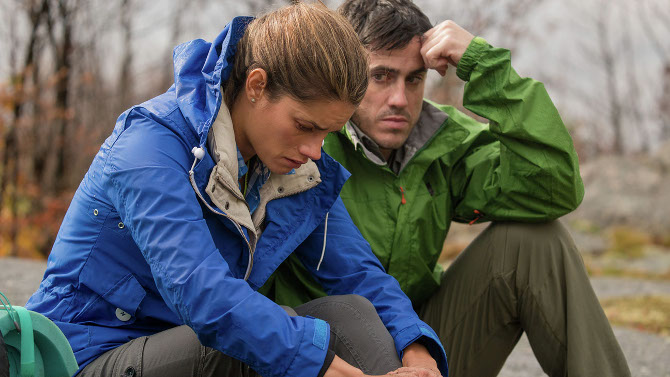
They Lost their Bearings
Camping: a dream to some. . . a nightmare to others! For all of the beautiful vistas, calm lakes, and age-old trees that bring you closer to nature, the nights are the pitchest of blacks, hiding not only mosquitos the size of vampire bats (that hover around looking for a scrumptious meal), but also a throng of wild animals that lurk in the shadows – only their glowing eyes seen in the ominous dark. . . and soon, once you’ve meandered off the beaten track, those towering hardwoods all start to look the same. No one can hear you scream when you’re in the middle of nowhere. . . okay, perhaps laying it on a bit thick, but this is the basic premise of the high reaching, low budget 2014 Canadian horror tinged dramatic thriller, Backcountry. Written and directed by first time filmmaker Adam MacDonald, he transports us to a provincial park in northern Ontario during the last days of autumn. The rush is over, people have returned to the big city, but young couple Alex (Jeff Roop) and Jenn (Missy Peregrym) are making the trek to the picturesque natural locale before it closes for the winter. The stomping grounds of Alex for many a summer, it is not high on the to-do list for urban-loving Jenn – a cell-phone addicted lawyer. So confident is Alex that he tells the Park Ranger (Nicholas Campbell) that he does not need a map. . . the employee also informs the camper that the lake he was planning on bringing his gal to is off limits (as kids have been sneaking up there and partying – destroying the pristine, unpolluted loch. . . expect a grand in fines if caught – the horrors of government rules and regulations).

Pork-Chop Suey
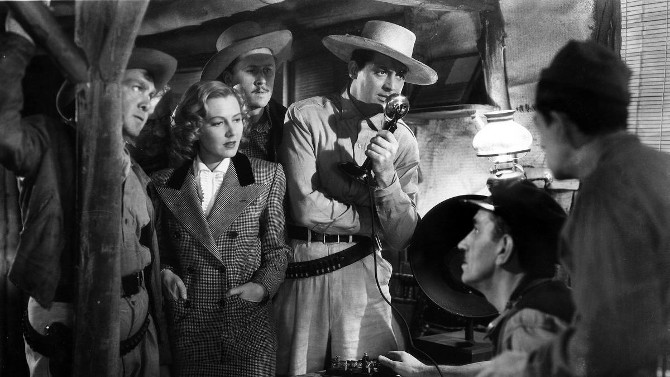
One of the great anti-heros of the 1980's, Kurt Russell’s Snake Plissken (John Carpenter’s Escape From New York) is a quick-thinking cynic; a cool, level-headed former Special Forces military man with a plan. . . and let’s face it, his combination of quick wit and eye patch makes him one bad-ass muthafuka. Quite the opposite, Jack Burton (also played by Russell), with his diction having a John Wayne tinge, is a cocky, brash American, a fly-by-the-seat-of-his-pants ‘in his own mind’ leader who lacks the brains, the skills or the know how to be in that all-important position. The main protagonist of John Carpenter’s 1986 fantastical martial arts action/adventure/comedy Big Trouble in Little China, Burton is a truck driver (his big rig named The Pork-Chop Express), spending those long days and even longer nights spouting his unique brand of advice to whoever is listening on their CB – a prime example, “when some wide-eyed, eight-foot-tall maniac grabs your neck, taps the back of your favorite head up against the barroom wall, and he looks you crooked in the eye and he asks if ya paid your dues, you just stare that big sucker right back in the eye, and you remember what ol’ Jack Burton always says at a time like that: ‘Have you paid your dues, Jack?’ ‘Yessir, the check is in the mail’”.
Star Pick with John Carpenter
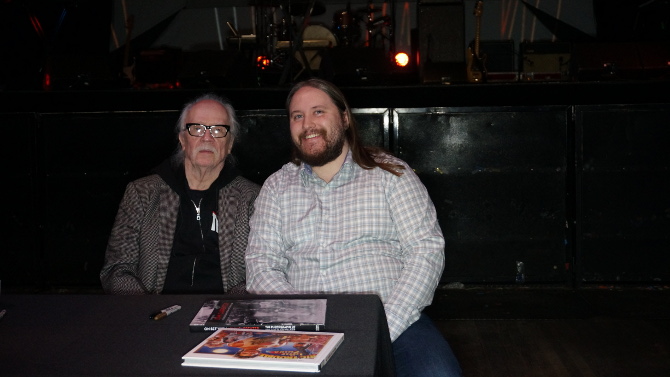
What is there to say about an icon like John Carpenter? An auteur with the skill to make dynamic features with a minuscule budget, his film Halloween majorly influenced the slasher sub-genre (along with gialli, and other movies such as Peeping Tom, Psycho, The Texas Chainsaw Massacre and Black Christmas). One of the most prolific horror filmmakers since the 1970s, he followed up the October 31st related motion picture with titles like The Fog, The Thing, Christine, They Live, amongst many others, whilst he has branched out into other genres with films like Assault on Precinct 13 (action), Escape From New York and its sequel Escape From L.A. (sci-fi action), Starman (a sci-fi romance), and Big Trouble in Little China (an action adventure comedy).
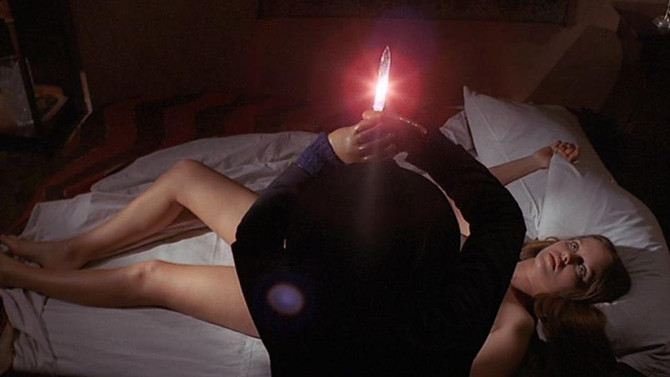
Web Sight
For those of you out there that are James Bond fans like I am, you will likely get a bit excited about this one. As I was doing some research on gialli a few weeks back, I stumbled upon 1971's The Black Belly of the Tarantula, directed by Paolo Cavara. Featuring an intriguing cast for Bond afficionados, Giancarlo Giannini (Rene Mathis in Casino Royale and Quantum of Solace), Claudine Auger (Domino in Thunderball), Barbara Bouchet (Moneypenny in the quirky 1967 version of Casino Royale) and Barbara Bach (Maj. Anya Amasova/Agent XXX in The Spy Who Loved Me) all star in this thriller, a unique cast ranging from the movies of Connery and Moore, to Craig and spoof spinoff. Oh, the horror, the horror: a sadistic, psychopathic serial killer, never truly seen (for the longest time, we only view his or her hands – always porting surgical gloves that make them look like plastic), is killing women by way of a most gruesome process. Utilizing acupuncture needles that are tainted with a poison that paralyses the target. . . the victims are poked in the back of the neck – still awake, eyes open wide in fear, they are unable to do anything as the murderer finishes them off in the most macabre ways.
Muzzle Tov
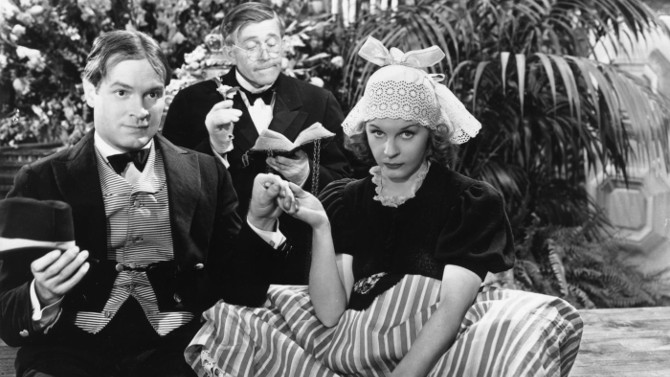
A rich, hypochondriac of a man, John Kidley (Bob Hope), haunted by a Black Widow (a murderous, marry-a-wealthy-husband-a-year type woman, not a spider), Juno Marko (Gale Sondergaard), flees her side, making his way to a beautiful health-resort-centred town called Bad Gaswasser, Switzerland, hoping that the hidden locale, nestled amongst the picturesque Alps, will help him with his supposed condition, and, more importantly, in avoiding the persistent dame – hence the 1939 film’s title, Never Say Die. Now, of course, the quote offered at the opening is spoken by Kidley, and it references his perceived awful luck. And, to be honest, Ms. Marko is quite the woman. . . having ditched her most recent beau (she witnessed him slipping and falling off the Matterhorn from mere inches behind him – wink wink, nudge nudge), Kidley is her next mark, and it does not take her long to track the wealthy gent down once again. Here is a piece of witty dialogue from the film, emphasizing their rather amusing predicament: