


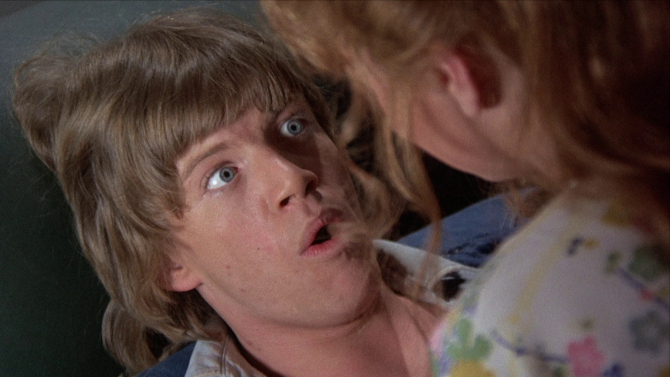
‘What Could Have Been’ is a continuing look into the reels of film history, analysing movies that could have been something special, but due to problems with script, production, budget, or any other type of issue, did not reach its full potential.
Timothy Lea: “It always took longer to clean the inside of the windows. . .”
If you had to guess what would be the top grossing British made film in Great Britain in 1974, thoughts would immediately go to the most recent James Bond adventure, The Man with the Golden Gun, or perhaps Roger Moore’s other successful feature of that year – Gold; then your mind might circulate to some of the popular comedy franchises of the time like Carry On (74’s being Carry On Dick), or On the Buses (though those were released in 1971, 72, and 73), but instead, it’s the lesser known outside the UK, Confessions of a Window Cleaner. . . which also spawned three sequels released the next three years – but more on those later.
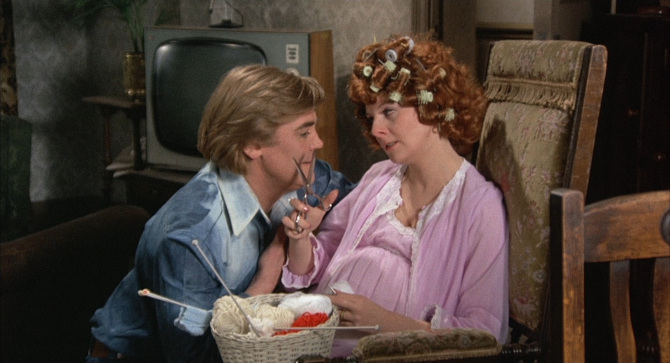
Exemplifying the power of the raunchy sex comedy at the time (you’d never see a big studio like Columbia finance a picture like this today), Confessions of a Window Cleaner, written and directed by Val Guest (and based on a run of novels written by Christopher Wood, who wrote two famous Bond novelizations in 1977 and 79), follows the awkward, clumsy, and insecure Timothy ‘Timmy’ Lea (Robin Askwith – looking a bit like a Mick Jagger type rocker), as he bumbles his way though his new window cleaning job with a cheerful stick-to-it-iveness. Also note that the narrative includes his voiceover from time to time.
Hired by his brother-in-law Sidney Noggett (Anthony Booth – father-in-law of former Prime Minister Tony Blair), he still lives with his stereotypical working class family, including his always bringing junk home father (Bill Maynard) and pregnant sister Rosie (Sheila White) – who is married to Sidney. Promptly discovering that he is rather lousy at his job (physical, slapstick humour abounds), he also finds his focus being equally as distracted by the lonely housewives who would like their own ‘cleaning’ included as part of the service.
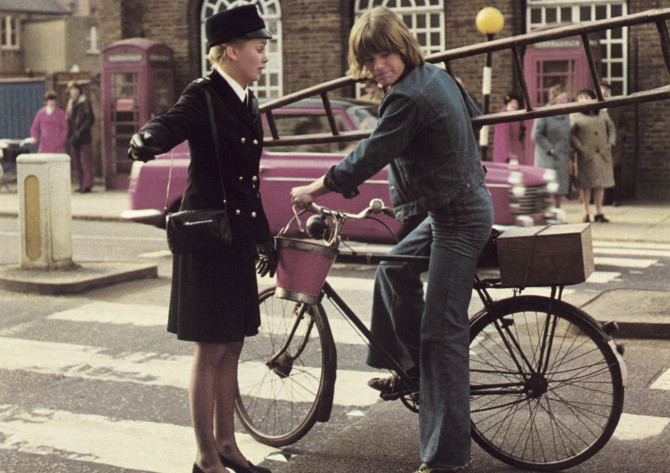
Getting in all sorts of sticky situations, funnily enough, he has little luck when bumping into copper Elizabeth Radlett (Linda Hayden) – the only woman seemingly immune to his goofy boyish charm. As he continues on with his house calls, he also tries to win over the beat cop. . . who comes from a rather staunch conservative family. Of course, his rather seedy family is terrified of having the law around their house as he starts to court her. What will come of their relationship? Could it lead to an engagement and future wedding, or are more hijinks in store instead? And, will the brothers-in-law lose their window cleaning contracts due to their poor performances?
Though by no means a gem, this silly, stupid nude tinged comedy brought audiences running to the theatres in 1974. A key moment in British cinema, this franchise never really translated to the rest of the world in the same way, and instead has become a niche cult comedy that exemplifies the appetite the British population had for these types of movies during the 70s – as the more permissible changes in culture saw these pictures become all the rage (despite reviews often being abysmal).
Below are quick blurbs on the three follow-ups:
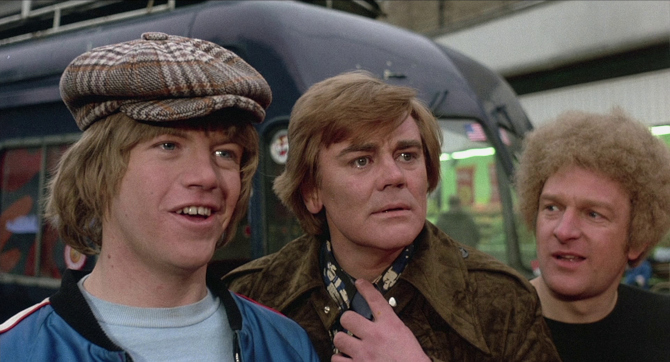
Confessions of a Pop Performer (1975), this time written by Christopher Wood himself and now directed by original executive producer Norman Cohen (Guest’s wife wouldn’t let him return to direct, as she objected to him being surrounded by scantily clad women all day), the story has Sidney coming up with the harebrained scheme of signing a rock group he thinks he has heard in a bar playing on the floor above (but actually hasn’t) to a contract – naming them Kipper.
After the drummer gets seriously injured, of course Timothy is forced to step in and join the band, with some of the younger fans misconstruing him as Mick Jagger himself, while most of the audience comes from Timothy’s parents elderly friends’ group (some are actually enthused that they can hear something again).
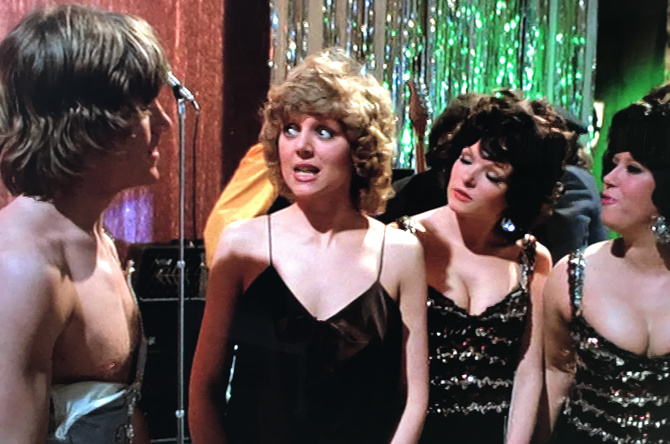
Of course, this time, his desire is Jill Brown (Carol Hawkins), a sophisticated music journalist who is more intrigued with elements more dynamic than Timothy. . . and somehow, through random happenstance and much luck, they are hired to play in front of the Queen and her corgis at a big event – wonder how that will go?
Another successful venture at the box office in the UK, perhaps one of the coolest things is that eagle-eyed viewers can spot Darth Vader himself – David Prowse, who is playing a driving instructor at the very end of the movie. To be fair, despite some awful reviews for the movie proper, the music in this one actually sounds half decent (and somewhat catchy), and, in a certain way, it makes more sense that there would be a craze over a 70s rock band rather than two lousy window cleaners.
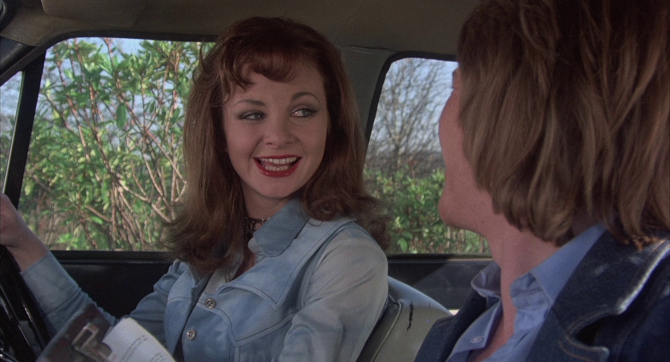
Followed up by another successful box office adventure, Confessions of a Driving Instructor (1976), once again written by Christopher Wood and directed by Norman Cohen, this story finds Sidney believing he has bought a high end driving school. . . only for the junky building sitting right next door to be the actual place he purchased.
With Timmy as his only other driving instructor and the office being managed by the distracting secretary Miss Slenderparts (Irene Handl), they better get things into ship shape pretty fast, as next doors Mr. Truscott (Windsor Davies), and his sniveling right hand man, Tony Bender (George Layton), are looking to put them out of business (or buy them out) in short order. The only problem, Truscott’s daughter and Bender’s love interest Mary (Lynda Bellingham), like almost every other woman, has a thing for Timmy.
As Timmy chats her up and helps her whenever he can, he also always talks up the fact he is an expert rugby player – when he clearly isn’t. Throw in some unexpected sexual performance pills from Denmark, a wild car chase, and that intensifying rivalry with Mary in the middle, and what could happen to bring things to a head?
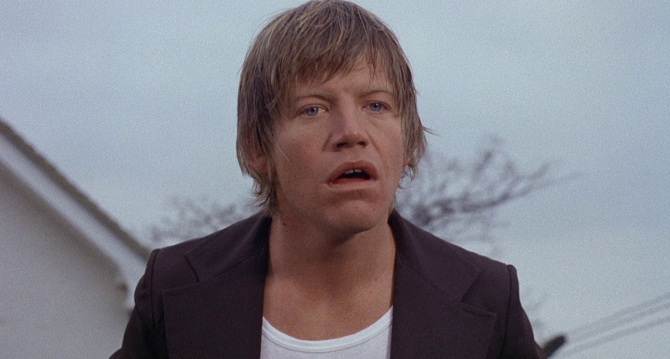
The final, Confessions from a Holiday Camp (1977), again with the same writer and director as the two previous entries, was the picture that brought the franchise to an end. Finally ‘failing to perform’ at the box office, when a competing studio announced that the Adventures of a Plumber’s Mate was to be released in 1978 (which was basically their idea for the fifth feature), Columbia pulled the plug instead.
Though none of these pictures were works of art, there were at least zany moments of dialogue and physical comedy that brought on some chuckles, but this one is clearly the least inspired; as Timmy has no single challenging love interest to compete for. . . while Sidney comes up with a staid beauty contest idea to keep his job that clearly he must have stolen from watching the much better Carry On Girls in 1973. They were clearly running out of women willing to play in these types of films too, as Linda Hayden, Timmy’s fiancée from the original, returns as a completely different French camp employee named Brigitte.
As Sidney desperately tries to appease the new resort owner and former prison warden Mr. Whitemonk (John Junkin), Timmy finds himself inundated with every lady in the camp who is desperate to win the beauty contest’s cash prize. . . and, for the first time, even Timmy seems to be losing his zest for the premise.
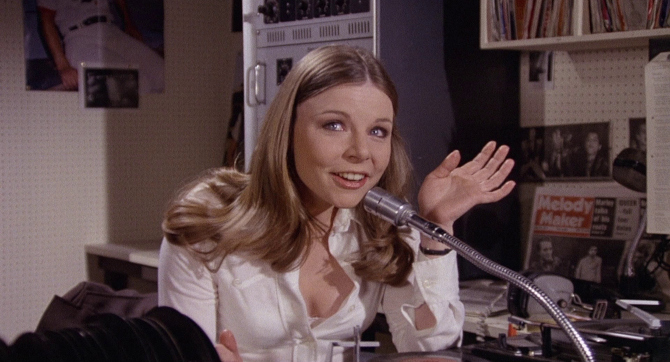
Though by no means meeting even a ‘good’ rating, the double entendres, one liners, sexual innuendo, and physical gags sometimes land, making these Confession features a unique blast from the past that provide viewers with a rather softly kinky view into a microcosm of a section of British society in the mid 70s. Making Robin Askwith a massive star at the time, despite these comedies being ripped to shreds by critics, audiences loved them, until the fourth and final film dipped, putting an end to the franchise before the Confessions of a Plumber’s Mate or the further planned sequel Confessions of a Private Soldier. With plenty pulled from the time this was made, you can see connections to British television of the era, the sounds of music pumping through the airwaves, the liberalization of the time with the youth movements that started in the 1960s, and so much more. So, if you’re in the mood for being ‘on the job’, take a chance with the many ‘ups and downs’ of these four features.