 Films That Matter
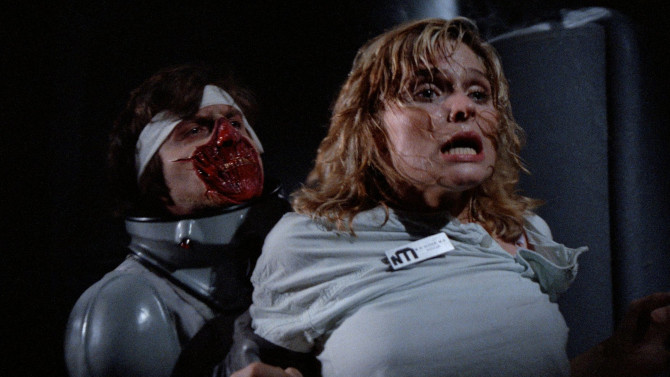
Missed the Bloody Cut: 2026 (Part 1)
The first Missed the Bloody Cut horror selection of this 2026, here are some more horror movies that did not meet my strict criteria (a rating of 7.0 or higher)... but are still entertaining films (horror fanatics may enjoy) that do not deserve to be shrugged off like a slow walking group of mindless creatures – and that are definitely worth a watch (just maybe not several re-watches).
-
Morally Bankrupt
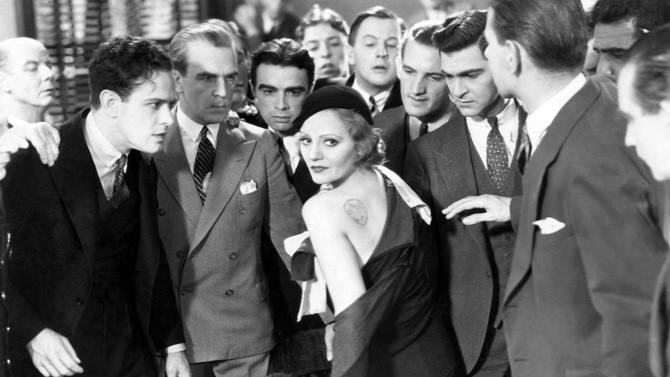
The CheatJanuary 12, 20181930's Hollywood films are rather intriguing. Though hit hard by the Great Depression (much like everywhere else), the escapism of movies still brought 60-75 million people into theatres each and every week (and, these numbers are for the worst times of the decade). The 30s also harkened in the era of the talkie – quickly putting an end to the silent film industry. The decade can also be split into two distinct periods: the five years before the Motion Picture Production Code (sometimes called the Hays Code) officially came into being (often referred to as the Pre-Code), and the five years after it was put into place – meaning that there was now a strict set of rules and regulations that were being strongly enforced. Both a curse and a blessing (many of the most talented directors found creative and visually clever ways to circumvent the Code – DeMille and Hitchcock are two that immediately come to mind), it did limit creative freedom in a major way, as sex, violence and language were severely censored – movies could no longer depict lacking morals (that is, unless the behaviour would be punished in the end).
-
Train Wreck
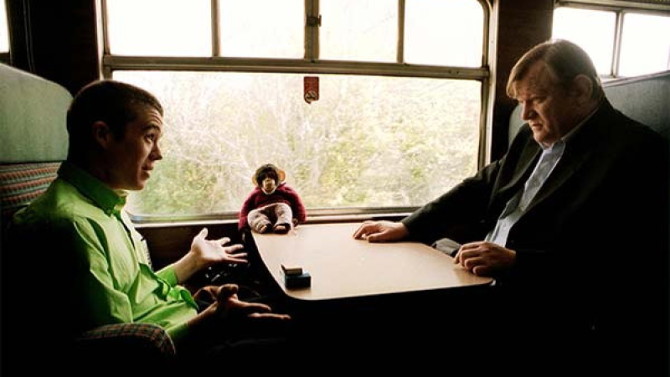
Six ShooterJanuary 9, 2018There are many actors and directors that I have long championed, one of which is filmmaker Martin McDonagh. More of a household name today than a few days ago, this past Sunday he took home both Best Screenplay and Best Motion Picture - Drama at the 2018 Golden Globes for his film Three Billboards Outside Ebbing, Missouri (the feature also won for Best Actress - Drama: Frances McDormand, and for Best Supporting Actor: Sam Rockwell). First and foremost a British/Irish playwright, McDonagh made his feature film debut in 2008 with the tragically under-seen In Bruges – a movie that will be reviewed on Filmizon.com in due course. This was followed by a 2012 American/British co-production, Seven Psychopaths, another intriguing film. His third is the award winner from Sunday. . . though many probably do not know that McDonagh won an Academy Award back in 2005 for Six Shooter, earning the golden figurine for Best Short Film, Live Action (his true first effort into the foray of film making).
-
Running Down a Dream
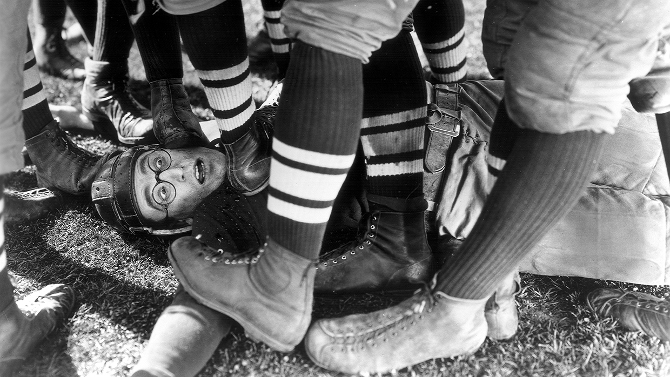
The FreshmanJanuary 7, 2018Setting out to film (firstly) the climactic football scene at the Rose Bowl (stadium) in Pasadena, California for his 1925 feature The Freshman, Harold Lloyd soon felt like he was lost – unable to sense the character and his feelings, not able to hit the right tone for his collegiate protagonist. Scrapping the work, he decided to return to Hollywood and shoot sequentially – a rarity for any motion picture. It was typical for Lloyd and his team to come up with the major set pieces first (a perfect example being the football sequence) – shooting it at the very beginning, but in this case, Lloyd felt like this format was better suited, as it would add depth and continuity as the actors grew into this very character driven story. Becoming a major spectacle (and Harold Lloyd’s highest grossing film), it spawned an immense number of college sports movie knock-offs that would dominate the theatre scene for the next several years (a prime example, Lloyd’s character is utterly inspired by a fictional college student found in a fake movie made up for this one titled “The College Hero” – two years later, The College Hero was released by Columbia Pictures). Following Lloyd’s Harold ‘Speedy’ Lamb (notice his nickname is the title of his 1928 New York set picture), the teen is heading off to Tate University – a school that is football crazy. While en route, he meets a shy, sweet hearted ingenue named Peggy (Jobyna Ralston) – timid love at first sight.
-

Fatal Femme
The VillainessJanuary 5, 2018Coming off like a combination of Oldboy, The Raid: Redemption, La Femme Nikita, Kill Bill, and the Jason Bourne franchise, 2017's The Villainess, a South Korean film co-written and directed by Byung-gil Jung, is an action packed adrenaline ride that carves out an interesting angle within the genre. Opening with a mostly first person action sequence, it is intensely claustrophobic, showing a supremely talented killing machine of a woman carving her way through a narrow hallway only to find herself in a room packed with another ominous group of villains. Setting the tone from the very beginning, the viewer quickly understands that there is a grace to the way the camera moves (a dynamic visual panache that is all the more impressive when you realize a good portion of it is done without computer generated effects) – though it is a very bloody flair to be sure.
-
Can’t Buy Me Love
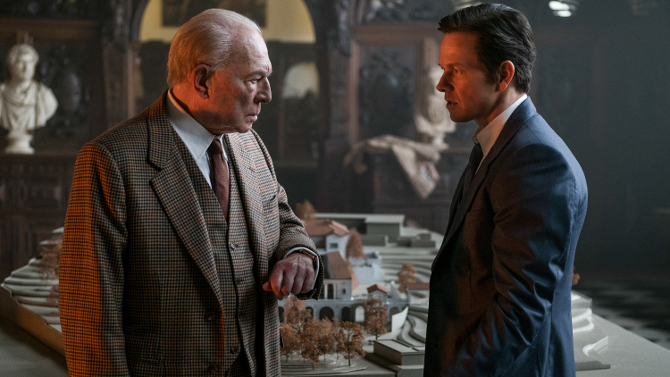
All the Money in the WorldJanuary 2, 2018With a tale that almost sounds like it is right out of the movies, All the Money in the World, Ridley Scott’s 2017 buzzing biopic on the Getty abduction of 1973, was hit hard when star Kevin Spacey got wrapped up in the ever-growing series of sexual assault allegations. . . about one month before the film’s release. In comes Scott’s original choice, acting icon Christopher Plummer, who, with the help of a few returning actors, re-shot the entire role in only four short days – thrusting him into the Best Supporting Actor race at this year’s Golden Globes. . . and likely the Academy Awards. Despite all of the headlines that have pushed people’s attention away from the motion picture itself, it is an engaging piece of cinema. The plot revolves around 16 year old J.P. “Paul” Getty III (Charlie Plummer), the grandson of eccentric billionaire oil baron J. Paul Getty (Christopher Plummer), who is abducted late one night off of the streets of Rome.
-
How to Stave Off Your Midday Hunger
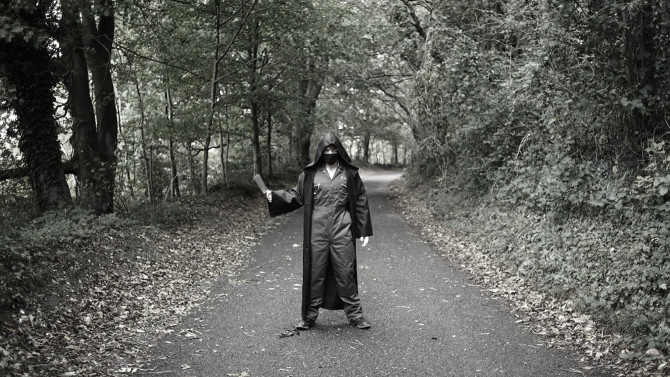
HangryDecember 19, 2017Hangry: bad tempered or irritable as a result of hunger; also the title of the most recent short film from UK Indie writer/director Daniel Harding. Fusing classic horror elements with a modern twist (and adding a few dashes of macabre humour), a posh British couple, Clarey (Sophie Dearlove) and Boyd (Neil James), are taking a trip away from the stresses of their big city life, though, along the way, get lost in the countryside. Both a bit peckish, a surly, ornery attitude begins to seep into their conversation – I am quite sure we have all been there before.