 Films That Matter
Pit Stop
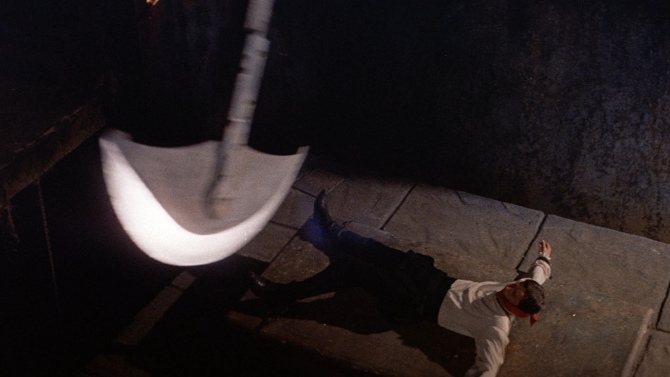
After Roger Corman’s major success with House of Usher (1960), he promptly turned to adapting another Edgar Allan Poe story to start a franchise of sorts, with The Pit and the Pendulum (1961) being an even bigger win... with it making over two million dollars on a modest budget of only three hundred thousand. Getting Vincent Price (House of Wax; Laura) back after House of Usher’s critical and commercial winnings, this time he plays Nicholas Medina, a tortured soul living in a tomb of a castle with his servants after his gorgeous wife Elizabeth (Barbara Steele – Black Sunday; The Horrible Dr. Hichcock) has seemingly died of a massive heart attack brought on by fright. Feeling as if he is truly cursed, he resides in the same place that his sadistic Spanish Inquisition father once tortured his victims, where his mother and uncle died, and now where his wife has met her untimely end. It has become so bad that even Nicholas’ sister Catherine (Luana Anders) has returned home to try and ease his sorrows.
-
Pit Stop
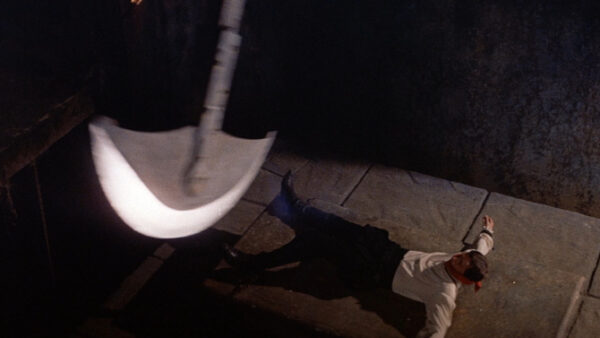
The Pit and the PendulumOctober 1, 2026After Roger Corman’s major success with House of Usher (1960), he promptly turned to adapting another Edgar Allan Poe story to start a franchise of sorts, with The Pit and the Pendulum (1961) being an even bigger win... with it making over two million dollars on a modest budget of only three hundred thousand. Getting Vincent Price (House of Wax; Laura) back after House of Usher’s critical and commercial winnings, this time he plays Nicholas Medina, a tortured soul living in a tomb of a castle with his servants after his gorgeous wife Elizabeth (Barbara Steele – Black Sunday; The Horrible Dr. Hichcock) has seemingly died of a massive heart attack brought on by fright. Feeling as if he is truly cursed, he resides in the same place that his sadistic Spanish Inquisition father once tortured his victims, where his mother and uncle died, and now where his wife has met her untimely end. It has become so bad that even Nicholas’ sister Catherine (Luana Anders) has returned home to try and ease his sorrows.
-
Hoodoo Voodoo
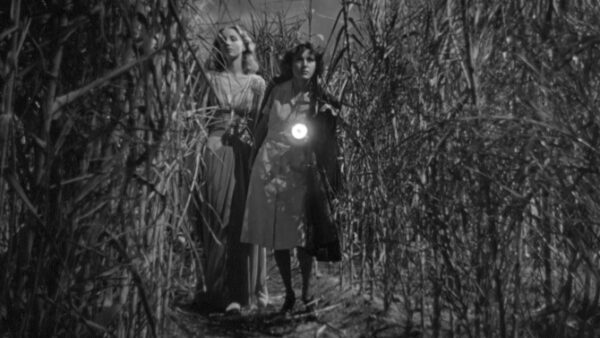
I Walked with a ZombieSeptember 24, 2026In 1942, RKO set up Val Newton as the head of their new horror division to produce low budget B movies... he promptly released Cat People with Jacques Tourneur directing. A massive critical and financial success, the very next year he reunited his team to release I Walked with a Zombie (1943). This time bringing in the successful Universal The Wolf Man (1941) writer Curt Siodmak to come up with the premise (asked to loosely base it upon Charlotte Brontë’s “Jane Eyre” and Inez Wallace’s original source material article), it was then reworked a bit by Newton and Ardel Wray into the finished product.
-
Vamp Camp
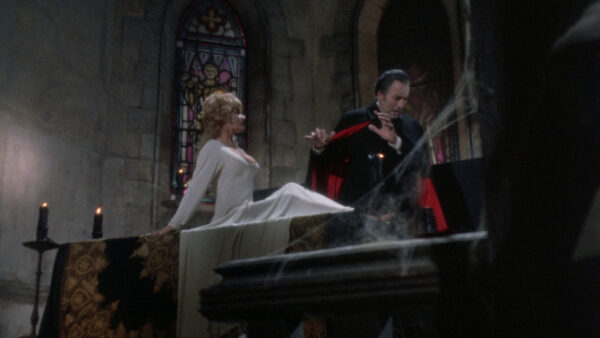
Dracula A.D. 1972September 22, 2026If you know anything about your Hammer horror vampire films, you’ll recall that it is a staple for them to be set during the very gothic themed nineteenth century... that is, except for when Alan Gibson directed Dracula A.D. 1972, which, not surprisingly, was released in 1972, and changed the game. An attempted modernization of the famed franchise after many long years – Christopher Lee first donned the pitch black cape all the way back in 1958 in Dracula... now fourteen years later, this was Lee’s sixth appearance as the pesky vampire... his final appearance coming just one year later in The Satanic Rites of Dracula (the only other Hammer feature set during these modern times).
-
Velvet Fog
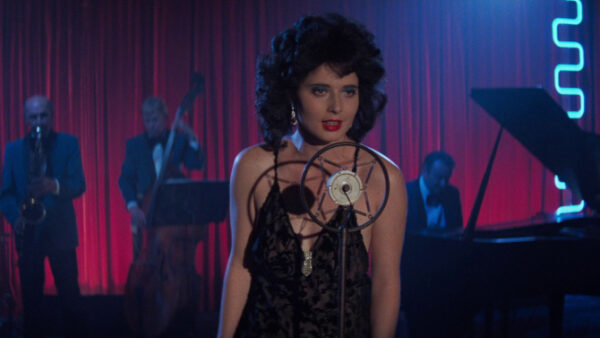
Blue VelvetSeptember 1, 2026Taking years as he reveled in the eccentric, outlandish neo-noir mystery thriller landscape he was writing, David Lynch then went on to direct his violent, erotic, drug infused crime caper, calling it Blue Velvet (1986) – with the 1963 song of the same name sung by Bobby Vinton being a big influence on the picture. Though set in the time it was made, the suburban Lumberton feels like it is stuck in the 1950s. Airing a vibe that is more than a touch off-putting, there is no semblance of things being in the right – all seemingly out of time and place. The billboards resemble another era, most of the cars are thirty years old, and lounge singers are popular again.
-
Hammer Horror?
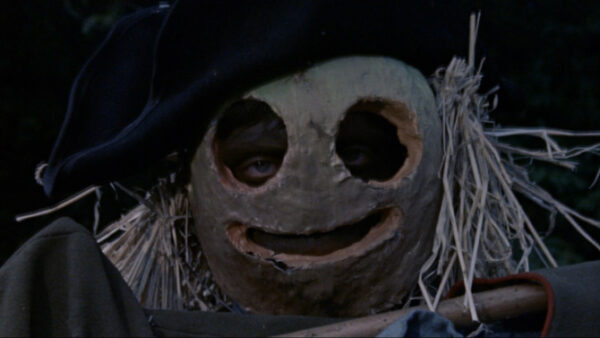
Night CreaturesAugust 24, 2026Leaning heavily into advertising their latest picture as a horror film, Hammer promptly used its trailers and advertising posters to highlight those spooky aspects, going so far as to name it Night Creatures (1962) for the United States market, while in England, they went with the more accurate title of Captain Clegg – focusing on the swashbuckling action adventure elements that revolve around pirates, smugglers, and the Royal Navy. Set in the eighteenth century, the story follows the supposed death of the infamous titular pirate Captain Clegg in 1776, who has been hanged to death by the Royal Navy for his long list of crimes... but not before Clegg maroons one of his men (Milton Reid) and cuts out his tongue for assaulting his beloved wife.
-
Manic Depression
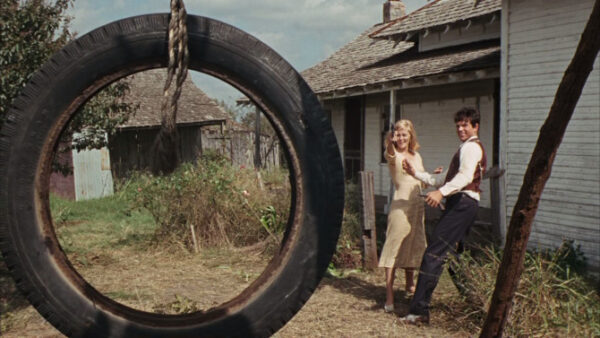
Bonnie and ClydeAugust 18, 2026One of the major films to challenge the Hays Code before it finally failed in 1968 (to be replaced with our modern rating system) was also one of the first to usher in what is called New Hollywood (putting an end to the traditional Hollywood System), namely, the biographical crime drama Bonnie and Clyde (1967), directed by Arthur Penn. Based upon the real life bank robbers, Bonnie Parker (Faye Dunaway) is a bored amateur poet and waitress in her early twenties looking for any adventure to come her way during the crippling Great Depression... Clyde Barrow (Warren Beatty – McCabe & Mrs. Miller) just so happens to be a recently released convict that she spots and becomes infatuated with.