 Films That Matter
Pit Stop
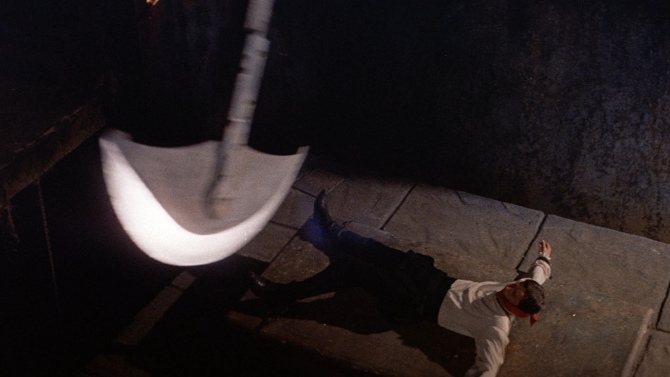
After Roger Corman’s major success with House of Usher (1960), he promptly turned to adapting another Edgar Allan Poe story to start a franchise of sorts, with The Pit and the Pendulum (1961) being an even bigger win... with it making over two million dollars on a modest budget of only three hundred thousand. Getting Vincent Price (House of Wax; Laura) back after House of Usher’s critical and commercial winnings, this time he plays Nicholas Medina, a tortured soul living in a tomb of a castle with his servants after his gorgeous wife Elizabeth (Barbara Steele – Black Sunday; The Horrible Dr. Hichcock) has seemingly died of a massive heart attack brought on by fright. Feeling as if he is truly cursed, he resides in the same place that his sadistic Spanish Inquisition father once tortured his victims, where his mother and uncle died, and now where his wife has met her untimely end. It has become so bad that even Nicholas’ sister Catherine (Luana Anders) has returned home to try and ease his sorrows.
-
Location, Location: Carnival of Souls & Carry On Girls
 Carnival of SoulsCarry on GirlsSeptember 12, 2025
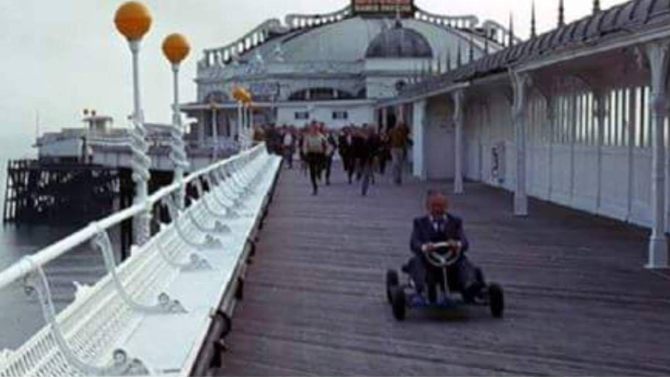
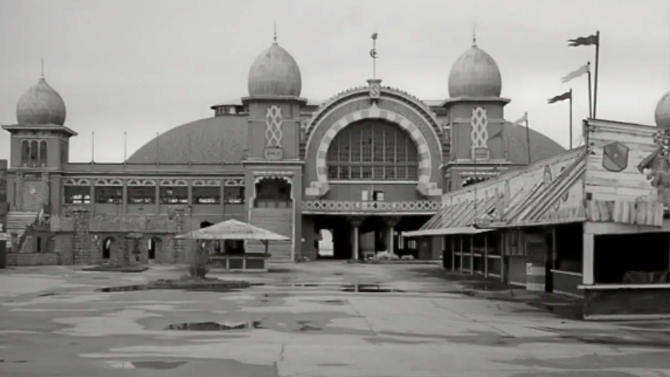
As someone who loves history, there is nothing better than delving into movies from the past. Not only are they a microcosm of society at the time they were made, but there is an added benefit if they were filmed on location somewhere rather unique, that may or may not have changed drastically over the years since shooting. Having recently watched the slapstick British comedy Carry On Girls (1973), it brought me back to another very different film from the past, the low budget horror cult classic Carnival of Souls (1962) – for a very specific reason. So, instead of doing a typical review of the features, we will take a look at two historic locations featured in both of these pictures.
-
To Paris and Back Again
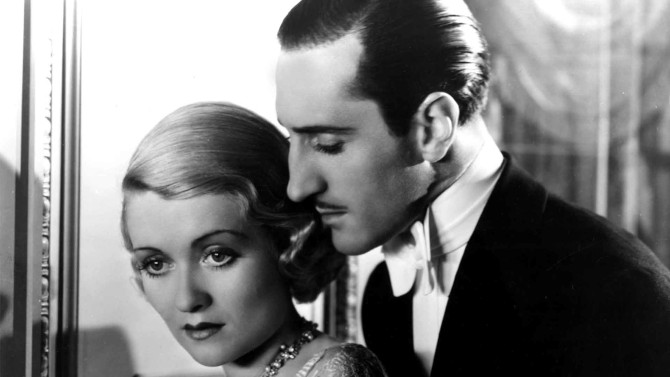
Sin Takes a HolidayJune 22, 2025No one in their right mind would ever cast one of the biggest young starlets of the 1930s – Constance Bennett, to play an ordinary plain Jane secretary in a movie. . . but, of course, that’s exactly what Hollywood decided to do in 1930 with the Pre-Code romantic dramedy Sin Takes a Holiday, directed by Paul L. Stein. Bennett plays Sylvia Brenner, a near constant on-call secretary working late nights for a snooty playboy divorce lawyer named Gaylord Stanton (Kenneth MacKenna). Liking nothing better than playing the field with both married and unmarried women (though it seems like he prefers the former better), and then having some fun joking around with his group of friends, including the somehow even snootier barrister Reggie Durant (Basil Rathbone – this at the end of his matinee idol first run... making it big five year later... add another four years and he’d take on his most famous role of Sherlock Holmes), this lifestyle soon backfires on him after a divorcing dame client, Grace Lawrence (Rita La Roy), is looking for a proposal from him as she starts her immediate rebound.
-
Safety First
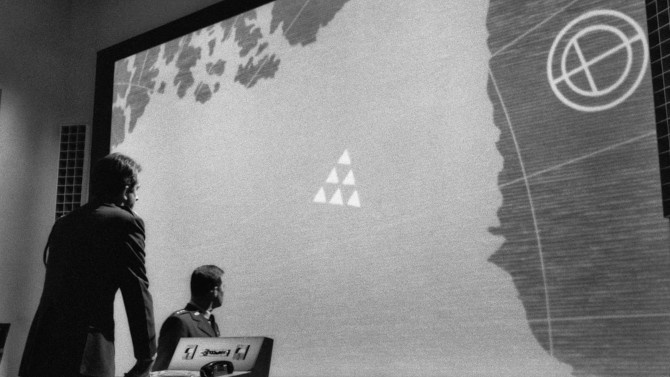
Fail SafeMarch 2, 2025Like a severe and utterly serious version of Stanley Kubrick’s 1964 satirical dark comedy Dr. Strangelove or: How I Learned to Stop Worrying and Love the Bomb, you would think that Fail Safe would have been the original release in theatres that was then later spoofed, yet that is not the case. Released approximately six months later in the same year, as you might imagine, it led to very poor returns at the box office – dare I say it (as the film deals with this subject matter)... it was a bomb! Despite that, over time, it has become a bonafide classic. Based upon Eugene Burdick’s 1962 novel of the same name and directed by Sidney Lumet (Dog Day Afternoon), he introduces us to our main players by way of little vignettes.
-
Plights, Camera, Action
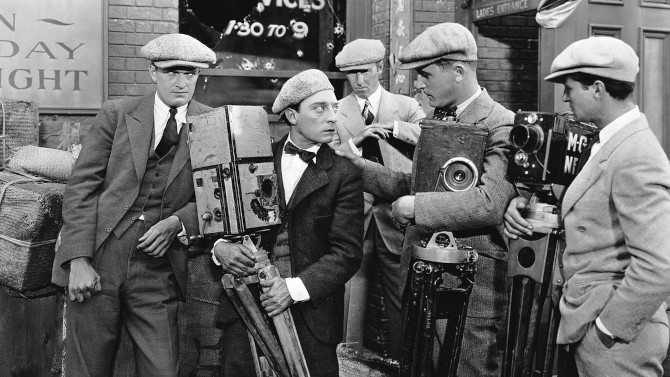
The CameramanFebruary 22, 2025Often deemed to be the last classic film made by the great Buster Keaton, The Cameraman (1928) was the final time the silent legend would have anything close to full creative control over one of his own features... as he folded his independent studio to sign with Metro-Goldwyn-Mayer (MGM) – who promptly made him their third highest paid star. Though his future would soon turn very bleak, this first film with the new studio was his own idea.
-
Diabolical Danger
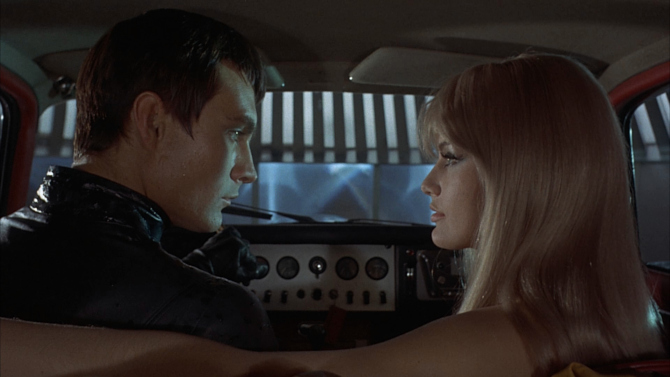
Danger: DiabolikJanuary 24, 2025Transporting its Italian comic book roots to the big screen, Danger: Diabolik (1968), directed by Mario Bava (Blood and Black Lace) and produced by powerhouse Dino De Laurentiis (Barbarella), plays like a vivid three dimensional escapade that fuses elements of swinging sixties spy chic, an early take on the anti-hero, a greedy twist on the Robin Hood tales of yore, and splashes of kitschy Batman (that is, the television series), all coming together for plenty of frivolous fun. The titular Diabolik (John Phillip Law) is a sort of master thief, a black spandex wearing, Jaguar E-type driving genius who thrives on stealing money from an unnamed European government – which, at best, is incompetent, at worst, corrupt users of their taxpaying base. Though, unlike Robin Hood, he keeps the oodles of cash for himself and his helpful mini-skirt wearing girlfriend Eva Kant (Marisa Mell).
-
Star Pick with Kurt Angle
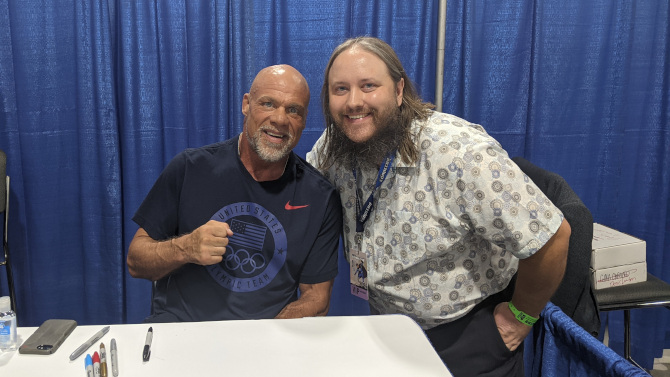 The Right AngleRockyJanuary 1, 2025
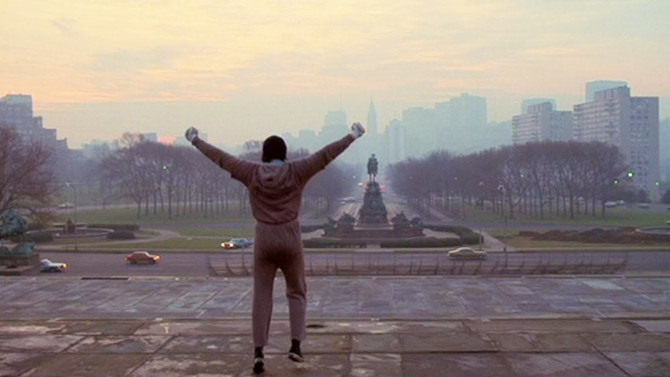
It was an absolute pleasure to meet and get a quick interview with the great Kurt Angle this past summer in Ottawa. First making a name for himself on the amateur wrestling circuit, it all culminated with a gold medal win (with a broken neck, no less) at the 1996 Summer Olympics held in Atlanta, Georgia. The ultimate achievement for most amateur athletes, this was not the end for Angle, but only the beginning. Just a mere two years later, he had signed on to the World Wrestling Federation (now the WWE or World Wresting Entertainment), a leap that would soon find him taking professional wrestling by storm. Making his television debut in November of 1999, he was a natural, not only at the wrestling, but also on the mike.