 Films That Matter
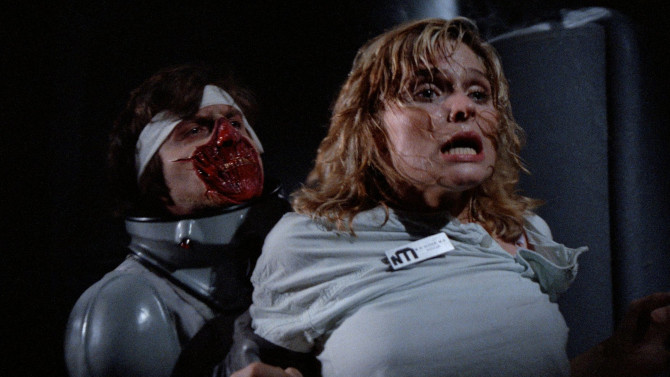
Missed the Bloody Cut: 2026 (Part 1)
The first Missed the Bloody Cut horror selection of this 2026, here are some more horror movies that did not meet my strict criteria (a rating of 7.0 or higher)... but are still entertaining films (horror fanatics may enjoy) that do not deserve to be shrugged off like a slow walking group of mindless creatures – and that are definitely worth a watch (just maybe not several re-watches).
-
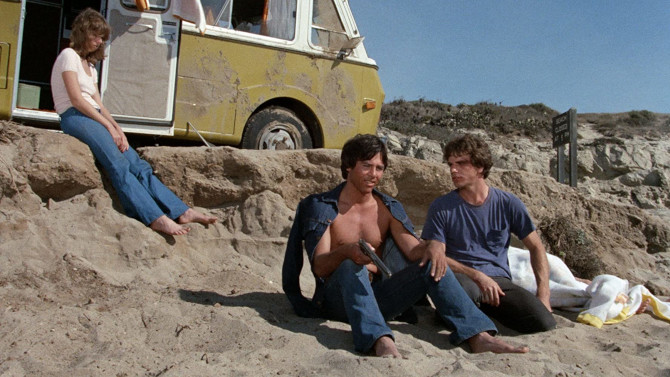
What Could Have Been: Best Friends
August 3, 2020A very Indie film that feeds off of both the buddy film craze of the time and the concluding notes of the Vietnam war, 1975's Best Friends, written by Arnold Somkin and directed by Noel Nosseck, is exactly as it sounds, that is, until it isn’t. Jesse (Richard Hatch) and Pat (Doug Chapin) have been best friends for years. Frick to the other’s Frack, they spend all of their time together. . . going as far as heading off to war when they are of age. Now returning from Vietnam, Jesse has set up a special surprise for his bestie – having both of their fiancées join them for an RV road trip all the way to California.
-
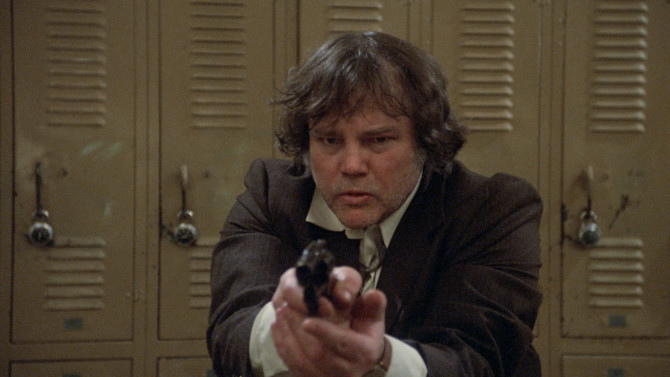
What Could Have Been: Wacko
July 27, 2020Eighteen years before Scary Movie ruthlessly parodied countless horror tropes (leading to four sequels that varied from hilarious to unwatchable), there was an original spoof film that prodded at the intricacies of the horror genre, 1982's Wacko, directed by Greydon Clark. In a way comparable to Mel Brooks’ High Anxiety (I know what you’re thinking – how?), Brooks and his team fell into the trap of spending more time trying to honour and satirize Alfred Hitchcock’s motion pictures instead of forming a workably entertaining story. Similarly, the most fun you’ll have watching this disjointed effort is looking for the references to other horror movies – and less so the product as a whole.
-
What Could Have Been: My Wife’s Relations
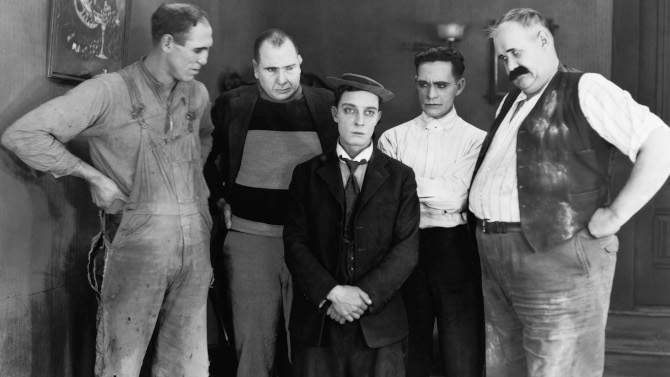
July 12, 2020Opening in a way only a Buster Keaton short film seems to be able to, an accidental confrontation between a mailman and the main character (leading to a letter, by chance, falling into the hands of the man, as well as a broken pane of glass as a result of the postal worker’s anger), followed by another clash between the always in the wrong place protagonist and a bullish woman – who assumes the diminutive man must have done the damage to the window. . . then throw in a Polish priest (who doesn’t speak English) making his own assumptions, and somehow, Keaton becomes Husband, and this woman, played by Kate Price, becomes Wife, in 1922's My Wife’s Relations, written and directed by both Buster Keaton and Edward F. Cline.
-
What Could Have Been: Hell Riders
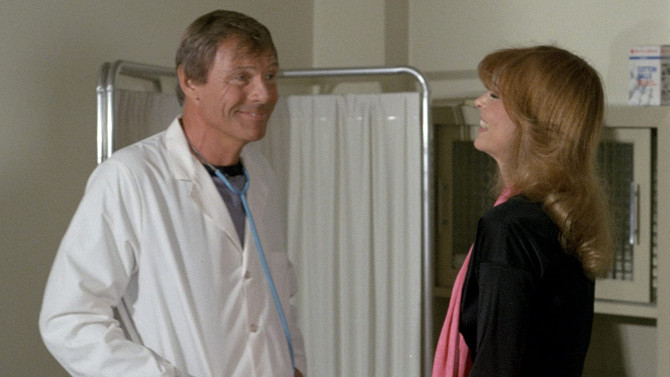
May 22, 2020Do you know what you get when you cross Tina Louise and Adam West? For anyone who said Ginger Batman, you would be completely wrong. You’ve actually somehow found your way to the 1984, below B exploitation action movie Hell Riders, directed by James Bryan. An entertainingly bad western-style action movie missing any of the class of a Billy Jack (and a film like that didn’t have a ton of class), the narrative follows traveller Claire Delaney (Tina Louise), a woman who is having a rather difficult time with her clunker of an automobile.
-
What Could Have Been: The Rhythm Section
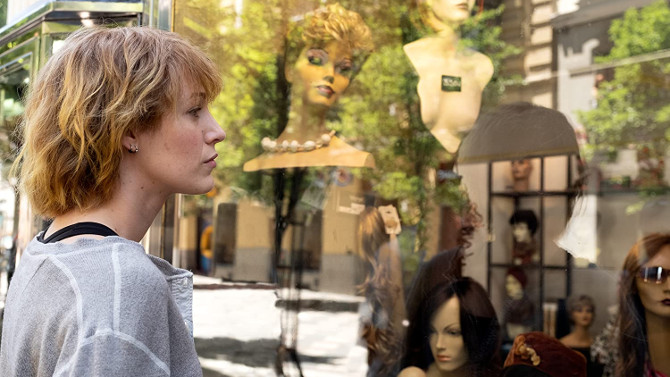
May 19, 2020When you see the names Michael G. Wilson and Barbara Broccoli, you almost inevitably know that you are in for a James Bond film. The two longtime producers of the franchise (and children of original mastermind Albert R. “Cubby” Broccoli), have been working on these projects since the Timothy Dalton era. With closure now coming to the Daniel Craig era – his final Bond feature, No Time to Die, is slated for a November release, and talk has turned to who will be next to play the super spy. Ranging from Tom Hardy and Tom Hiddleston, to excited chants for Idris Elba to become the first black Bond, there have even been some people saying that it is the right time for the first female Bond. Dividing fans, purists (like myself) are not overly fond of the idea, while some ‘perhaps’ more modern leaning viewers love the idea.
-
Top 25 Films of the Decade: 2010s
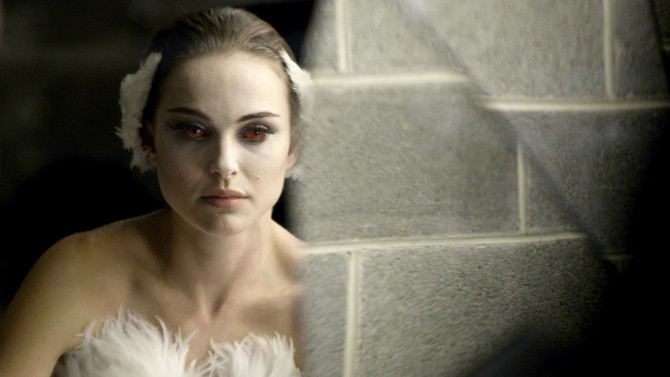
May 15, 2020I’ve been sitting on this ‘25 Films of the Decade’ list since the New Year. . . tinkering with it (crossing this one off and adding that one) – but, if I wait any longer, I’ll find myself in need of creating a new list for another decade. So, without further ado, here is this long awaited list (that no one even knew was coming). . . with a short description as to why each film made the cut.