 Films That Matter
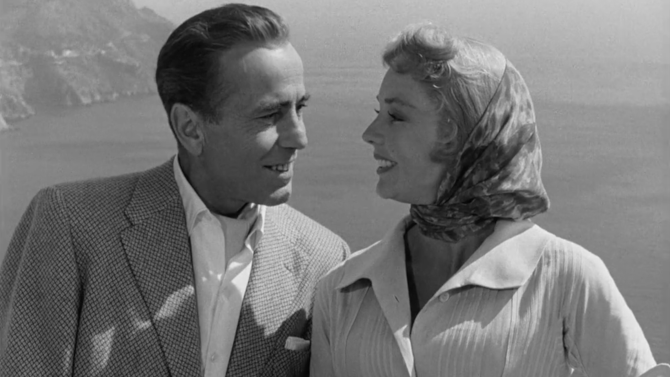
Between the Devil and the Deep Blue Sea
What would seemingly have been a massive hit crime film with an utterly impressive cast, Beat the Devil (1953) instead became a most bizarre experiment. With unhappy director John Huston having thrown the script out the window, he brought in the legendary Truman Capote to then help him co-write the story based upon British journalist Claud Cockburn’s novel of the same name at the very last minute. With a cast already assembled in Italy, names like Humphrey Bogart, Jennifer Jones, Gina Lollobrigida (in her first English language movie), Peter Lorre and others were simply sitting there and waiting to get started.
-
Bigger, Fatter, and Oh So Greek
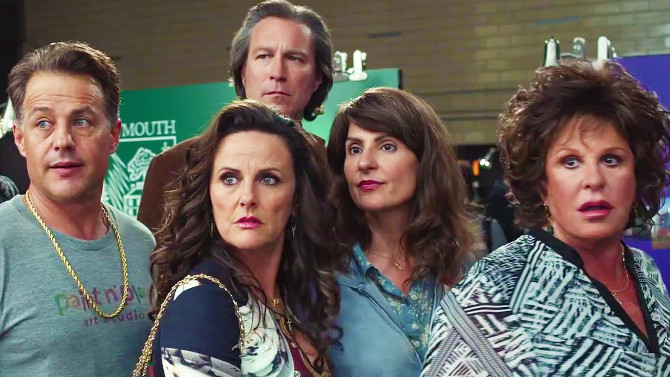
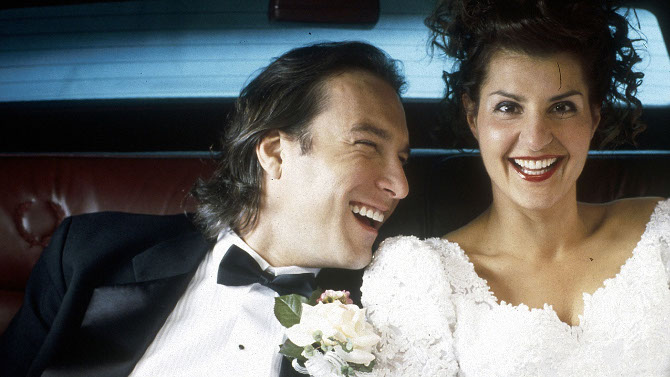 My Big Fat Greek WeddingMy Big Fat Greek Wedding 2April 19, 2016
Back in 2002, My Big Fat Greek Wedding hit the world by storm. . . and when all was said and done, it became the top grossing romantic comedy of all-time (without ever being number one at the box office). It told the story of an intensely smothering yet loving Greek family living in Chicago by way of our lead and voice over narrator Toula Portokalos (Nia Vardalos – who wrote the story and got an Academy Award nomination for her effort). The plain and slightly nerdy woman, who works at her parents’ restaurant and cannot seem to find love, sets us up for a feel good story that combines the concept of finding love in the most unexpected places with a positive spin on Greek-American stereotypes that hit right on the mark.
-
Two Timeless Classics from Buster Keaton
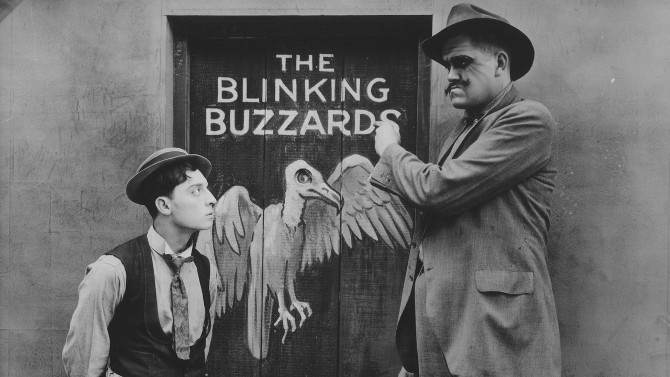
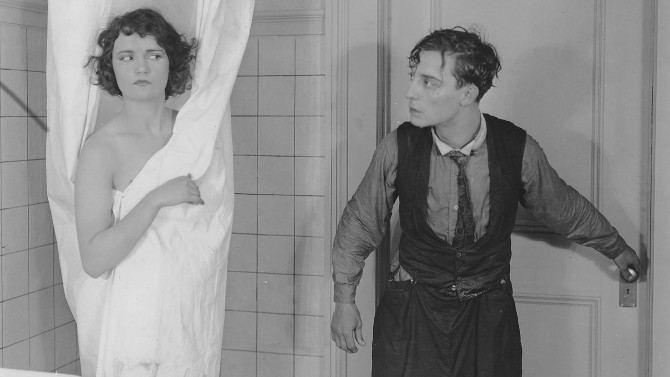 One WeekThe 'High Sign'April 15, 2016
The triumvirate of silent era comedians, in no particular order, are as follows: the ever famous Charlie Chaplin, the oft forgotten Harold Lloyd and ‘The Great Stone Face’ Buster Keaton. As I have already reviewed a film of Lloyd’s and several of Chaplin’s, I thought it would be a good time to visit some of the work of Keaton’s acrobatic and stoic-faced silent era screen personas. To change things up a tad, I also thought it would be fun to look to some of his earlier short films instead of his more iconic full length features like The General.
-
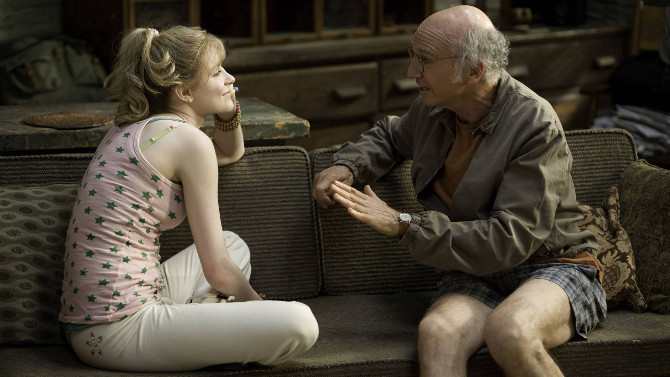
Larry David Playing Larry David Playing Woody Allen
Whatever WorksApril 12, 2016Chance, luck and fate are themes that are often examined in a plethora of genres. One director who analyses these topics in interesting ways is the always entertaining Woody Allen. Many of his recent motion pictures, including Match Point, have scrutinized these random and inscrutable aspects of life: with the phrase "I’d rather be lucky than good" being one of the observations found in the above stated film. Another of his movies, this one more comedic, that tackles these topics is the lesser known 2009 flick Whatever Works.
-
Scare Up Some Laughs
 Hold That GhostAbbott and Costello Meet FrankensteinApril 8, 2016
There are many classic comedians that are still honoured and remembered fondly today. People like the Marx Brothers, the Three Stooges, Charlie Chaplin and Buster Keaton are highly regarded funny men, yet the comedy team of Bud Abbott and Lou Costello are, in my opinion, less quickly thought of than those mentioned above. Despite this, many of their films, which include a mixture of memorable physical comedy and witty dialogue, still hit the funny bone today. Two of my favourites mix comedy with the horror genre: 1941's Hold That Ghost and 1948's Bud Abbott and Lou Costello Meet Frankenstein.
-

Batter Up
Rookie of the YearMarch 20, 2016The fantasies that flow within a child’s mind are something special that I believe most people lose as they get older (when doubt, reality and logic come into play). Kids have the innate ability to dream about being a professional athlete, a space cowboy or any other bizarre profession (that would baffle the adult mind). The 1993 family sports film Rookie of the Year captures this unbelievable concept of a childhood wish becoming amazing reality.
-

Like a Fine Wine
Arsenic and Old LaceJanuary 22, 2016It is usually quite easy to spot a film that is based on a stage play, as the movie is generally set in one, never-changing location. Alfred Hitchcock’s Rope and Gene Saks’ The Odd Couple are just two examples of iconic films that originally came from the stage, and the same can be said for the movie being reviewed here today – the 1944 Frank Capra black comedy Arsenic and Old Lace.