 Films That Matter
Between the Devil and the Deep Blue Sea
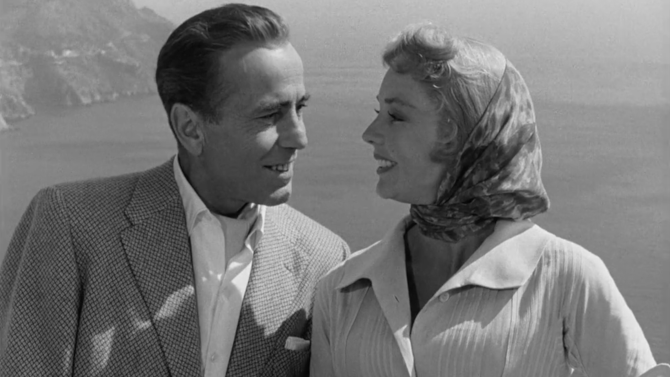
What would seemingly have been a massive hit crime film with an utterly impressive cast, Beat the Devil (1953) instead became a most bizarre experiment. With unhappy director John Huston having thrown the script out the window, he brought in the legendary Truman Capote to then help him co-write the story based upon British journalist Claud Cockburn’s novel of the same name at the very last minute. With a cast already assembled in Italy, names like Humphrey Bogart, Jennifer Jones, Gina Lollobrigida (in her first English language movie), Peter Lorre and others were simply sitting there and waiting to get started.
-
Cool Runnings Warms the Heart
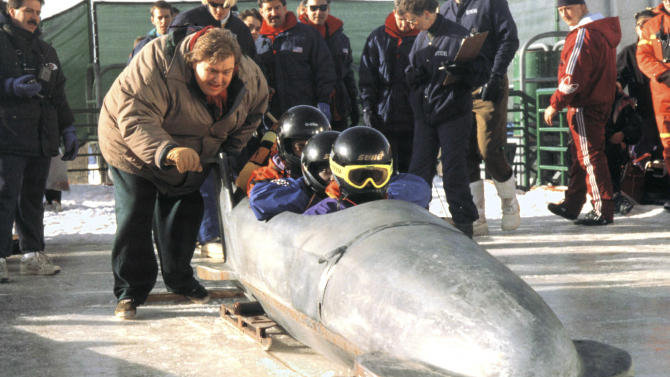
Cool RunningsJanuary 12, 2016The phrase "based on true events" is used a lot in films these days, but as we know, it is a very loose term. Though there are kernels of truth in most of these movies, it is usually just an idea that captures the screenwriters’ imagination which is then turned into his or her own fictionalized version of history. One movie that exemplifies this is the Jon Turteltaub (National Treasure, Last Vegas) Disney flick Cool Runnings.
-
Star Pick with Nathan Andrew Jacobs
 Sometimes Less is MoreRushmoreDecember 30, 2015
Nathan Andrew Jacobs, the writer/director of the independent film Killing Poe, spoke to me at the St. Lawrence International Film Festival back in October. According to him, his film, which built up an unbelievable buzz over the four day festival, has been influenced by the work of Wes Anderson. He mentioned two of Anderson’s movies – The Royal Tenenbaums and Rushmore as being his favourites, and the latter will be reviewed here today.
-

Frankly Speaking, See This Great Comedy
Frank and CindyDecember 19, 2015The closing picture of the St. Lawrence International Film Festival was G.J. Echternkamp’s Frank and Cindy; and it may have one of the more unusual pre-production tales to come out of Hollywood in recent history.
-
Star Pick with Peter MacKay
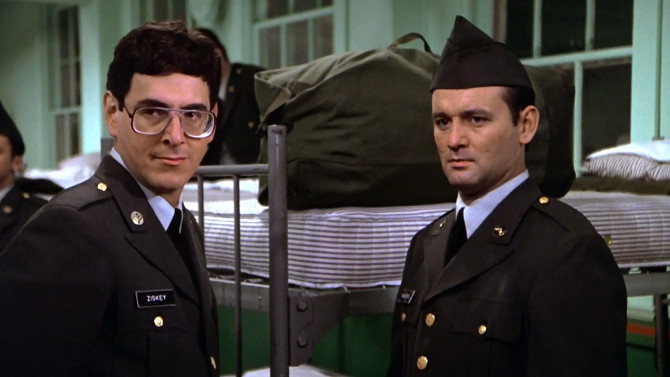
 Stripes a Film Comedy ClassicStripesSeptember 17, 2014
First off, Minister of Justice and Attorney General of Canada, The Honourable Peter MacKay, spoke to me about his love of film. He had two favourite movies and the first will be featured here today. It is the classic 1981 war comedy Stripes. MacKay was utterly impressed by the amazing improv that went into the film (especially from Bill Murray and John Candy) and spoke of the immense laughs it brought out of him every time he watched it. He also mentioned that the movie means more to him now that he works with the armed forces.
-
You’re Alright With Caddyshack
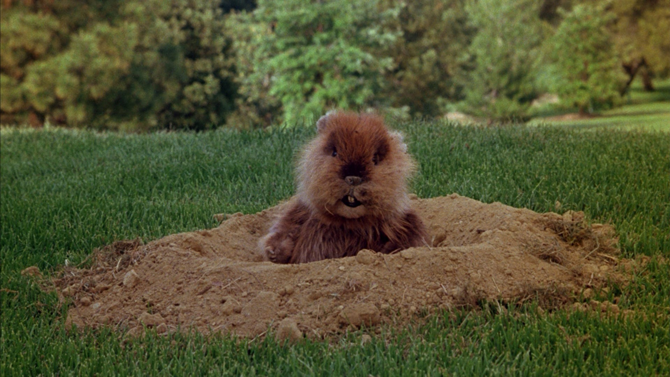
CaddyshackApril 13, 2014I think it is finally safe to say that spring is in the air. For me, this time of year brings to mind two things in the realm of sports: the NHL playoffs and the beginning of the golf season. I was lucky enough to run into John Lu at a Montreal Canadiens game recently and we started to talk movies. Lu, who reports on all things sports in Montreal, Habs and beyond, for TSN, was quick to name a classic sports film – Caddyshack, as his favourite comedy of all-time. For him, it was the superb cast and their talents at improvising that placed this movie a notch above the rest.
-
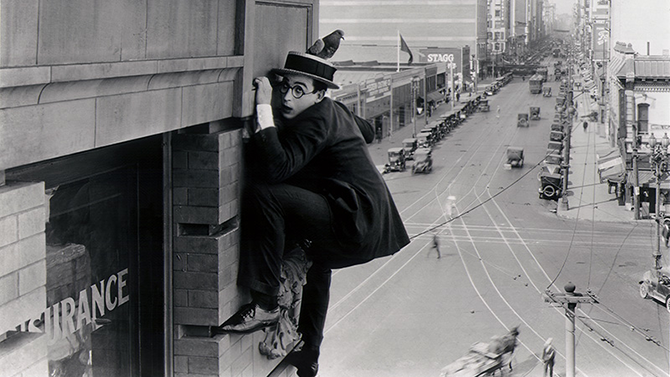
Safety Last! Talent First
Safety Last!January 14, 2014This week I’m bringing us back ninety-one years to 1923. The silent era was dominated by a few comic juggernauts. Even to this day, the names of Charlie Chaplin and Buster Keaton are synonymous with their great silent films featuring brilliant physical comedy. One name that has almost been lost to time though is Harold Lloyd, who completed the triumvirate of powerhouse comedians in the 1920's.