 Films That Matter
Singing the Blues
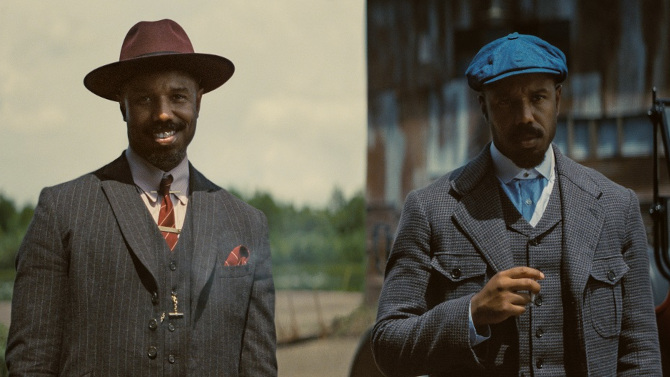
It is not too often that a mid or post-credit sequence leaves much of an impact as things come to a close. Usually meant to add a few final jokes to a comedy (think Airplance! or Old School), show some silly bloopers, or tease for a future film (Marvel has thrived thanks to these hints pointing towards coming storylines and movies), a rare example of something having a true impact on a narrative is Ryan Coogler’s period horror film Sinners (2025). A most dynamic feature melding many intriguing elements, the first thing that will be noticed is the time and setting – Clarksdale, Mississippi during the Great Depression (specifically 1932). Following twin brothers ‘Smoke’ and ‘Stack’ Moore (both played by Michael B. Jordan), and to a slightly lesser extent their cousin Sammie...
-
Location, Location: Carnival of Souls & Carry On Girls
 Carnival of SoulsCarry on GirlsSeptember 12, 2025
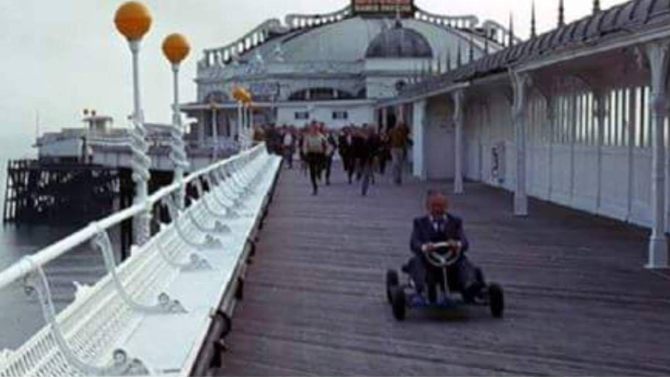
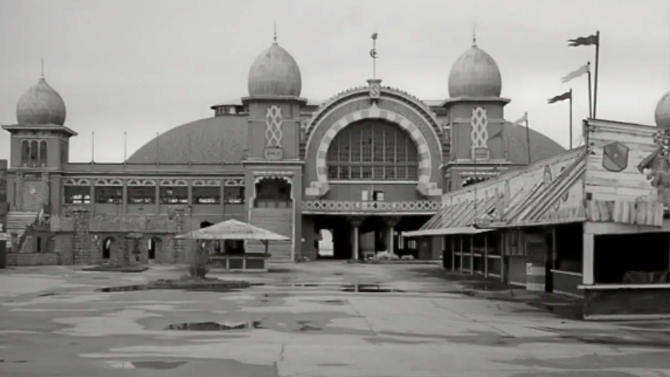
As someone who loves history, there is nothing better than delving into movies from the past. Not only are they a microcosm of society at the time they were made, but there is an added benefit if they were filmed on location somewhere rather unique, that may or may not have changed drastically over the years since shooting. Having recently watched the slapstick British comedy Carry On Girls (1973), it brought me back to another very different film from the past, the low budget horror cult classic Carnival of Souls (1962) – for a very specific reason. So, instead of doing a typical review of the features, we will take a look at two historic locations featured in both of these pictures.
-
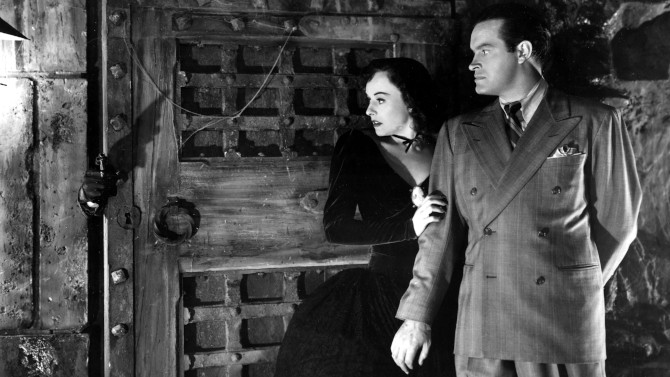
Voodoo, and Zombies, and Ghosts, Oh My
The Ghost BreakersOctober 31, 2024Beating the famed comedy duo of Abbott and Costello to the horror comedy circuit both one and two years prior to their 1941 classic Hold That Ghost, Bob Hope released The Cat and the Canary in 1939, following it up in quick succession (just eight months later) with The Ghost Breakers in 1940 – it was originally a play written by Paul Dickey and Charles W. Goddard (there are also two silent films from 1914 and 1922 based on it that are thought to be lost – the former being directed by Cecil B. DeMille). Directed by George Marshall, the mystery infused horror comedy follows a socialite, Mary Carter (Paulette Goddard), who has learned on a stormy New York night that she has inherited a supposedly haunted castle on a secluded Cuban isle ominously named Black.
-
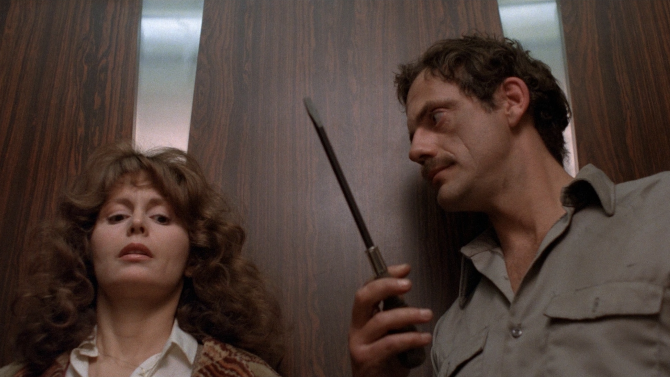
What Could Have Been: Schizoid
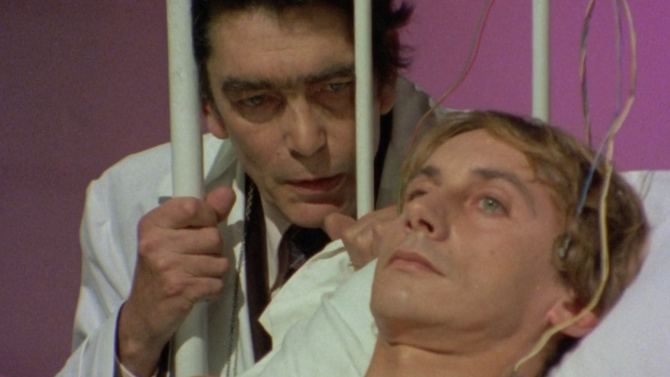
October 26, 2024A rush job of a film, the slasher mystery thriller Schizoid (1980) came about when writer and director David Paulsen bumped into the film’s producer, Menahem Golan, asking him if he’s got any good ideas. Coming up with something for the next day, he was given a measly two weeks to polish off a script, and a few more weeks before it went into production... the only other stipulation, there’s got to be a starring part for Klaus Kinski. Not usually a recipe for success, it is immediately evident that this is guerilla film making at its most rushed. But, at the same time, something rather interesting happened – a cast came together that makes this murder mystery a bit more complex... more on that a little bit later.
-
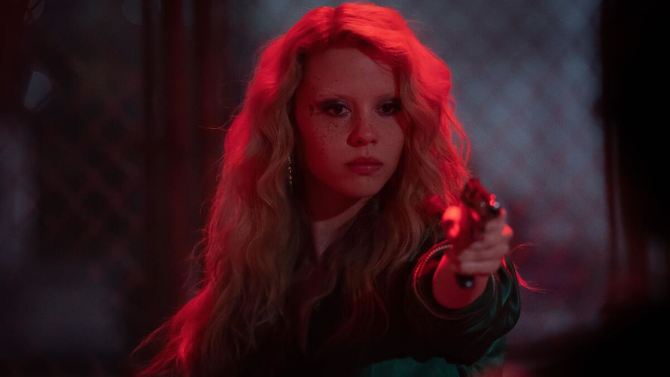
XXX Factor
MaXXXineOctober 23, 2024It all started with X – an ode to the 1970s early slasher movies; then, it was followed up by prequel Pearl – a horror flashback paying tribute to the early days of colour cinema; and it all concludes (supposedly) with MaXXXine (2024) – which leaps into 1985... following survivor of the original, Maxine Minx (Mia Goth), as she navigates Los Angeles – attempting to make it in the cutthroat world of show business. One of the more unique trilogies in cinema history, writer/director Ti West’s conclusion is not complex in its narrative... if you’ve been in tune with the films from the very beginning, it will likely not be too difficult to guess where it’s all leading to, but it is utterly impressive in its cinematic dialogue – in other words, how it pulls its inspiration from the history of the industry to create a striking pastiche of the 80s era.
-
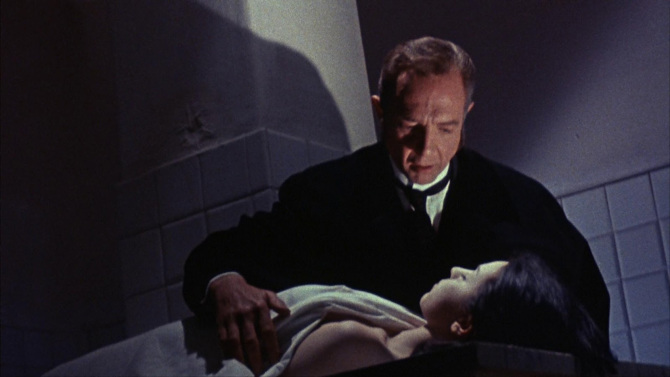
Not That Hitchcock
The Horrible Dr. HichcockOctober 19, 2024Using a slight variation on the Master of Suspense’s oh-so-famous name, The Horrible Dr. Hichcock (1962), a horror film out of Italy written and directed by Ernesto Gastaldi, does not hide its love of the great Alfred Hitchcock’s oeuvre. Set in 1885, the titular Dr. Hichcock is a much lauded surgeon for his early mastery of anesthesia... saving lives no one ever thought remotely possible. With a veneer of respectability both in public and at home, his wife, Margaretha (Maria Teresa Vianello), happily entertains the Italian elite with her elegant piano playing in her extravagant estate home. But it is after hours when his hidden vices are released.
-
Off Pat
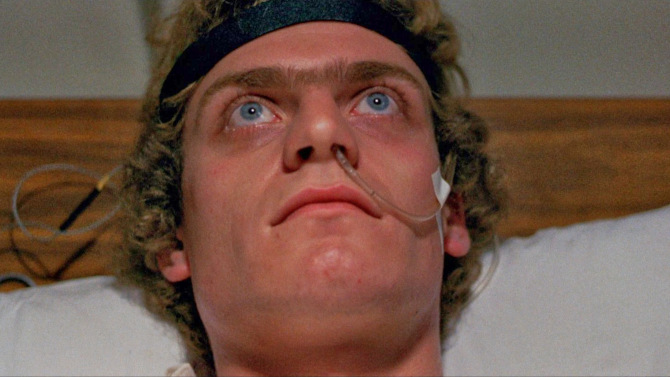 PatrickPatrick Still LivesOctober 15, 2024
Though only coming out some seven years into the growing number of low budget Australian exploitation pictures being made – now known as Ozploitation, Patrick (1978) was one of the first to bring outside attention onto these Down Under flicks. A bomb in its homeland but gaining traction in thirty foreign markets (including its all important success in the United States), this Richard Franklin (Psycho II) venture helped put Ozploitation on the map... something fully achieved the next year when Mad Max burst onto the scene.