 Films That Matter
Star Pick with Lisa Wilcox
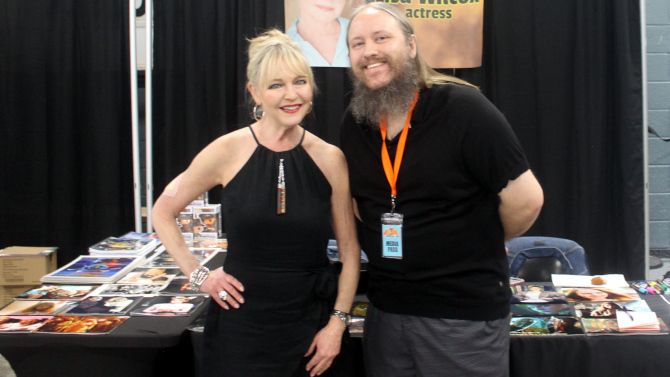
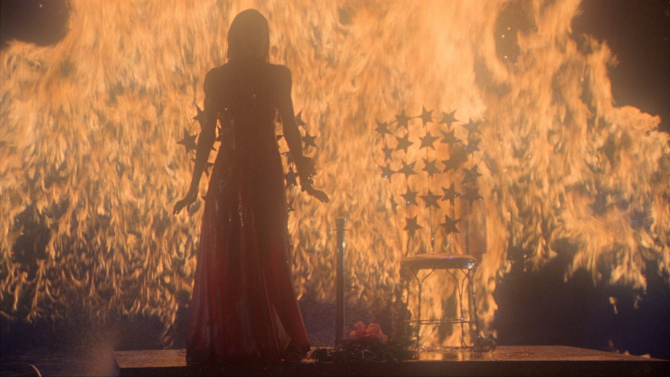
This past June, I was lucky enough to meet and interview Lisa Wilcox at Horror-Fi in Nepean... the first time the event had been hosted, it has already been announced that it will be running June 12-13th, 2027 (so pencil it into your calendars if you will be in the area). For fans of the A Nightmare on Elm Street horror franchise, Wilcox played an integral role in the fourth and fifth features, The Dream Master (1988) and The Dream Child (1989), playing lead Alice Johnson in both.
-
Star Pick with Guy Boucher
 Mission StatementThe MissionOctober 10, 2017
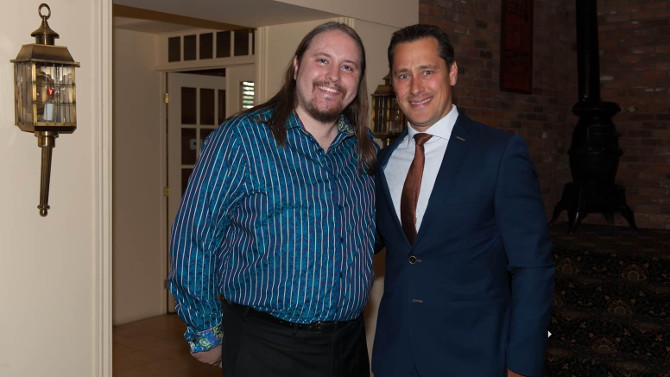
It was an absolute pleasure sitting down with Guy Boucher just prior to the beginning of the 2017-2018 National Hockey League season. At a charitable event for The Children’s Treatment Centre, he was one of the roasters of Ottawa Senators’ assistant coach Marc Crawford, in what can only be termed a hilarious evening. With an impressive start to his coaching career, Boucher began in the Quebec Major Junior Hockey League, capping it off by winning the Paul Dumont Trophy in 2009 – awarded to the personality of the year, while with the Drummondville Voltigeurs. The success brought with it a head coaching job with the Hamilton Bulldogs in the American Hockey League, the affiliate of the Montreal Canadiens, where he took home the Louis A. R. Pieri Memorial Award (coach of the year) in 2010.
-
Star Pick with Tia Carrere
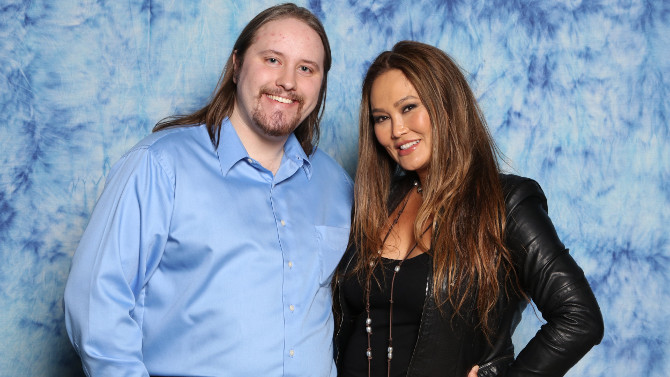 No Replicant RequiredBlade RunnerOctober 3, 2017
The last few years have been a dream for fans of films and television series of the 1980s and 90s, as it seems like more and more are getting sequels (often after many long years), usually with at least a portion of the original cast (and often the director back in either the same role or that of producer) returning to play a part left behind long ago. Think, in no particular order, Dumb and Dumber, Full House, Mad Max, Rocky (Creed), Star Wars, Wet Hot American Summer (actually early 2000s), Jurassic Park, and, as of this Friday, add Blade Runner to the list. Returning to the silver screen thirty-five years after the original, Ridley Scott this time puts his executive producer cap on, with Denis Villeneuve taking over directorial efforts, while Harrison Ford delves into the Rick Deckard character once again. . . though, you’ll have to wait to hear more on that. As a lead-in to the long awaited sequel, the original 1982 picture is the focus today.
-
Star Pick with Michael Dante
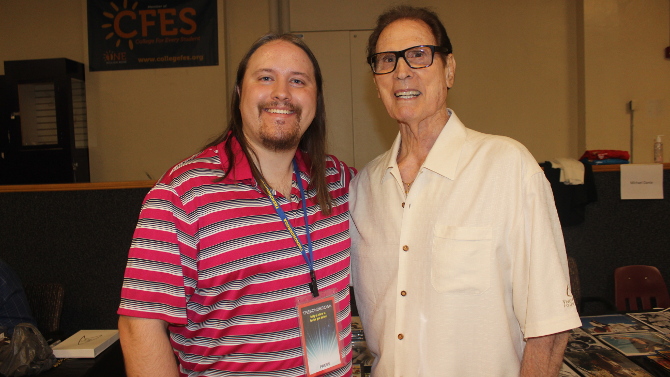 Gone with the Winds of ChangeGone with the WindSeptember 28, 2017
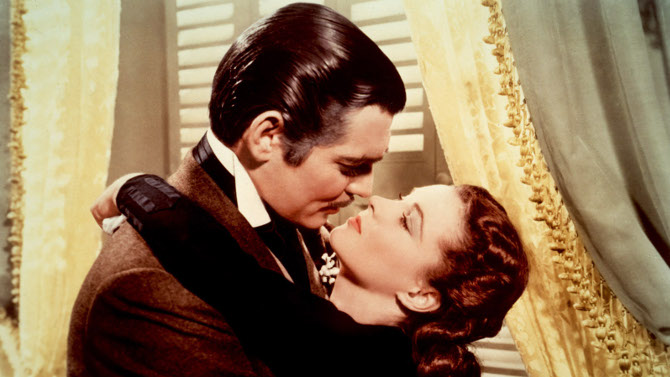
It was lovely sitting down with veteran actor Michael Dante at Trekonderoga this past August. In the business for more than sixty years, it was not his original path in life. A top baseball player, he was signed by the Boston Braves out of high school. As fate would have it, he travelled a less expected path, finding his way, through interesting circumstances, into his first feature film, Robert Wise’s Somebody Up There Likes Me, in 1956 (with legendary names like Newman, Duvall and McQueen). Leading to an impressive career, Dante has graced the silver screen in such films as Westbound, Seven Thieves (Edward G. Robinson, Rod Steiger, Joan Collins, Eli Wallach), Kid Galahad (Elvis), The Naked Kiss (with famed director Samuel Fuller), Apache Rifles, Willard, as well as playing the title character in Winterhawk. . . this is just a small sampling of his work.
-
Star Pick with Nichelle Nichols
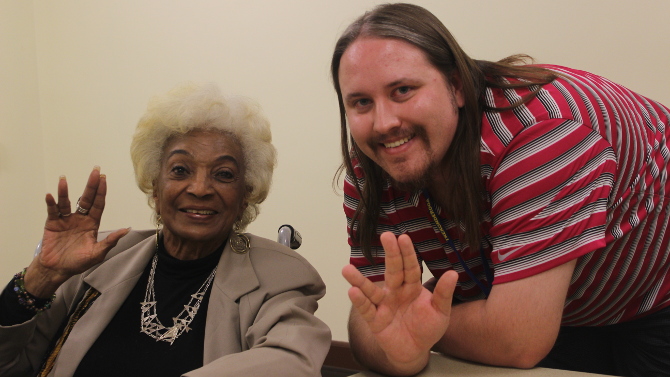 Nichelle, Ma Belle. . .Star TrekAugust 29, 2017
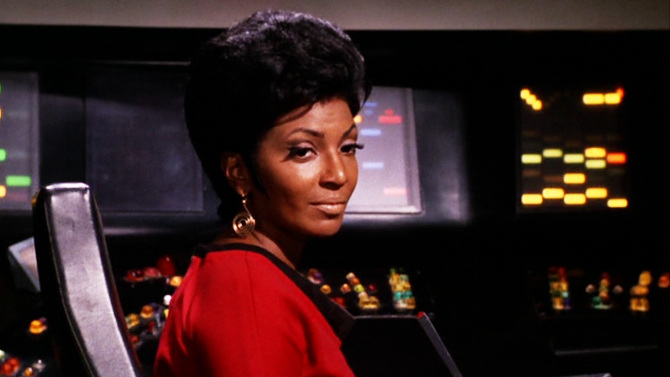
It is rare to find a character so iconic that by simply uttering their last name, everyone is on point. One such case is Uhura. Brought to vivid life on the original Star Trek series (1966-1969) by the great Nichelle Nichols who developed an engaging, multi-faceted and wholly inspiring persona at a time when African American women were portrayed as maids or in other lowly servile positions on television. The fourth most powerful person on the USS Enterprise, Nichols was a part of a multicultural cast that was more than unusual for the era. The crew was comprised of African American, Asian American, Scottish, Russian (during The Cold War), half-alien, and white – symbolic that in the future, we, as human beings, would be able to come together to achieve something special, or as it was so aptly put: “Space: the final frontier. These are the voyages of the Starship, Enterprise. Its five year mission: to explore strange new worlds; to seek out new life and new civilizations; to boldly go where no man has gone before”.
-
Star Pick with Gerry Cooney
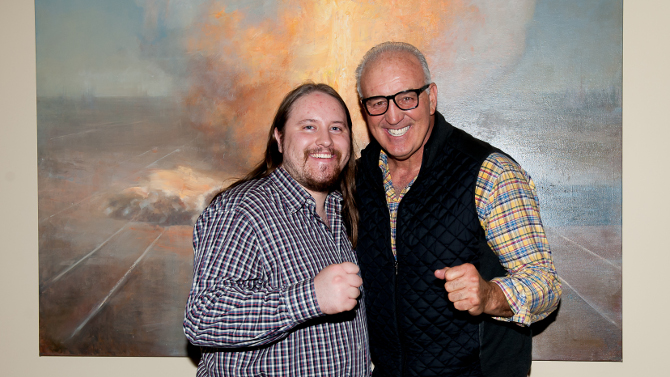 The Fighting IrishThe Quiet ManAugust 2, 2017
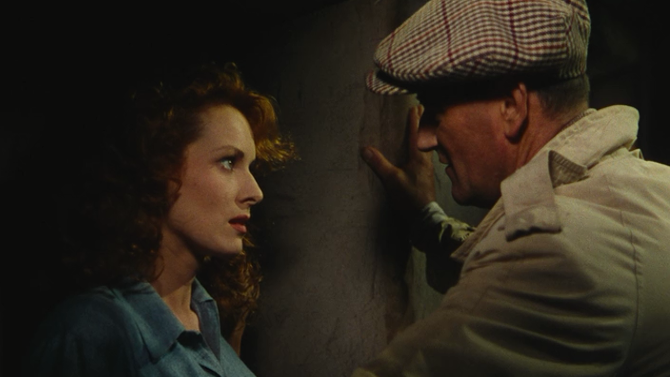
I was fortunate enough to sit down with legendary heavyweight boxer Gerry Cooney not too long ago. One of the biggest punchers to ever grace the bright lights of the ring, his career spanned from 1977 to 1990, a final record of twenty-eight wins and only three losses (twenty-four of those victories came by way of knockout). A towering six feet, six inches, and with an impressive eighty-one inch reach, the offensive minded boxer dismantled two legends of the sport, Ron Lyle and Ken Norton – leading him to a match with the great Larry Holmes, a spectacular bout that went into the thirteenth round, ending with Cooney losing by TKO. After three more convincing wins, Cooney faced two more formidable foes, Michael Spinks and George Foreman, the latter bringing an end to his illustrious career.
-
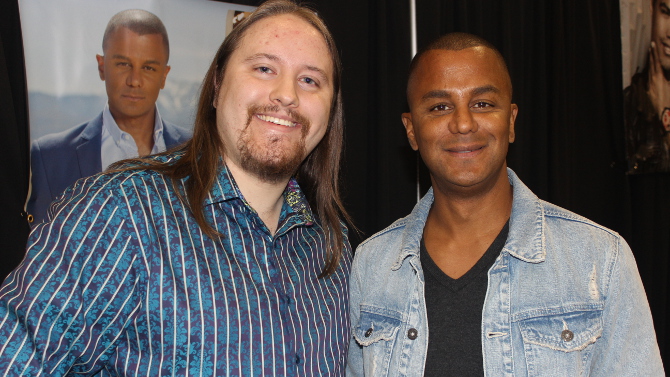
Star Pick with Yanic Truesdale
 Drum Roll PleaseWhiplashJune 6, 2017
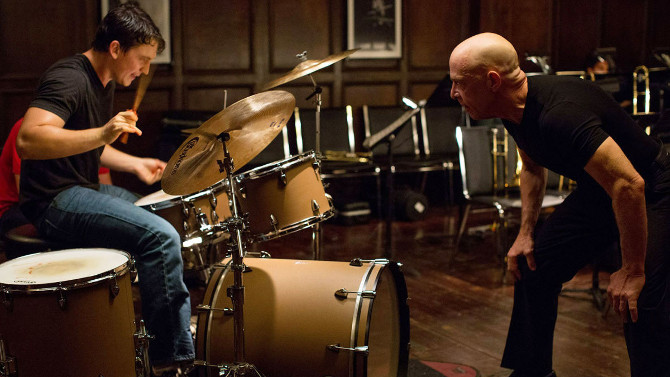
Whiplash, the story of a talented drummer who is pushed to the edge by a more than intense, militarist-style instructor, took the world by storm in 2014-2015 and has continuously gained steam ever since. The simple yet effective tale that consists of a battle of the wills helped the film earn three Academy Awards: including Best Supporting Actor for J.K. Simmons as well as Best Achievement in Film Editing and Sound Mixing. Whiplash has also landed at number 45 on IMDb’s top 250 films list.