 Films That Matter
Missed the Bloody Cut: 2026 (Part 1)
The first Missed the Bloody Cut horror selection of this 2026, here are some more horror movies that did not meet my strict criteria (a rating of 7.0 or higher)... but are still entertaining films (horror fanatics may enjoy) that do not deserve to be shrugged off like a slow walking group of mindless creatures – and that are definitely worth a watch (just maybe not several re-watches).
-

Batter Up
Rookie of the YearMarch 20, 2016The fantasies that flow within a child’s mind are something special that I believe most people lose as they get older (when doubt, reality and logic come into play). Kids have the innate ability to dream about being a professional athlete, a space cowboy or any other bizarre profession (that would baffle the adult mind). The 1993 family sports film Rookie of the Year captures this unbelievable concept of a childhood wish becoming amazing reality.
-

Three’s Company
10 Cloverfield LaneMarch 18, 201610 Cloverfield Lane is an unusual quasi-sequel to the 2008 handheld found-footage Godzilla-like monster movie Cloverfield. I watched the original in theatres back when I was at University, and it struck me as a rather exciting, large scaled horror movie. The gargantuan scope of that picture is interestingly scaled back to the complete opposite in this loose spin-off.
-
Star Pick with Stephen Harper
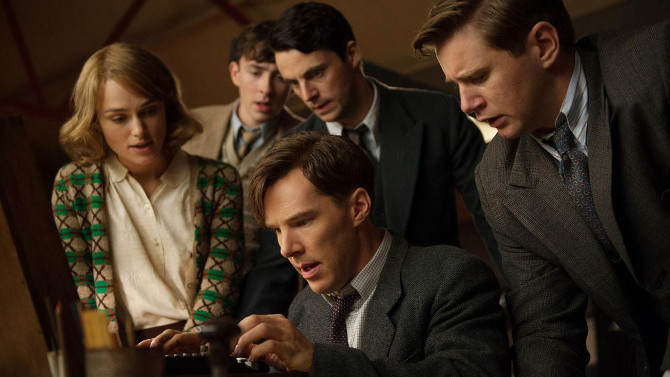
 The Enigma that is Man and MachineThe Imitation GameMarch 15, 2016
One of the more critically acclaimed films to come out of 2014 was the World War 2 drama The Imitation Game, which follows Alan Turing, a mathematical prodigy who builds a machine that can break the Enigma – a German device that decodes their secret military messages. Someone who wholeheartedly agreed with the praise this movie received is former Canadian Prime Minister Stephen Harper – who proclaimed that it was easily his favourite film of 2014.
-

A Gringo Walks Into a Cantina…
Ride the Pink HorseMarch 11, 2016His name, Lucky Gagin . . . or Robert Montgomery for those of you who are looking for the actor portraying this anti-hero. Montgomery, the iconic star, also tried his hand at directing (for the second time), with this rather unorthodox film-noir, Ride the Pink Horse. Our lead walks off a bus and into the city of San Pablo, a Mexican border town that is getting ready to host an annual fiesta.
-
Do Look Now
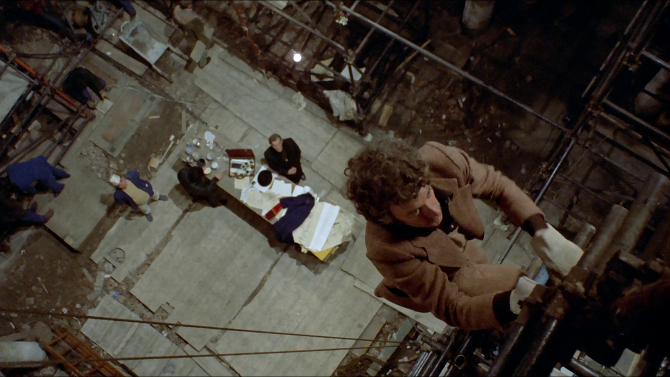
Don't Look NowMarch 8, 2016The horror genre has many incarnations. The two that seem to be most popular as of this point are the slasher flick (i.e. Saw) or the based-on-true-events-style ghost story – à la Paranormal Activity, The Conjuring and so on. From time to time we may see a more traditional, even Victorian-style ghost story such as Crimson Peak or The Woman in Black, but the film I am reviewing today is much harder to pigeonhole, as it is part searing psychological drama, which is then mixed with Gothic horror and a touch of thriller. It is Nicolas Roeg’s 1973 slow-burner of a picture, Don’t Look Now.
-

A Journey of Discovery
IdaMarch 6, 2016The Academy Award Best Foreign Language Film from 2015 transports us back to 1960's Poland, where a young nun named Ida (also the name of the movie) will soon be taking her vows. Prior to doing so, the inexperienced girl takes a trip to visit the only family she has left living, an aunt named Wanda that she has never met.