 Films That Matter
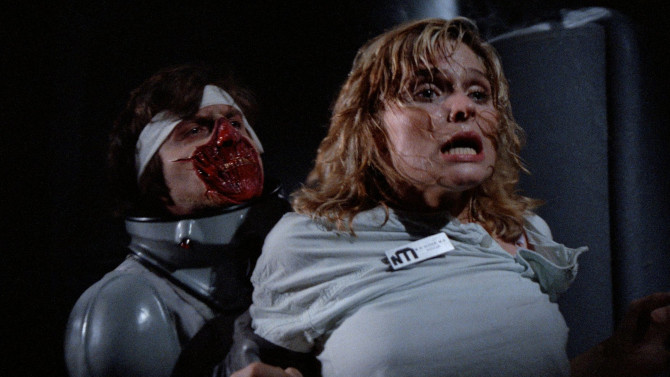
Missed the Bloody Cut: 2026 (Part 1)
The first Missed the Bloody Cut horror selection of this 2026, here are some more horror movies that did not meet my strict criteria (a rating of 7.0 or higher)... but are still entertaining films (horror fanatics may enjoy) that do not deserve to be shrugged off like a slow walking group of mindless creatures – and that are definitely worth a watch (just maybe not several re-watches).
-
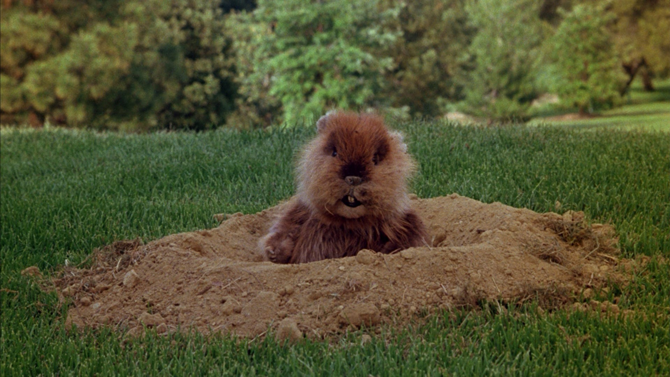
You’re Alright With Caddyshack
CaddyshackApril 13, 2014I think it is finally safe to say that spring is in the air. For me, this time of year brings to mind two things in the realm of sports: the NHL playoffs and the beginning of the golf season. I was lucky enough to run into John Lu at a Montreal Canadiens game recently and we started to talk movies. Lu, who reports on all things sports in Montreal, Habs and beyond, for TSN, was quick to name a classic sports film – Caddyshack, as his favourite comedy of all-time. For him, it was the superb cast and their talents at improvising that placed this movie a notch above the rest.
-
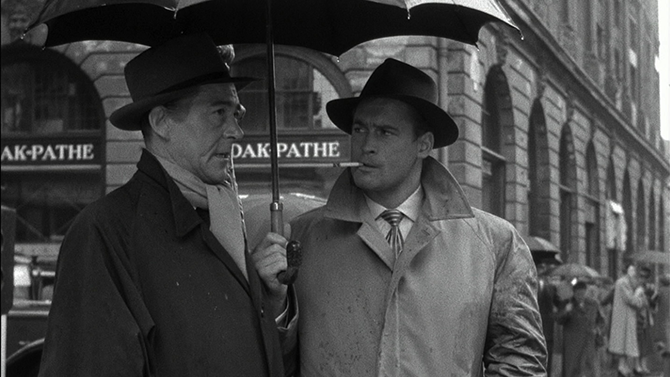
Rififi a Classic Crime Film
RififiApril 6, 2014Most scripts and movies are formed in one complete package, focusing on continuity, flow and character development as well as a definite beginning, middle and end. Yet some films are formed out of something different – a single shot, concept or idea that one then develops a picture around. It does not always work, but when it does, it is cinematic gold. This is the case for the 1955 French crime caper Rififi (originally titled Du Rififi Chez Les Hommes).
-

What to Get the Man Who has Everything
The GameMarch 28, 2014Before I refer to the main title, I must first announce that long-time character actor James Rebhorn passed away last week at the age of 65. Though perhaps not a household name, the tall balding man (who looked the same age for as long as I can remember) will surely be missed, as he played small yet memorable roles for more than 30 years.
-

Russell Does the Hustle, American Style
American HustleMarch 23, 2014"Some of this actually happened." Released last week on Blu-Ray and DVD, David O. Russell’s 2013 hit American Hustle (which was nominated for 10 Academy Awards) out Scorsese’d Scorsese, as many critics put it. I will not go that far, but Russell creates a lively crime comedy/drama in the vain of past Scorsese classics such as Goodfellas, Casino and others – and it can compete on most levels.
-

The Tramp Finds his Voice
The Great DictatorMarch 13, 2014In 1939, it was known that Charlie Chaplin was making a new film.
-

Westerns, Eastwood Style
High Plains DrifterMarch 10, 2014It is hard to believe that Clint Eastwood has been directing movies for over four decades. His second directorial effort, the 1973 western High Plains Drifter, is now celebrating its 40th year.