 Films That Matter
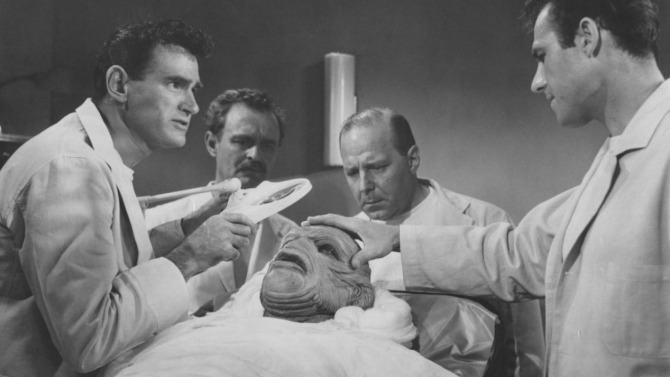
What Could Have Been: The Creature Walks Among Us
The third and final movie in The Creature from the Black Lagoon franchise, The Creature Walks Among Us (1956) was released just a year after the sequel and two after the original – clearly aiming to capitalize on the popularity of their horror creation... but sadly, it is better known as the last classic monster movie filmed by Universal. Directed by longtime assistant director John Sherwood (for the first time in the head chair thanks to some good words from Jack Arnold who directed the previous two), the story this time straddles the line between the original feature and a nature versus nurture premise that makes for a very different monster movie.
-

To Paris and Back Again
Sin Takes a HolidayJune 22, 2025No one in their right mind would ever cast one of the biggest young starlets of the 1930s – Constance Bennett, to play an ordinary plain Jane secretary in a movie. . . but, of course, that’s exactly what Hollywood decided to do in 1930 with the Pre-Code romantic dramedy Sin Takes a Holiday, directed by Paul L. Stein. Bennett plays Sylvia Brenner, a near constant on-call secretary working late nights for a snooty playboy divorce lawyer named Gaylord Stanton (Kenneth MacKenna). Liking nothing better than playing the field with both married and unmarried women (though it seems like he prefers the former better), and then having some fun joking around with his group of friends, including the somehow even snootier barrister Reggie Durant (Basil Rathbone – this at the end of his matinee idol first run... making it big five year later... add another four years and he’d take on his most famous role of Sherlock Holmes), this lifestyle soon backfires on him after a divorcing dame client, Grace Lawrence (Rita La Roy), is looking for a proposal from him as she starts her immediate rebound.
-

Eve of Destruction
BallerinaJune 16, 2025This is not the first time this is being said here... but there is no denying that the James Bond franchise, which is one of my favourites, has been outplayed by other action franchises over the past few decades. With No Time To Die (2021), a glorious door opened wide with Ana De Armas... after a twelve minute cameo from the actress as Paloma got the fandom going crazy – a perfect avenue for a female spinoff as fans were clamoring for more. Outmaneuvered once again, it was not the Bond producers that speedily green lit a new production, but one of their main rivals who signed the actress up for an action saga with: From the World of John Wick: Ballerina (2025), directed by Len Wiseman and co-written by action guru scribe Derek Kolstad (who has been involved with the first three John Wick’s, as well as the sole penman of Nobody). The other writing credit goes to Shay Hatten (who helped with parts three and four of Wick).
-
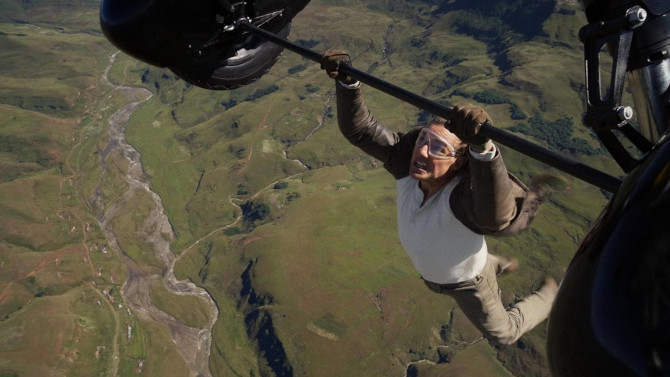
An Impossible Mission
Mission: Impossible - The Final ReckoningMay 27, 2025How do you wrap up a franchise like Mission: Impossible? That is, if this even is the final installment... as they’ve made it sound (while at the same time, stars not named ‘Tom Cruise’ pipe up and suggest that might not be so). It has been twenty-nine years, with different writers and visionary directors – from twisty Brian De Palma and the action hair stylings of John Woo, to the lens flares of J.J. Abrams and animation expert Brad Bird, it was only about ten years ago that the franchise decided to opt for The Usual Suspects scribe Christopher McQuarrie for the final four. To return to that opening question once more, you could end with a Sopranos’ style cliffhanger, simply make another entertaining movie like the many before – like Everybody Loves Raymond did it with its final episode, or try to tie everything up in a neat little bow by bringing everything together as the Daniel Craig era did with James Bond. Well, it is definitely more along the lines of the latter example, with some distinct differences.
-

Murder ‘Mystery’
MystèreMay 19, 2025Sometimes a movie just doesn’t fit perfectly within its own genre... going against a few of the tropes that define what something is, all while hitting enough of them to still be what it is – confusing! That’s the case with this latter-day Italian giallo, Mystère... sometimes better known by its English title Dagger Eyes (1983). Co-written and directed by Carlo Vanzina, the film opens with a rather impressive, though more crime inspired assassination in Rome... resembling the real life John F. Kennedy car killing. It will start a chain reaction of murders that will rock the Eternal City.
-
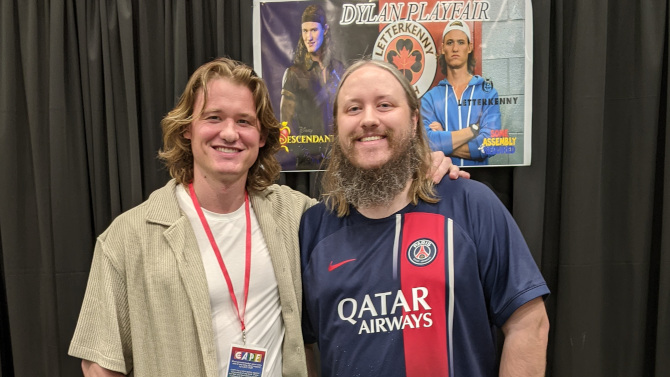
CAPE is 10!
April 27, 2025Boy, how time flies when you’re wearing a CAPE, or to be more specific, enjoying yourself at the Cornwall and Area Pop Event, which, like all good things, has returned once more... and is excitingly celebrating its tenth anniversary this year!!! Attracting thousands of pumped up visitors on a rather dreary Saturday, April 26th, 2025, the locale was joyously cheerful thanks to the boisterous crowd filling the place... with a Sunday still to come for those in the Cornwall, Montreal, and Ottawa region.
-
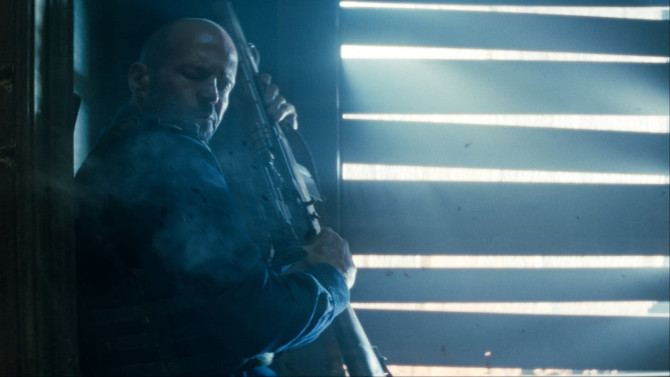
They Call Him the Working Man
A Working ManApril 20, 2025Re-teaming together in short order after the success of 2024's The Beekeeper, director David Ayer and star Jason Statham return just one year later with A Working Man (2025)... if the former oozed an unbeatable action hero more along the lines of a John Wick, this newer effort clearly takes some inspiration from the Taken model of hustle and bustle. Actually taking its genesis from a 2014 Chuck Dixon novel entitled “Levon’s Trade”, it was Sylvester Stallone who snapped up its rights... originally adapting it for television through his Balboa Productions. Long story short, it was adjusted to become a movie, Stallone stepped away from starring in it (due to age constraints and a busy schedule with his series Tulsa King), with Ayer soon joining the production, making some additions to the script before directing.