 Films That Matter
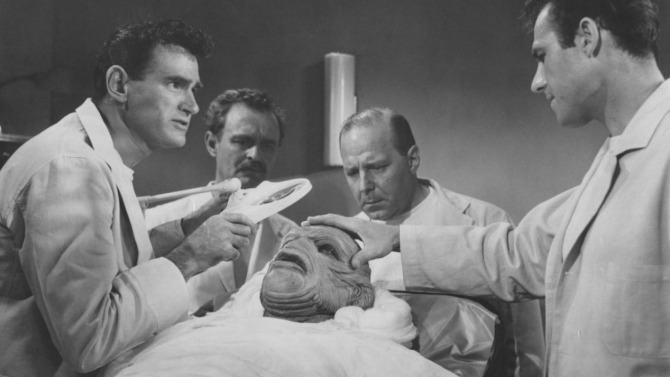
What Could Have Been: The Creature Walks Among Us
The third and final movie in The Creature from the Black Lagoon franchise, The Creature Walks Among Us (1956) was released just a year after the sequel and two after the original – clearly aiming to capitalize on the popularity of their horror creation... but sadly, it is better known as the last classic monster movie filmed by Universal. Directed by longtime assistant director John Sherwood (for the first time in the head chair thanks to some good words from Jack Arnold who directed the previous two), the story this time straddles the line between the original feature and a nature versus nurture premise that makes for a very different monster movie.
-
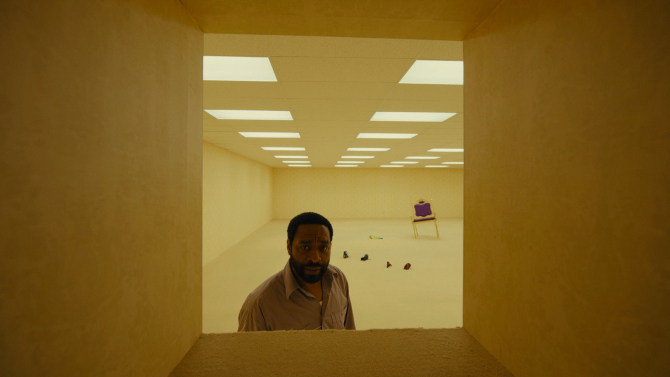
Square Footage
BackroomsJune 8, 2026While viewing today’s movie, a quote revolving around The Doors and their band name popped into my head, “There are things you know about and things you don't, the known and the unknown, and in between are the doors – that's us”. With links to Aldous Huxley’s The Doors of Perceptions, and before that the even more apropos William Blake’s 18th century poem The Marriage of Heaven and Hell, one line from it reads, “If the doors of perception were cleansed, everything would appear to man as it is: infinite.” It only seems fitting that this rather abstract lineage which discusses both reality and exploring expanded consciousness somehow links to the sci-fi psychological horror film Backrooms (2026), co-written and directed by 20 year old Kane Parsons.
-
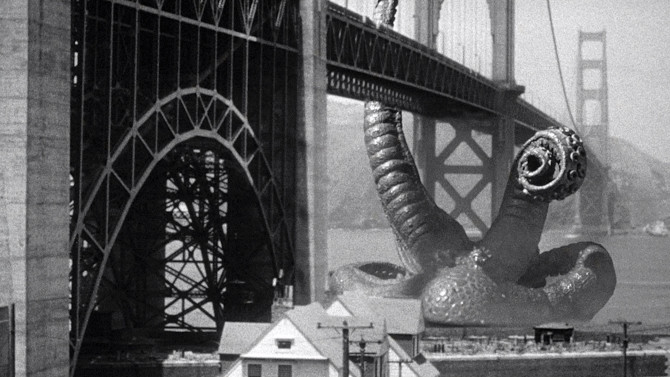
What Could Have Been: It Came from Beneath the Sea
June 5, 2026When low budget B movies were produced back in the 1950s, studios (in this case, Columbia) never really expected that much from them... but as you might already know, especially when it came to fun sci-fi horror monster movies, they tended to hit the sweet spot for what movie audiences wanted. One such example is Robert Gordon’s cephalopod-centric It Came from Beneath the Sea (1955).
-
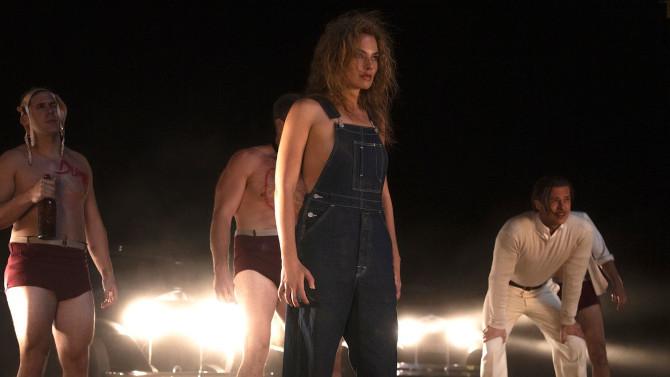
The Fall and Rise of Babylon
BabylonJune 2, 2026Sometimes, certain films just seem destined to underperform at the box office, only to fall into more of a cult status down the road... and this could likely be the case for writer/director Damien Chazelle’s epic depiction of late 1920s, early 1930s Hollywood in Babylon (2022). Clocking in at three hours, nine minutes, if Chazelle’s 2016 musical La La Land was a love letter to current Hollywood, then this could easily be considered something similar to the growth and birth of the place. In some ways reminiscent of Quentin Tarantino’s 2019 feature Once Upon a Time... in Hollywood (which also gives the viewer a bird’s-eye view into the movie making business), the aptly named Babylon is perhaps not for the faint of heart, but will be rewarding for anyone intrigued by the silent and the 30s Pre-Code era (or for people who are simply looking to learn more about this cinematic time).
-
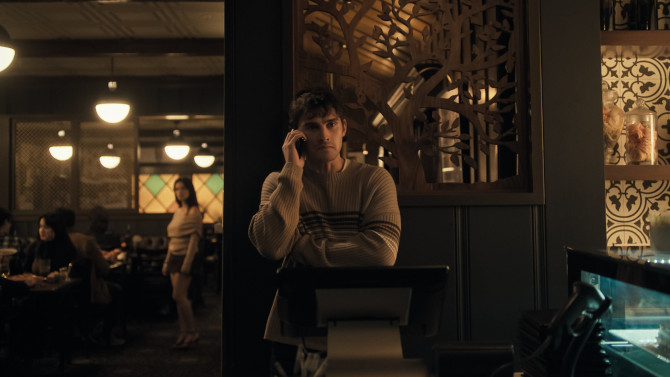
Obsessive Compulsive
ObsessionMay 31, 2026If someone was told that a movie had earned almost 110 million in just over two weeks at the box office, most people would just shrug it off and say that isn’t all that special... but with this film being made for somewhere between 750,000 and 1 million dollars, that makes it a whole different thing. Utterly impressive in this day and age, the psychological horror film Obsession (released back at the Toronto International Film Festival in 2025), written, directed, and edited by Curry Barker, is taking the cinema world by storm. Aptly titled, the rather timid, lonely, and lackluster Baron ‘Bear’ Bailey (Michael Johnston) is rather infatuated with coworker and longtime friend Nikki Freeman (Inde Navarrette). Working in the same music store along with co-friends Ian (a boisterous Cooper Tomlinson) and Sarah Harper (Megan Lawless) – whose father Carter (Andy Richter – yes Conan O’Brien’s longtime sidekick) runs the store, it has become a sort of frustrating groundhog’s day for the man – who has long fretted over making his feelings known to the girl.
-
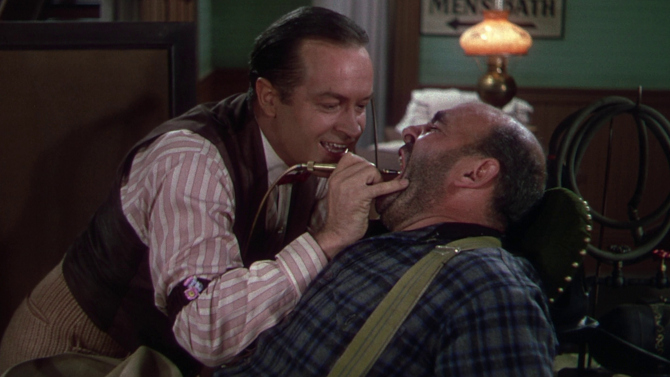
By the Skin of Your Teeth
The PalefaceMay 26, 2026Originally meant to be a satire... though of a film very few have ever seen nowadays, the Norman Z. McLeod western comedy The Paleface (1948), written by Frank Tashlin about 1929's Virginian, infuriated the man in how it was directed (as a more generic spoof of the western)... but funnily enough, despite the screenwriter’s opinion, until Blazing Saddles (1974) came out, it was the highest grossing western parody of all-time and spawned a sequel in Son of Paleface (1952), while it was also remade as the Don Knotts vehicle The Shakiest Gun in the West (1968). After government agents tasked with tracking down an illegal gun smuggling ring turn up dead, the infamous Calamity Jane (Jane Russell) is secretly broken out of jail by Gov. Johnson (Charles Trowbridge) with the hope that she will take a pardon for going undercover to get to the bottom of this rebel-rousing (similar to rabble-rousing) gang in the frontier land.
-
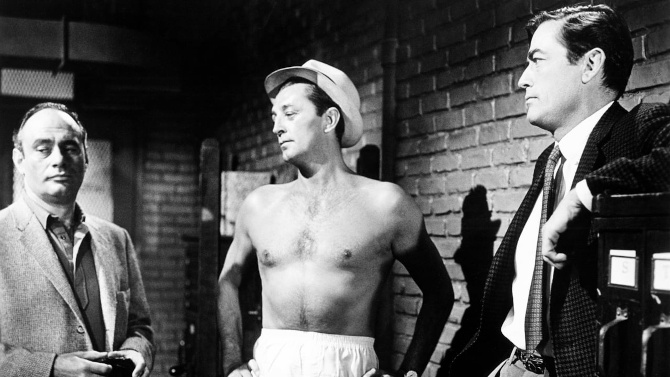
Fear Factor
Cape FearMay 23, 2026Sometimes, even the immediacy of a mesmeric score setting the mood for what is to come tells the viewer that they are likely in for something really special. Case in point, Bernard Herrmann’s intense opening composition for 1962's Cape Fear, directed by J. Lee Thompson (Happy Birthday to Me). Produced by and starring Gregory Peck (To Kill a Mockingbird; On the Beach), he plays small town attorney Sam Bowden – a well respected family man within the quaint community in Georgia. Soon to be met with a harbinger of much danger, Max Cady (Robert Mitchum – Out of the Past; Where Danger Lives) – who was put behind bars by the soft spoken lawyer eight years ago after he testified at his trial, has made it quite clear that Sam’s wife Peggy (Polly Bergen) and daughter Nancy (Lori Martin) are in just as much danger, if not more.