 Films That Matter
What Could Have Been: The Creature Walks Among Us
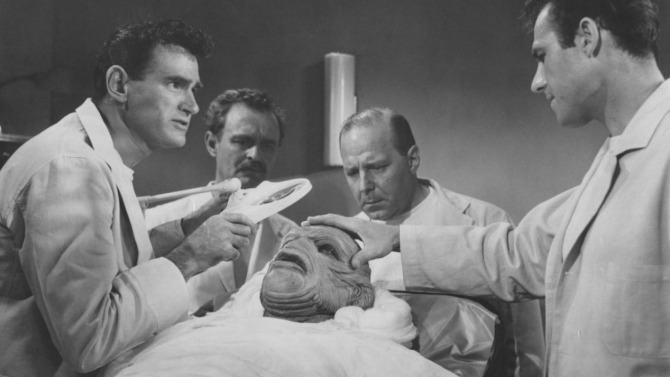
The third and final movie in The Creature from the Black Lagoon franchise, The Creature Walks Among Us (1956) was released just a year after the sequel and two after the original – clearly aiming to capitalize on the popularity of their horror creation... but sadly, it is better known as the last classic monster movie filmed by Universal. Directed by longtime assistant director John Sherwood (for the first time in the head chair thanks to some good words from Jack Arnold who directed the previous two), the story this time straddles the line between the original feature and a nature versus nurture premise that makes for a very different monster movie.
-
Wolf Pack
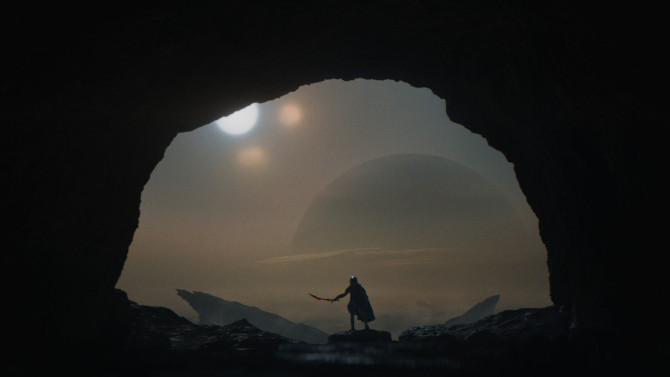
Predator: BadlandsMay 19, 2026After the success of 2022's eighteenth century set Prey, director Dan Trachtenberg has returned to the Predator franchise once more, this feature titled Predator: Badlands (2025), again coming up with a wholly different concept that transports the story in an engaging new direction. Taking place about as far away as possible from his previous effort (a concept developed by Trachtenberg and Patrick Aison, the latter then writing the screenplay), this one opens on Yautja Prime, the home planet of the Predators (who are formally known as Yautja), where the audience meets Dek (Dimitrius Schuster-Koloamatangi) – the weakling runt of the family who hasn’t earned his camouflaging cloak... which, if you known Predator culture, is not a good thing.
-
Bang For Your Buck
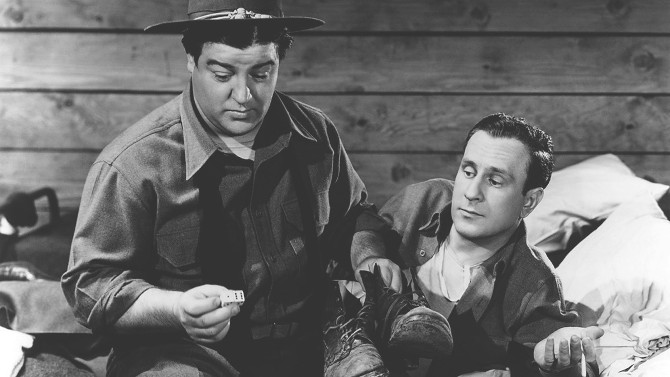
Buck PrivatesMay 15, 2026elebrating its 85th anniversary this year, Arthur Lubin’s Buck Privates started Bud Abbott and Lou Costello on their path to superstardom. Though they had already gained some fame on the vaudeville and burlesque comedy circuits, as well as gathering some traction on the radio (and lest we forget their small roles in their first film, One Night in the Tropics, the year before), things would be wholly different soon after. Combining their very different talents as the perfect straight and funny men (their longtime writer and ideas man John Grant came along for the ride – and would be involved on most of their future movies), it also didn’t hurt that cinema goers found plenty of comedic fun in its topical premise as tensions grew around the fears of the lengthening World War II – making Universal the most money it had ever earned up until that point (four million dollars – a lot of cash when tickets were between ten cents and a quarter depending on the location).
-
Ohm My God
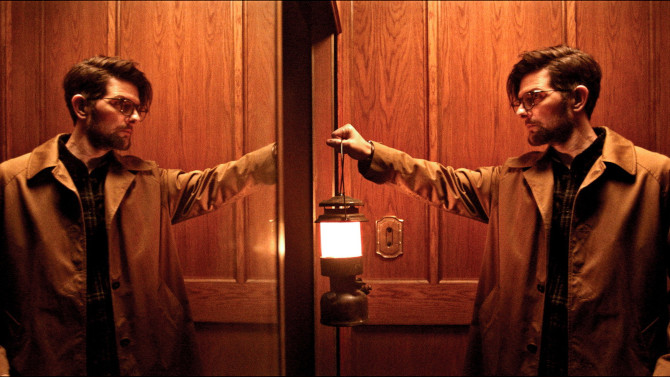
HokumMay 12, 2026Finding an intriguing milieu somewhere between the recent popularity in witch related films over the past decade (think The VVitch, Hereditary, The Autopsy of Jane Doe, and Weapons) and a spooky atmosphere somewhat reminiscent of the Stephen King room related 1408, Hokum (2026), written and directed by Damian McCarthy, is another worthy entry in the horror genre. In many ways about battling your own demons, Ohm Bauman (Adam Scott) is a successful writer with a very troubled past – making him a bitter, cantankerous, and bluntly rude human being, he is currently writing the trilogy-ender to his successful Conquistador series (which serves as a bookend for this film). Suddenly haunted by his parents’ ashes sitting upon his mantle (as well as being hit with a form of writer’s block), he decides to fly to Ireland to spread them at one of the places he knows they loved – a kitschy inn called The Bilberry Woods where long ago they honeymooned.
-
Ghostly Vengeance
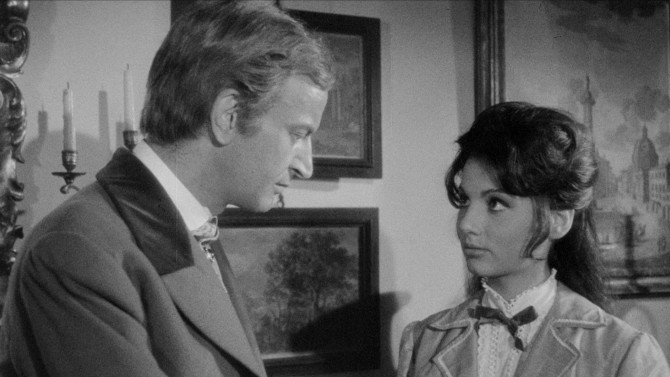
Lady Morgan's VengeanceMay 8, 2026Intriguingly playing like two separate movies, Massimo Pupillo’s Lady Morgan’s Vengeance (1965), opens like a melodramatic romance with a psychologically tinged mystery before its second half genre switch into a much more gothic horror tale. An Italian production, though funnily enough set in Scotland (though that is definitely not English they are speaking), the attractive Lady Susan Morgan (Barbara Nelli), niece of the wealthy aged Sir Neville Blackhouse (Carlo Kechler), finds herself betrothed to Sir Harold Morgan (Paul Muller) when she truly loves the French man who has been hired to restore portions of the massive manor home, Pierre Brissac (Michel Forain).
-
Star Pick with Justin Paul Kelly
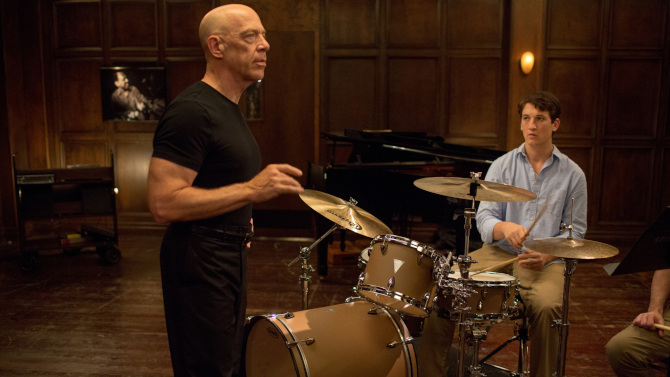
 Drum BeatWhiplashMay 1, 2026
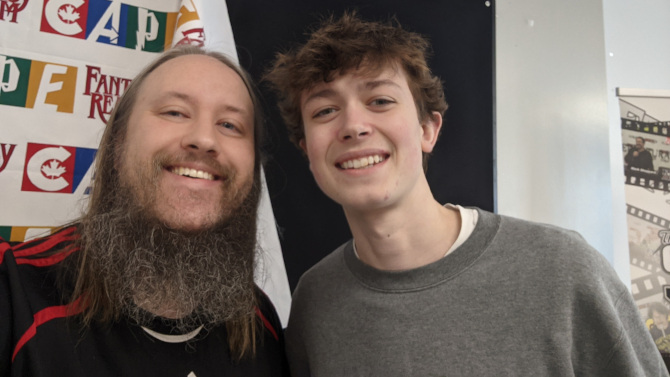
Just this past weekend, I was lucky enough to interview Justin Paul Kelly at the eleventh edition of CAPE – or the Cornwall and Area Pop Event. For those of you who have young kids at home, you’ll immediately know his cadence, for Justin was the voice of Paw Patrol’s Chase from 2018-2023 – encompassing an impressive 129 episodes, as well as voicing the role in several tv movies (including Paw Patrol: Jet to the Rescue and Paw Patrol: Super Rescue). As for something more related to adult viewing, Justin had a ten episode arc as Harlan on season two of the Netflix superhero series The Umbrella Academy (2019-2024).
-
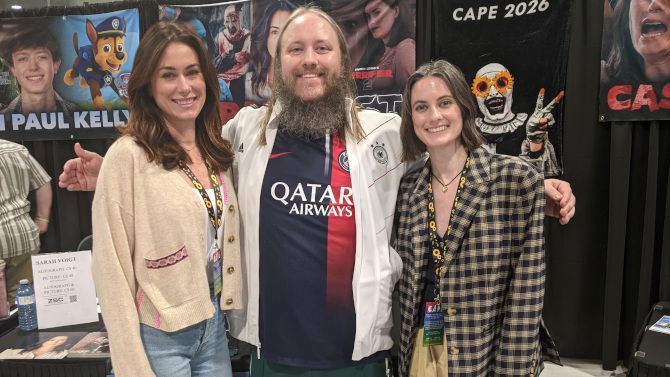
CAPE Eleven
April 27, 2026Wow, another year, another CAPE... also known as the Cornwall and Area Pop Event, which celebrated its impressive 11th anniversary on April 25th and 26th of 2026. Furthering the celebration of all things pop culture – think film, television, animation, cos-play, comic books, video games, and so very much more, it is hard to believe that it has now brought more than a decade’s worth of memorable fun. Drawing thousands from in and outside the city of Cornwall (good luck finding a parking spot!) for the two day event, the Benson Centre was packed with joyous people exploring the diverse activities