 Films That Matter

The Thick of Things
Based upon the 1992 novel of the same name by Alasdair Gray, as well as clearly taking some inspiration from Mary Shelley’s “Frankenstein”, Yorgos Lanthimos’ Poor Things (2023) is not the horror path one might expect from the monster book/movie referenced above, instead, it feeling like a coming of age sci-fi fantastical fairy tale that also dabbles in the realm of psychology, romance, drama, and even comedy. Set in an eccentric world trapped somewhere between Victorian England and some sort of steampunk futuristic alternative, Bella Baxter (Emma Stone – Bugonia; La La Land) is the latest dynamic if out there scientific experiment by the deformed Dr. Godwin Baxter (Willem Dafoe – Nosferatu; The Lighthouse). A grown woman in body, but with the mind of something closer to a baby, it does seem like she is developing at a quicker pace compared to a normal human child.
-

Snatch and Grab
Snatch.April 3, 2016The first thing that came to mind after watching Guy Ritchie’s 2001 crime film Snatch was that it must have been a bugger to write. Ritchie, who both scribed and directed the movie, concocts a motion picture that feels like an amalgam of film noir, a British crime caper, a boxing flick as well as a comedy – all thrown onto the screen by some sort of high powered rocket launcher.
-

Three’s Company
10 Cloverfield LaneMarch 18, 201610 Cloverfield Lane is an unusual quasi-sequel to the 2008 handheld found-footage Godzilla-like monster movie Cloverfield. I watched the original in theatres back when I was at University, and it struck me as a rather exciting, large scaled horror movie. The gargantuan scope of that picture is interestingly scaled back to the complete opposite in this loose spin-off.
-
Star Pick with Stephen Harper
 The Enigma that is Man and MachineThe Imitation GameMarch 15, 2016
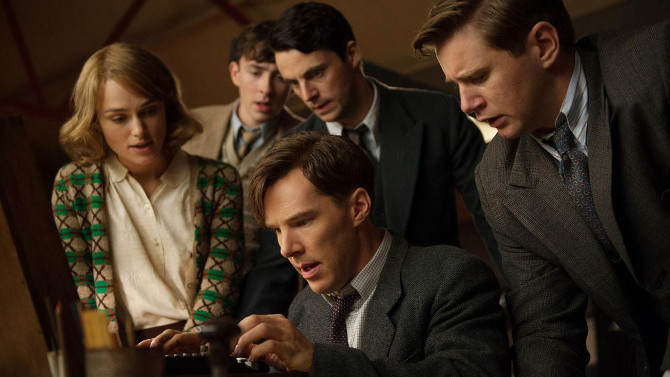
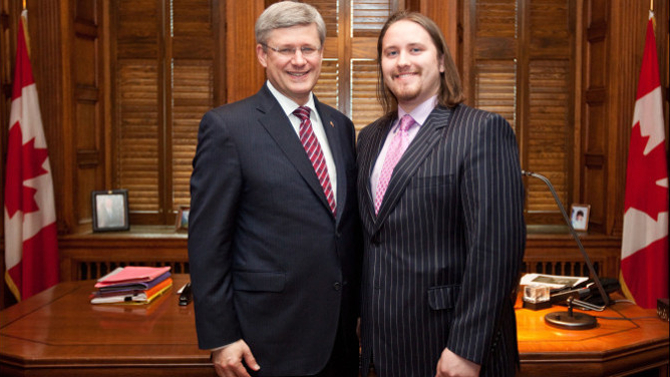
One of the more critically acclaimed films to come out of 2014 was the World War 2 drama The Imitation Game, which follows Alan Turing, a mathematical prodigy who builds a machine that can break the Enigma – a German device that decodes their secret military messages. Someone who wholeheartedly agreed with the praise this movie received is former Canadian Prime Minister Stephen Harper – who proclaimed that it was easily his favourite film of 2014.
-
Vigilante Justice
 Gran TorinoHarry BrownMarch 1, 2016
I am excited to announce that a new feature has come to Filmizon.com – the ability to do a Dual/Duel movie review. I can think of no better way of putting the new set-up to the test than comparing one of the best films of 2008 – Clint Eastwood's Gran Torino, to a lesser known, but equally strong picture – 2009's Harry Brown, starring Michael Caine.
-

Bridge Over Troubled Water
Bridge of SpiesFebruary 28, 2016The Cold War was a truly unique, interesting and scary time when the whole world felt upside down – how else can you describe a worldwide conflict where tensions could not be higher yet bullets and bombs were not being fired. Paranoia, fear and propaganda ruled the day as two very different ideologies, brought forth by two powerhouse nations, fought for the hearts and minds of the world’s populace. It is in this intense setting that Steven Spielberg re-teams with Tom Hanks to make the harrowing, fish-out-of-water story Bridge of Spies.
-

Highway to Hell
Mad Max: Fury RoadFebruary 5, 2016It is quite clear that a good story is a vital part of making a quality film. Yet, in certain rare circumstances, the narrative can play a less important role than the majestic visual aspects of storytelling. It can be a risky proposition, and one that rarely works, but when it does, the audience is in for one exciting and mesmerizing ride. This is the case with the Academy Award Best Picture nominee Mad Max: Fury Road.