 Films That Matter
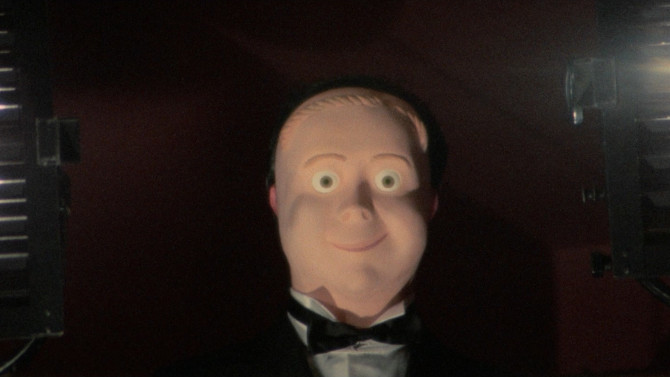
Four Flies in the Ointment
The third and final film in Dario Argento’s gialli ‘Animal Trilogy’ – following The Bird with the Crystal Plumage and The Cat o’ Nine Tails – 1971's Four Flies on Grey Velvet, like the others, aren’t truly connected by anything other than their quirky titles and mystery thriller themes. A vexing conundrum for our protagonist, rock drummer Roberto Tobias (Michael Brandon), he constantly seems to be tracked by a shady looking individual (Calisto Calisti). Finally having enough, he does his own stalking, following the individual into an empty hall.
-
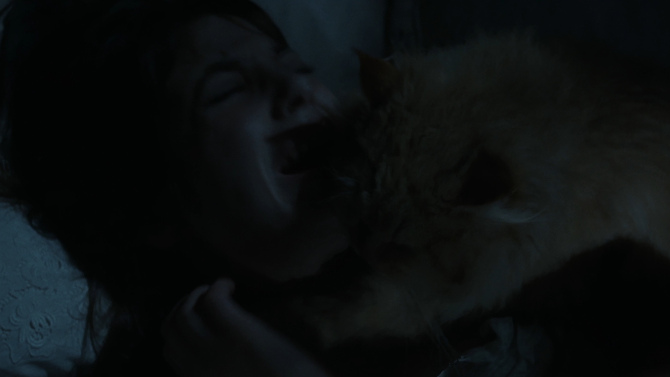
Cat Me If You Can
Seven Dead in the Cat's EyeAugust 11, 2020Expect some lowlifes in the highlands – after all, don’t they say, ‘expect less rather than moor, and you won’t be disappointed’; also, look for some individuals who put the clan in clandestine. Another warning, when dealing with crypts, loch it up and throw away the key. . . okay, enough with all of this wacky wordplay and welcome to one of those intriguing gialli that uproots from their native Italy to a foreign destination (if you haven’t yet guessed Scotland, my kilty pleasure of quirky puns was for naught); namely, Seven Deaths in the Cat’s Eye (1973). Directed by Antonio Margheriti (though you will see his English name, Anthony M. Dawson, in the credits), we are transported into the gothic world of the Scottish countryside alongside Corringa (Jane Birkin), a young woman that is part of the ancient family of MacGrieff – though MacGuffin might be a better name with all of the trickery found in the plot. Making the trip to her clan’s ancestral home (actually a gothic castle named Dragonstone), what she doesn’t know is that a murder has been committed in the cavernous basement of the abode (a location that would make Bruce Wayne jealous).
-
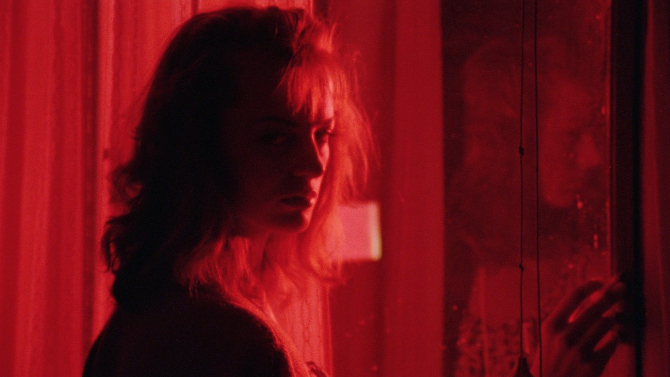
Pyjama Parting
The Pyjama Girl CaseMay 26, 2020You know you’re in for a giallo when the word is literally in the Italian title. . . La Ragazza Dal Pigiama Giallo, simplified in English by being called The Pyjama Girl Case (1978), the word giallo, if you recall, is in reference to the garish yellow used on the covers of many of the books writers pulled from to create the films’ narratives – in this case, it is referencing the distinctive colour of the pyjamas the murdered girl was wearing when found. Written and directed by Flavio Mogherini, and based on a real case (the unsolved murder of Linda Agostini in 1934), this is a very rare giallo set in Australia, Sydney to be specific. A narrative about foreignness, nearly everyone in this Down Under landscape is an immigrant searching for a better life (though, as you will see, this isn’t always the outcome).
-
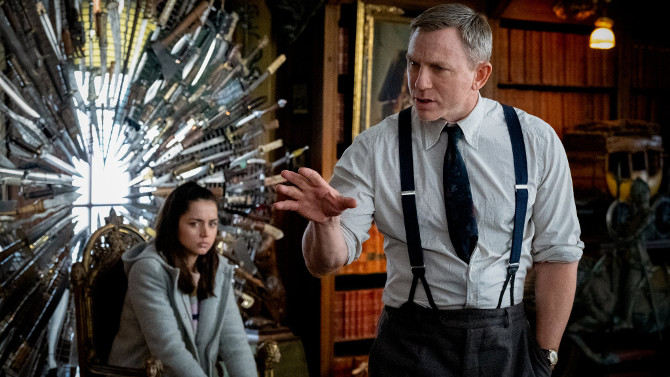
Blanc Check
Knives OutApril 6, 2020An Americanized twist on the Agatha Christie murder mystery, Rian Johnson writes and directs Knives Out (2019), an entertaining crime-centric dramedy that earned him an Academy Award nomination for Best Original Screenplay. Centred on the suicide (or is it murder – cue the dramatic music) of famed crime writer and patriarch Harlan Thrombey (Christopher Plummer), he was the centre (and benefactor) of his entire family. Though this is the genesis event, the main player is actually his kind-hearted and thoughtful caretaker/nurse, Marta Cabrera (Ana de Armas) – someone who is constantly reminded by Harlan’s relatives that she is a part of the family (despite them claiming she is from Ecuador, Cuba, Uruguay, Paraguay and Brazil – definitely part of the family). With a really weird disorder, she vomits anytime she attempts to lie – not good in a murder mystery.
-
What’s In a Name?
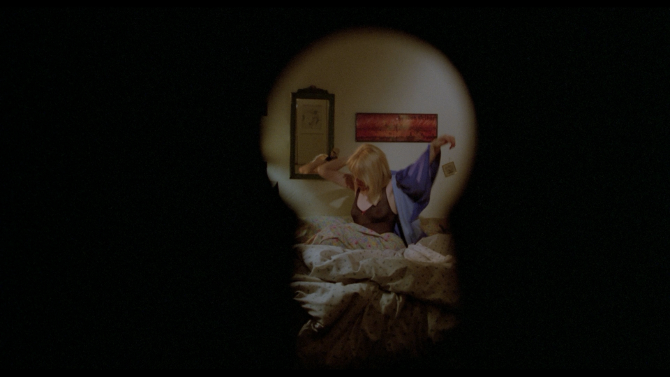
OliviaMarch 29, 2020Are you in the mood for a Taste of Sin. . . perhaps with a dash of Double Jeopardy. . . and what the heck even is a Prozzie (for those of you not in the know, it is slang for a prostitute). . . or, to end with the most generic and lackluster of all, meet Olivia. Every once in a while, you’ve just got to love finding a little known, underground, low budget B movie that has stayed hidden from most of the world since its release (in this case, 1983), and Olivia (which was also released under the three other titles mentioned above) fits the bill. A film that pulls a bit from Alfred Hitchcock’s Vertigo (you might also recognize some similarities to Marnie and Psycho), as well as from the luridly entertaining crime and thrillers coming out of Europe the decade previously (gialli and poliziotteschi), and a number of other sources, co-writer/director Ulli Lommel (who was a frequent collaborator with acclaimed Rainer Werner Fassbinder), introduces us to poor Olivia (Suzanna Love as an adult; as a five year old – Amy Robinson), a young woman who has been dealt a poor hand in life. Growing up with her prostitute mother overlooking London bridge, she witnesses her mom’s demise at the hands of a sadistic American soldier (Nicholas Love). . . flash forward fifteen years, and she has found her way into the arms of the first brute she bumps into, Richard (Jeff Winchester) – already four years married to the uncouth, violent factory worker.
-
Going Under
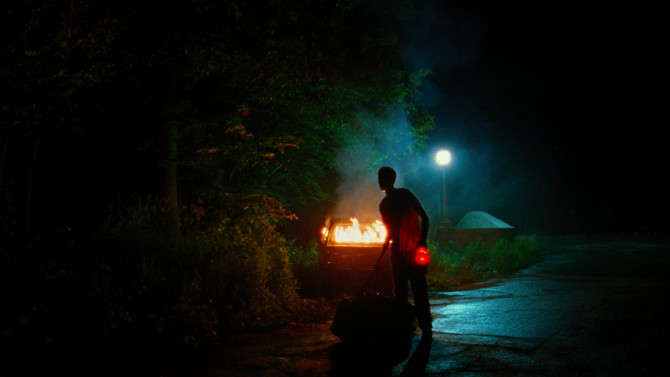
Lost RiverMarch 27, 2020Ryan Gosling’s first, and to date, only writing and directing credit, 2014's Lost River is by no means a film for everyone. . . an arthouse style dark fairytale with tinges of gialli violence and colour, the actor turned filmmaker sets in place a slow, unsettling mood that will either hold you in its oppressive grip, or might just leave you up the creek without a paddle. The title a reference to the town in which we are dropped into, it is like much of smaller town America (and some of larger city America as well – it is actually filmed in Detroit), a crumbling locale where many young folks have fled, businesses sit empty, roving gangs of hoodlums burn houses for the fun of it, and everyone lives in a dystopic-like fugue state of depressed apathy.
-
On His Venetian’s Secret Service
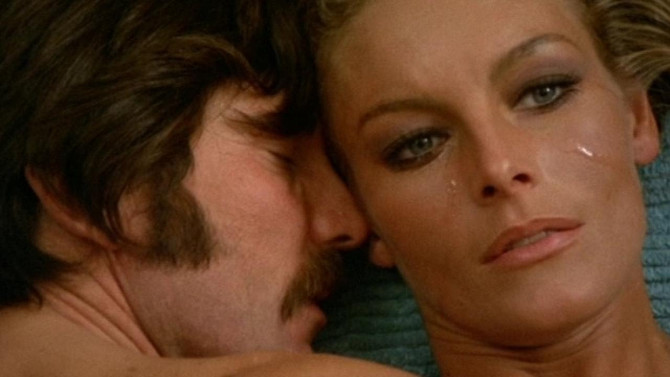
Who Saw Her Die?February 13, 2020Like a copycat killer, it is somehow unusual and rather suspicious that anytime a good film idea hits production, it seems like there is another similar project coming down the pipeline. . . sometimes referred to as ‘twin films’, countless examples exist – White House Down and Olympus Has Fallen, Hitchcock and The Girl, The Prestige and The Illusionist, Friends With Benefits and No Strings Attached, Darkest Hour and Churchill, The Descent and The Cave (anyways, you get the idea). Another intriguing example finds the horror classic Don’t Look Now having a doppelganger in the 1972 Aldo Lado directed giallo Who Saw Her Die? – though don’t jump to conclusions as to which one is the knock-off. Released a year prior to the 1973 feature, Who Saw Her Die? also finds itself set in the eerily beautiful city of Venice, where a couple is dealing with the death of their child. With numerous similarities, like a water-set funeral and an intimate sex scene, and though the set up and settings are similar, in many ways, they are separate entities.