 Films That Matter
Four Flies in the Ointment
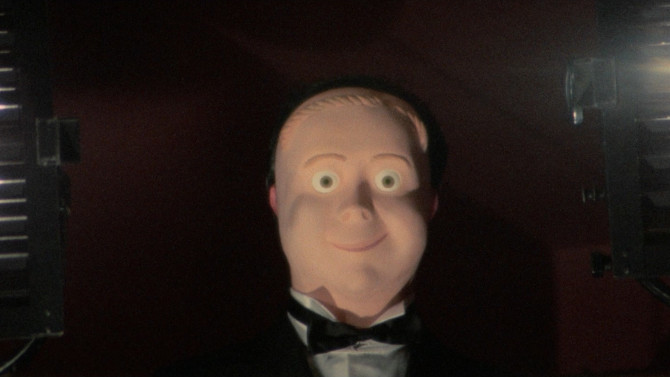
The third and final film in Dario Argento’s gialli ‘Animal Trilogy’ – following The Bird with the Crystal Plumage and The Cat o’ Nine Tails – 1971's Four Flies on Grey Velvet, like the others, aren’t truly connected by anything other than their quirky titles and mystery thriller themes. A vexing conundrum for our protagonist, rock drummer Roberto Tobias (Michael Brandon), he constantly seems to be tracked by a shady looking individual (Calisto Calisti). Finally having enough, he does his own stalking, following the individual into an empty hall.
-
Auld Lang Five
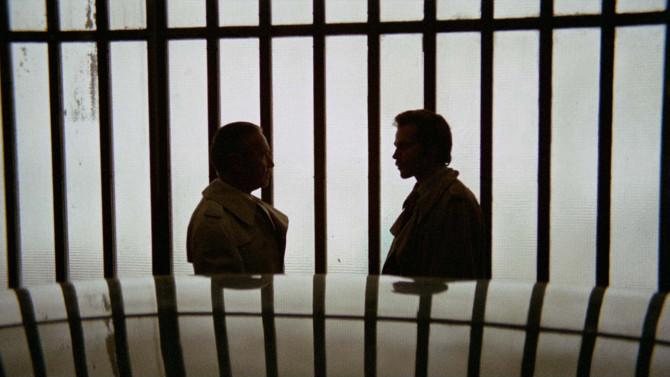
The Fifth CordMay 21, 2019New Year’s Eve, a time meant for love and remembering old friendships, is ironically the start point of the 1971 giallo The Fifth Cord (directed by Luigi Bazzoni – The Possessed). Introduced by a disguised voice-over of a murderer planning his next victim, the psychedelic night club, which will introduce a number of main players in the sordid tale, is distortedly shown through a fisheye lens (using a long tracking shot, no less), Ennio Morricone music blaring, alcohol flowing as people strut, snarl, sulk, and stalk. Not long after people have departed the party, one of the goers, an English language teacher from Australia teaching in Rome, John Lubbock (Maurizio Bonuglia), is brutally attacked in a tunnel on his way home. . . and it seems as though the assailant had murder on his or her mind – while the only clue left behind is a black glove with its thumb removed (according to the police, this suggests that four other victims are likely to be in the would-be killer’s sight).
-
The Lady of the Lake
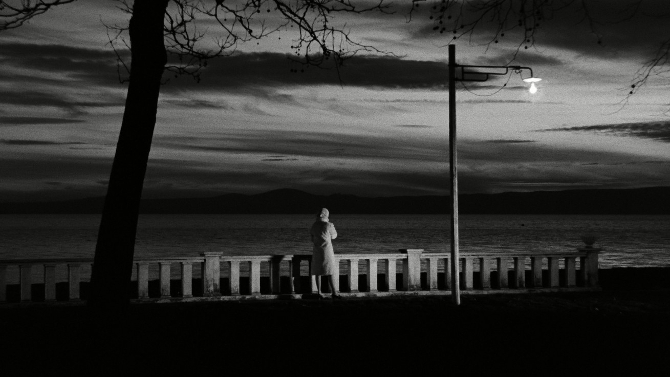
The PossessedApril 28, 2019An acclaimed author – disenchanted, empty, and broken. . . a man seemingly doomed to repeat his history, returns to a small Italian town that sits upon a lake (during its off season), looking for a maid he once loved – told she has committed suicide, an abstract mystery holds the man transfixed, living a story that could be his newest novel. In America, titled The Possessed (1965), around the world it is known as The Lady of the Lake, under either moniker, it is a fascinating Italian crossbreed directed by two very different individuals, journeyman Luigi Bazzoni (The Fifth Cord) and Franco Rossellini (his only directorial effort, he is the nephew of famed filmmaker Roberto Rossellini). . . a fascinating combination of lurid pop sensation and art film neo-realism.
-
Shedding Your Skin
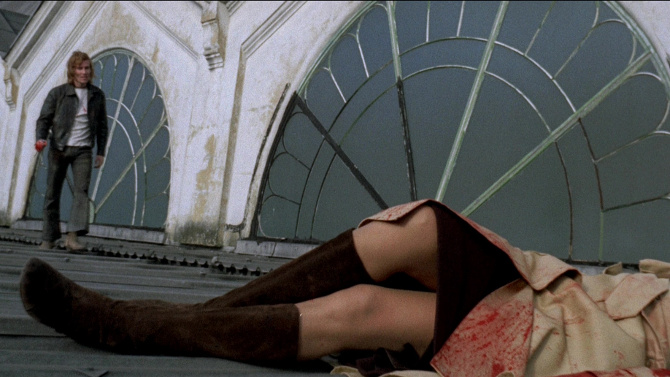
A Lizard in a Woman's SkinSeptember 28, 2018What looks to be an open and shut case, Lucio Fulci perverts a seemingly simple murder mystery with suspicious individuals and numerous red herrings in 1971's intriguingly titled giallo, A Lizard in a Woman’s Skin. Carol Hammond (Florinda Bolkan) is a bored London housewife, married to her staid husband, Frank (Jean Sorel), mother to an ungrateful step-daughter, Joan (Ely Galleani), and daughter to a famed lawyer and big time politician, Edmund Brighton (Leo Genn). Haunted by her subconscious, she often dreams that she has found her way over to her wild-child next door neighbour’s pad, Julia Durer (Anita Strindberg) – a sex-kitten known for throwing massive drug-fuelled orgies. Fulci perfectly encapsulates the situation with an amazing transition – visions of her dreams cut to her husband using a nut-cracker at one of their typically boring dinners, as well as a nicely used split screen shot.
-
Sitting Ducks
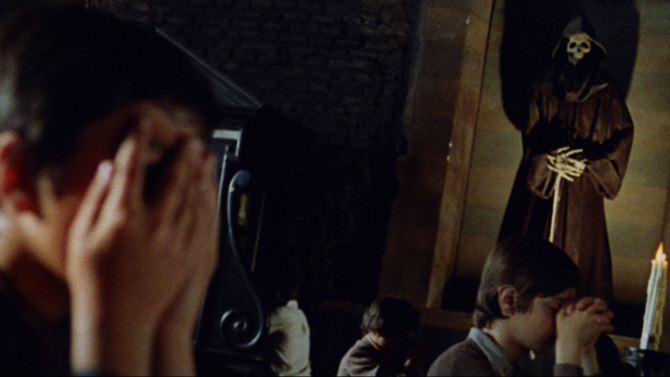
Don't Torture a DucklingApril 8, 2018With a long list of suspects, Lucio Fulci’s Italian giallo Don’t Torture a Duckling revels in its mystery, a small town southern Italian caper that does not, in fact, contain any fowl play – though it does have almost every other aspect of foul play imaginable. Introduced to three tween boys, they are the type of scamps that get into all sorts of shenanigans. Spotting the arrival of some out of town prostitutes, they follow the trail to an abandoned house, keeping informed of all of the sordid action. They see Giuseppe Barra (Vito Passeri), a simple-minded peeping Tom enjoying the view, and he takes offense when they tease him.
-
Death Becomes Him
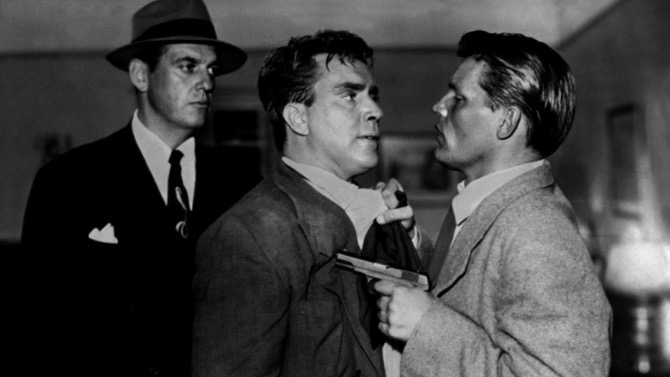
D.O.A.November 12, 2017Talk about a hook of an opener – an extended tracking shot follows a man from behind as he enters a police station to report a murder. . . his own, and, rather interestingly, it seems as though the detectives were waiting for him. The man – Frank Bigelow (Edmond O’Brien); the film noir, D.O.A., a 1949 mystery directed by Rudolph Maté (a man who made several quality movies, though is better known for his superlative work as a cinematographer – think of Carl Theodor Dreyer’s two silent masterpieces The Passion of Joan of Arc and Vampyr, or later, Alfred Hitchcock’s Foreign Correspondent, Ernst Lubitsch’s To Be or Not to Be and Charles Vidor’s Gilda). Bigelow narrates his story to the men, transporting us back to the beginning of the tale.
-
Without Reservation
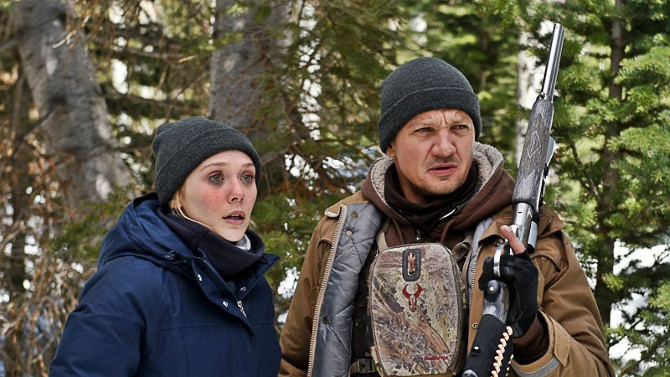
Wind RiverSeptember 5, 2017Sending a cold brisk current down the viewers’ spine, Taylor Sheridan’s Wind River is a darkly piercing mystery crime thriller with an old school western vibe. Providing the film with a unique spin much like another story he penned, Hell or High Water (which earned Sheridan an Academy Award nomination), the motion picture has the feel of a traditional western updated with modern topics and themes. Like a John Ford epic, you’ll find a posse searching for answers, characters chock full of bravery, a sort of wild lawlessness, and picturesque yet harsh locales, though this is not set in the blistering deserts of the nineteenth century wild west, but rather on an Indian reserve in present day Montana, where the chilling wind blows a substance no less forgiving – snow.