 Films That Matter
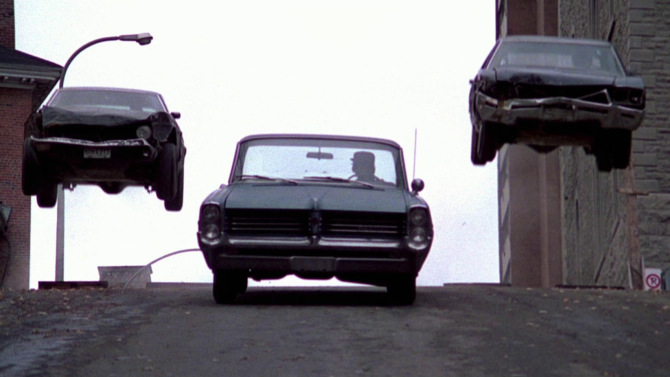
Montreal Magnum
When it comes to car chase scenes, the one that is always highlighted, and for good reason, is from Peter Yates’ 1968 action thriller Bullitt starring Steve McQueen... but some eight years later, the city of San Francisco was replaced by Montreal, Quebec in this little known Italian production with quite the epic speedy sequence of its own, Shadows in an Empty Room (1976), directed by Alberto De Martino. Fusing this touch of Bullitt with a Dirty Harry style storyline – hence why it is called Blazing Magnum in some markets (including the UK), while also including a hint of the ever popular at the time 70s giallo for some murder mystery elements, the narrative follows gritty, hard as nails Ottawa cop Capt. Tony Saitta (Stuart Whitman) as he dispatches some bank robbers in his own city... before getting the tragic call that his much younger sister, Louise (Carole Laure – Sweet Movie), who lives in Montreal, has died under very suspicious circumstances.
-

Westerns, Eastwood Style
High Plains DrifterMarch 10, 2014It is hard to believe that Clint Eastwood has been directing movies for over four decades. His second directorial effort, the 1973 western High Plains Drifter, is now celebrating its 40th year.
-
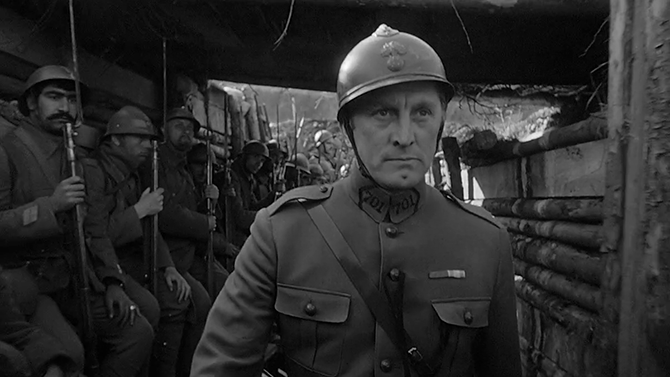
War, What is it Good For?
Paths of GloryMarch 2, 2014Stanley Kubrick, one of the great directors of the 20th Century, was a unique artist who was able to experiment with many different genres throughout his four plus decades of work. From film noir to horror, Kubrick’s movies were varied so that no two were similar, other than perhaps in theme. Of his 13 motion pictures, only two were war based, with the 1987 Vietnam narrative Full Metal Jacket being one of his most iconic. Yet, I am going to talk about his earlier anti-war film, the 1957 classic Paths of Glory.
-

Cuckoo’s Nest a Classic Film
One Flew Over the Cuckoo's NestFebruary 23, 2014We are now less than one week away from the Academy Awards and I thought it would be a good time to visit one of the biggest Oscar winning movies of the 1970's – the classic 1975 motion picture One Flew Over the Cuckoo’s Nest – which took home five of the biggest prizes; namely, Best Picture (a young Michael Douglas won for producing the movie), Best Actor in a Leading Role, Best Actress in a Leading Role, Best Director and Best Adapted Screenplay.
-
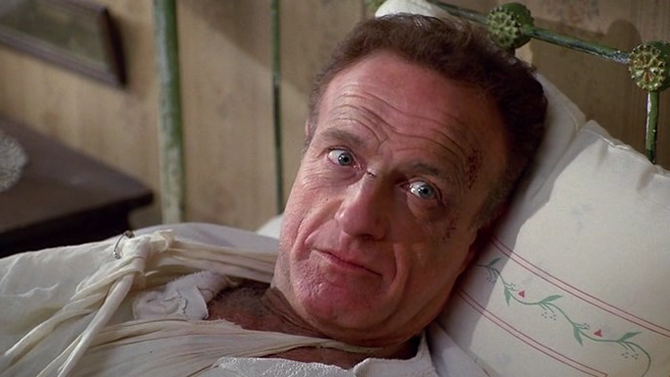
‘Misery’ Anything But for Film Audiences
MiseryFebruary 17, 2014After looking at an Academy Award winning picture in Casablanca and a best actor in a leading role in Philip Seymour Hoffman in Capote, it is time to look at a female lead that has taken home the big prize. This will also be the first movie that I have looked at that is an adaptation of one of horror maestro Stephen King’s novels. As those of you who watch a lot of movies will know, Stephen King’s creations usually turn out one of two ways on film – an absolute train wreck or an entertaining and very strong effort; this movie falls into the latter category. By this point, some of you may have already figured out that I am reviewing the 1990 dramatic thriller Misery.
-

Hoffman a True Talent
CapoteFebruary 9, 2014In this second week of looking at some of the best Oscar winning movies and performances of all-time, I must once again begin an article with a melancholic note as another Hollywood great, Philip Seymour Hoffman, passed away last week at the age of forty-six. The talented character actor was able to bring forth complex, varied and nuanced performances throughout his career, with his Oscar winning role of Truman Capote, in the 2005 movie Capote, being a perfect depiction of his amazing talents.
-
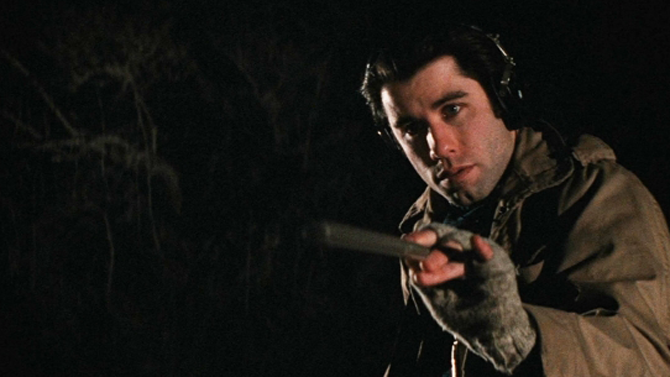
A Tribute to the Master of Suspense
Blow OutJanuary 26, 2014Alfred Hitchcock is often considered to be one of the greatest directors of all-time and I would have to agree with that assessment. His genius at building a suspenseful story through the camera lens in films such as Vertigo, The Birds, Rear Window, North By Northwest, to name a few, place him at the top of the list. One active director who would wholeheartedly agree is Brian De Palma.