 Films That Matter
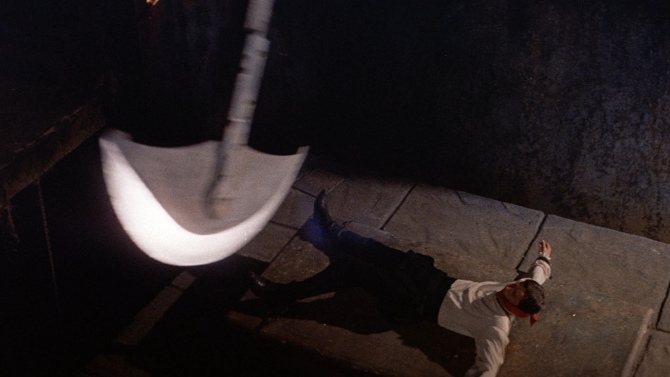
Pit Stop
After Roger Corman’s major success with House of Usher (1960), he promptly turned to adapting another Edgar Allan Poe story to start a franchise of sorts, with The Pit and the Pendulum (1961) being an even bigger win... with it making over two million dollars on a modest budget of only three hundred thousand. Getting Vincent Price (House of Wax; Laura) back after House of Usher’s critical and commercial winnings, this time he plays Nicholas Medina, a tortured soul living in a tomb of a castle with his servants after his gorgeous wife Elizabeth (Barbara Steele – Black Sunday; The Horrible Dr. Hichcock) has seemingly died of a massive heart attack brought on by fright. Feeling as if he is truly cursed, he resides in the same place that his sadistic Spanish Inquisition father once tortured his victims, where his mother and uncle died, and now where his wife has met her untimely end. It has become so bad that even Nicholas’ sister Catherine (Luana Anders) has returned home to try and ease his sorrows.
-
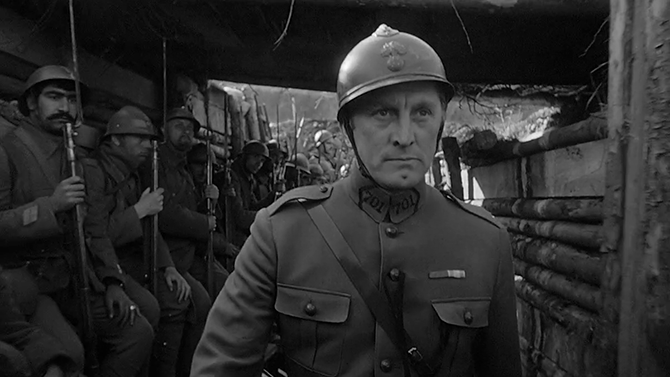
War, What is it Good For?
Paths of GloryMarch 2, 2014Stanley Kubrick, one of the great directors of the 20th Century, was a unique artist who was able to experiment with many different genres throughout his four plus decades of work. From film noir to horror, Kubrick’s movies were varied so that no two were similar, other than perhaps in theme. Of his 13 motion pictures, only two were war based, with the 1987 Vietnam narrative Full Metal Jacket being one of his most iconic. Yet, I am going to talk about his earlier anti-war film, the 1957 classic Paths of Glory.
-
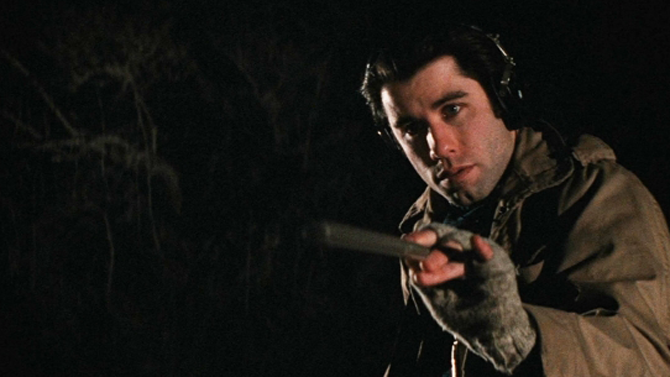
A Tribute to the Master of Suspense
Blow OutJanuary 26, 2014Alfred Hitchcock is often considered to be one of the greatest directors of all-time and I would have to agree with that assessment. His genius at building a suspenseful story through the camera lens in films such as Vertigo, The Birds, Rear Window, North By Northwest, to name a few, place him at the top of the list. One active director who would wholeheartedly agree is Brian De Palma.
-
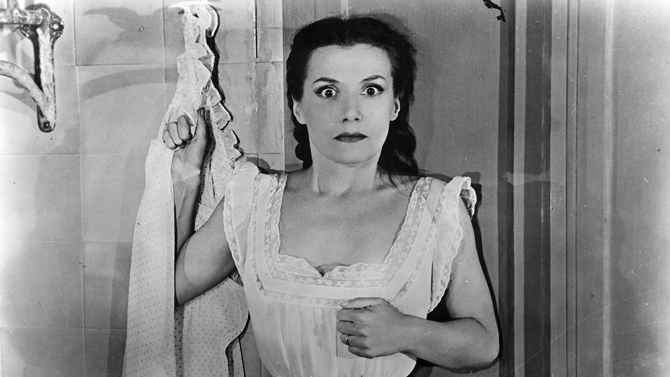
Not That Clouseau
DiaboliqueOctober 30, 2013When hearing the name Clouseau, most people automatically think of the bumbling French detective made famous by comedy genius Peter Sellers in the Pink Panther movies, or the uninspired remakes with Steve Martin. Yet I am not referring to that character, instead I am talking about serious film director Henri-Georges Clouzot who directed the horror mystery/thriller Les Diaboliques in 1955.
-
The Vintage Horror Feel
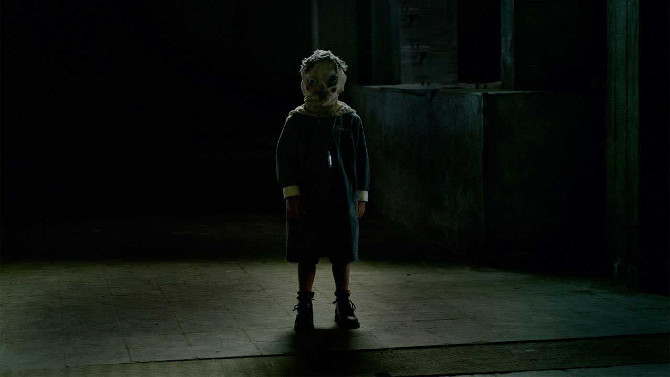
The OrphanageOctober 16, 2013Too many horror movies today tend to go for cheap thrills, such as jump-scares and graphic violence, rather than focusing on what makes the genre so special – slow-building suspense and a thick and eerie atmosphere. There is nothing wrong with mixing the two together, but too often directors forget about the mood of the film altogether. It is quite rare to find slow-burning and cleverly crafted horror films such as past classics like The Shining or The Changeling. Some of the most recent motion pictures that do capture this more vintage style of horror film are from Spanish speaking countries such as Spain and Mexico. It has been quite impressive to watch the sizeable amount of these style of horror films emerge over the past decade or so. One such film is the 2007 horror flick The Orphanage.
-
King Arthur Tale Told in All of its Glory
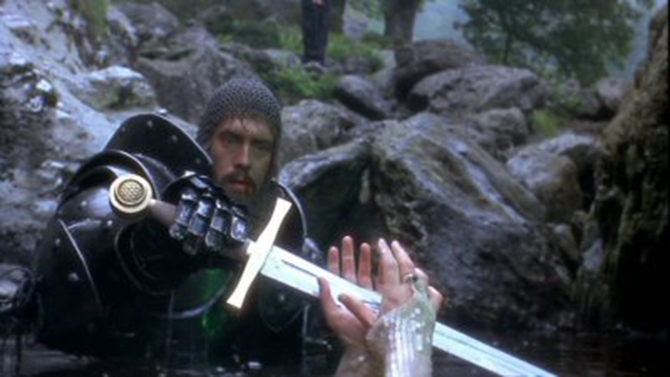
ExcaliburAugust 14, 2013There have been many attempts at turning the King Arthur legend into film – from bloated action tales and Cold War bewilderment (where the villains wear Soviet Union red outfits), to animated Disney classics, but the movie that best captures the true essence of the historic tale is the 1981 John Boorman (Deliverance) epic Excalibur.
-
What’s in that Box?
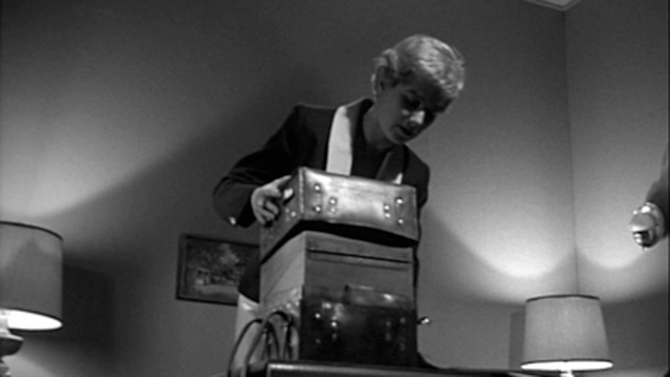
Kiss Me DeadlyAugust 7, 2013Fans of Quentin Tarantino and his iconic crime thriller Pulp Fiction may remember the cryptic glowing briefcase with the lock that is opened by the number 666 which is held by John Travolta and Samuel L. Jackson. This mysterious plot device was borrowed from one of the last great film noir pictures from that genre’s classical era, 1955's Kiss Me Deadly. Similarly, this gimmick was also used (but this time in the trunk of an automobile) in the Alex Cox 1984 cult classic Repo Man, starring Harry Dean Stanton and Emilio Estevez.