 Films That Matter
Good Omen/Bad Omen
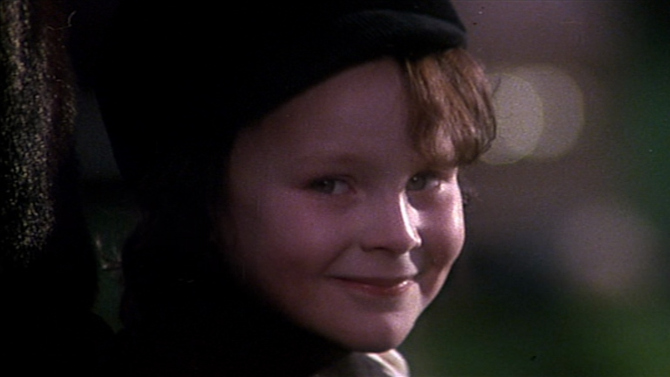
Not the type of movie that will make you want to consider adoption, The Omen (1976) is the horror film that put director Richard Donner on the map. . . after which he would go on to an illustrious career, making feature films like Superman (1978), The Goonies (1985), the Lethal Weapon franchise (1987-1998), 16 Blocks (2006), as well as many others. A bit like the anti-Christ precursor to the Final Destination franchise, American diplomat Robert Thorn (Gregory Peck – Cape Fear; To Kill a Mockingbird) has a difficult decision to make... as the on duty chaplain Father Spiletto (Martin Benson) offers him another child whose mother has passed at the same time that his baby sadly died upon its first breath. His wife Katherine (Lee Remick), unconscious from the arduous birthing, has no clue that this has happened to their newborn child.
-
Good Omen/Bad Omen
The OmenOctober 25, 2026Not the type of movie that will make you want to consider adoption, The Omen (1976) is the horror film that put director Richard Donner on the map. . . after which he would go on to an illustrious career, making feature films like Superman (1978), The Goonies (1985), the Lethal Weapon franchise (1987-1998), 16 Blocks (2006), as well as many others. A bit like the anti-Christ precursor to the Final Destination franchise, American diplomat Robert Thorn (Gregory Peck – Cape Fear; To Kill a Mockingbird) has a difficult decision to make... as the on duty chaplain Father Spiletto (Martin Benson) offers him another child whose mother has passed at the same time that his baby sadly died upon its first breath. His wife Katherine (Lee Remick), unconscious from the arduous birthing, has no clue that this has happened to their newborn child.
-
What Could Have Been: The Black Cat
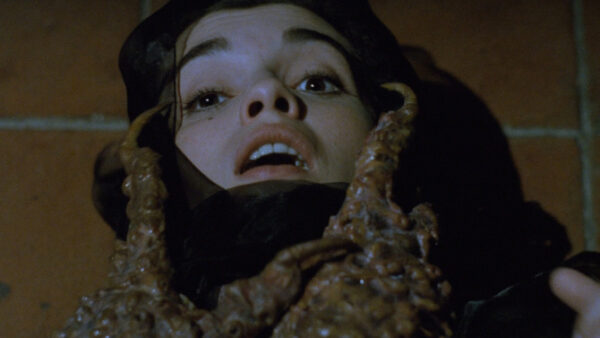
October 22, 2026Talk about a rather convoluted story. Writer/director Luigi Cozzi’s The Black Cat (1989), which seemingly would be named after the famed horror short story by Edgar Allan Poe – which helped inspire other films such as 1934 and 1981's The Black Cat (the latter reviewed here on Filmizon.com), 1934's Maniac, Roger Corman’s 1962 anthology Tales of Horror, 1973's Your Vice is a Locked Room and Only I Have the Key (also reviewed here), as well as 2016's Tomcat, when, in actuality, it has nothing at all to do with this tale... it instead simply being a film within a film that the actors are working on in this movie’s narrative.
-
Missed the Bloody Cut: 2026 (Part 1)
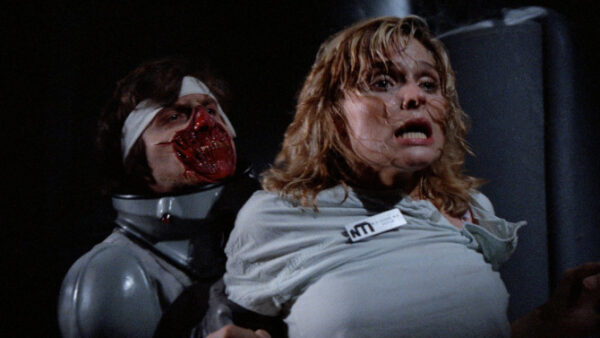
October 19, 2026The first Missed the Bloody Cut horror selection of this 2026, here are some more horror movies that did not meet my strict criteria (a rating of 7.0 or higher)... but are still entertaining films (horror fanatics may enjoy) that do not deserve to be shrugged off like a slow walking group of mindless creatures – and that are definitely worth a watch (just maybe not several re-watches).
-
Boo Business
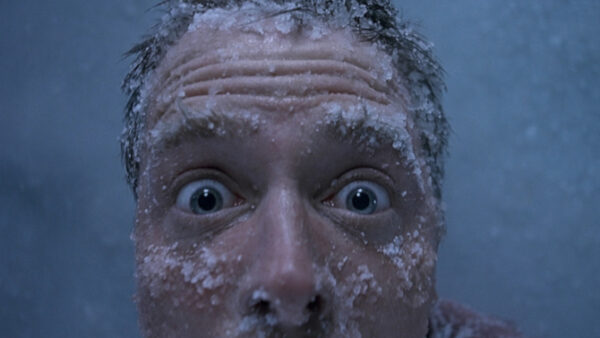
The FrightenersOctober 15, 2026A comedy tinged horror film, The Frighteners (1996) was actually the feature Peter Jackson co-wrote and directed right before moving onto The Lord of the Rings trilogy... and funnily enough, both The Fellowship of the Ring and today’s picture are celebrating worthy milestones this year – 25 and 30 years. Co-written along with longtime writing partner Fran Walsh, the story follows Frank Bannister (Michael J. Fox), who after suffering some memory loss after a car accident that killed his wife, now has the bizarre ability to see and communicate with the ghosts who have not ‘moved on’.
-
What Could Have Been: Blood from the Mummy’s Tomb
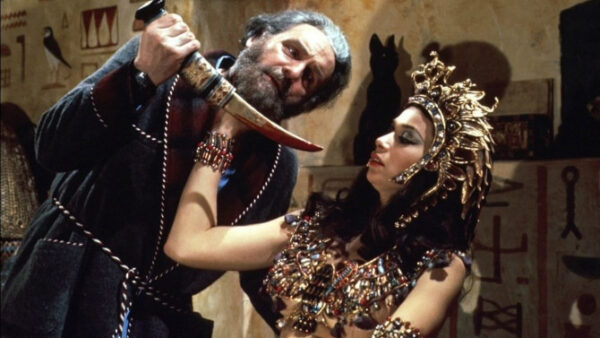
October 12, 2026Sometimes a movie is born under a bad sign, and sometimes it just so happens to be a horror movie (ironic, as this one also has to do with the astronomical alignment of the stars – specifically the big dipper). In 1971, Hammer released Blood from the Mummy’s Tomb... which, during its production, lost icon Peter Cushing to his wife getting very ill, its director Seth Holt dying before completion, while Holt was also planning on editing the picture – meaning when he passed, he never left any idea of how the whole thing was going to be put together to create a finished product. After Holt’s passing, Michael Carreras stepped right into the project to finish the directing with Peter Weatherley tasked with editing it all together. All rewrites which were still being done while Holt was directing were cancelled upon his death, which also couldn’t have helped.
-
Stolen Fruit is the Sweetest
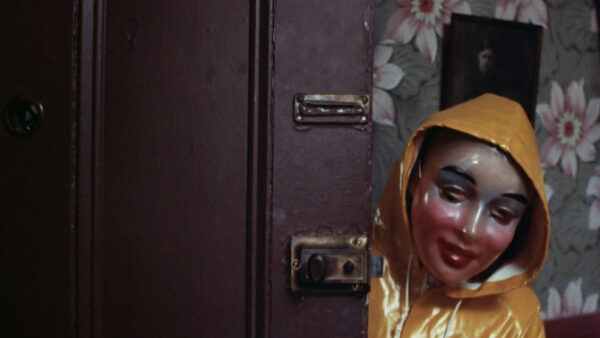
Alice, Sweet AliceOctober 8, 2026Not talked about nearly as much as influential horror films like The Texas Chainsaw Massacre (1974), Black Christmas (1974), and Halloween (1978), in 1976 Alfred Sole co-wrote and directed Alice, Sweet Alice... very early on known as Communion and later on as Holy Terror, another pre-cursor to the slasher craze that would soon thrive during the early 1980s. With seeming touches of a gialli influence, funnily enough, Sole claims to have never seen a giallo before making the film... instead, pulling from the ever influential Alfred Hitchcock, and more precisely, Nicolas Roeg’s Don’t Look Now (1973) – which can clearly be seen here.