 Films That Matter
A Deadly Good Time
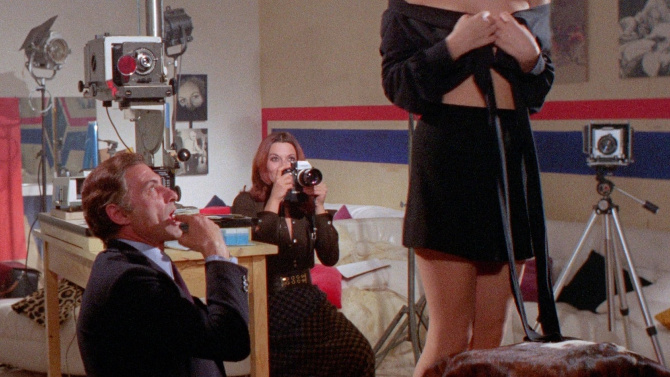
A slightly more obscure giallo released during the heyday of the craze, co-writer/director Silvio Amadio’s Smile Before Death (1972) is a psychological mystery thriller that certainly pushes the boundaries of the already boundary-pushing Italian genre. Amadio starts with a wild opener, as wealthy Dorothy Emerson (Zora Gheorgieva) is found brutally murdered by an unknown assailant... with it promptly being classified as a suicide by the incompetent police, this then turns into a slow burner of sorts.
-
Shadowy Past Equals Grave Future
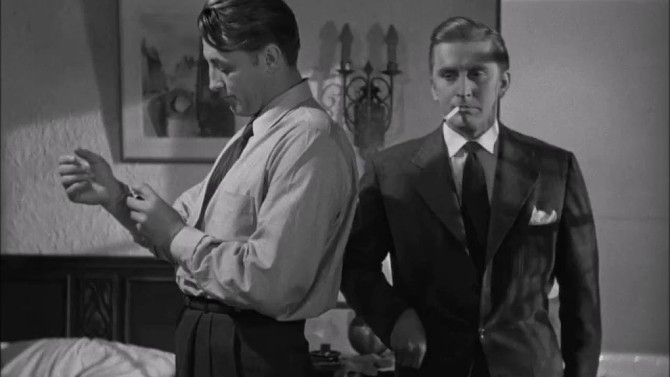
Out of the PastNovember 4, 2016Though we have all become accustomed to November being coined Movember, there is another moniker that is perhaps lesser known. ‘Noirvember’ has, over the last few years, gone viral, making this eleventh month of the year the perfect one to celebrate the shadowy, gloom filled, doom-laden film noirs of the 1940s and 50s. So, I thought I would start us off with a bang by reviewing the classic 1947 crime noir Out of the Past. Written by Daniel Mainwaring (he wrote the screenplay and the novel the film is based off of under the pseudonym Geoffrey Homes – titled "Build My Gallows High") and directed by Jacques Tourneur (Cat People), past mistakes meet present danger when gas station owner Jeff Bailey (Robert Mitchum), who has been hiding in a small California town after a torrid life, is tracked down by Joe Stefanos (Paul Valentine), a trusted henchman for a smooth but sketchy gangster named Whit Sterling (Kirk Douglas).
-
Highway to Hell or High Water
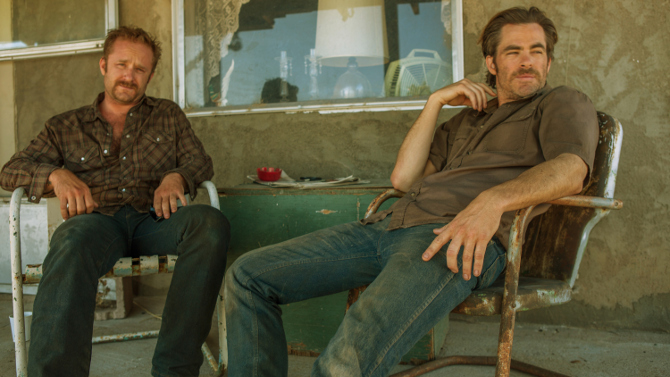
Hell or High WaterOctober 7, 2016Taking characters from the classic western and transporting them into the modern age, Hell or High Water has its requisite share of cowboys, Indians, and cops and robbers, though it cleverly pairs the cowboy and Indian as two Texas Rangers hunting down a pair of outlaw bank robbers. Written by Taylor Sheridan and directed by David Mackenzie, the story follows brothers Tanner (Ben Foster) and Toby Howard (Chris Pine) as they travel through small Texas towns, robbing bank after bank as they go. Tanner, the older sibling, is a wild card criminal who has spent ten of his thirty-nine years behind bars. The brains of the operation, however, is Toby, a charming, clever man who meticulously plans each robbery. He has a melancholic aura, as the death of his mother, as well as a strained relationship with his ex-wife and two sons, has left him flapping alone in the wind.
-

A Barrel of Bloody Laughs
Lock, Stock and Two Smoking BarrelsSeptember 18, 2016Numerous robberies, black market sales, an underground high stakes poker game, and traffic violations abound in Guy Richie’s first motion picture – Lock, Stock and Two Smoking Barrels. Featuring the now iconic director’s signature style, Richie fills his intricately plotted, multifaceted storyline with fast paced editing, even faster paced dialogue, his oddball sense of humour, rich personas, and eye-catching style that consists of both sepia tones as well as vivid colours. Though the tale consists of many varied characters, Eddy (Nick Moran), Tom (Jason Flemyng), Soap (Dexter Fletcher) and Bacon (Jason Statham) make up the main gang. They are a group of friends that have been together since childhood and have been small time crooks for nearly as long.
-
Star Pick with Sean Astin
 I Love L.A. . . . ConfidentialL.A. ConfidentialSeptember 13, 2016
A few months back, I was fortunate enough to speak with Sean Astin. For those of you who have been living under a rock for the past three decades, Astin has starred in a plethora of memorable classics. With his mother being the late Patty Duke (Oscar winner – The Miracle Worker), he had large shoes to fill. Starting off with a bang, Astin, in his early teenage years, took on the role of Mikey in Richard Donner’s 1985 fantasy flick The Goonies. Following this, he has continued making wonderful motion pictures, including 1993's Rudy, 1998's Bulworth, as well as playing the beloved role of Samwise Gamgee in Peter Jackson’s The Lord of the Rings trilogy. He also showed off his comedic talents in 2004's 50 First Dates and 2006's Click. He has also conquered the television world, portraying Lynn McGill in ‘Day 5’ of 24 (a very strong season), as well as Jim Kent in Guillermo del Toro’s The Strain.
-
Star Pick with Steve Coulter
 Cool Pick for Dog Days of SummerDog Day AfternoonAugust 30, 2016
Back in April of 2016, I sat down with actor Steve Coulter (twice). He was one of the special guests attending the Cornwall and Area Pop Expo (CAPE). The character actor, who has had a plethora of interesting roles over his career, is perhaps best remembered as the kind hearted, intellectual Reg Monroe (the mastermind behind the walled compound of Alexandria) on the ever popular series The Walking Dead. He has also had a recurring role as Amishman Elijah Bowman on the standout Cinemax series Banshee. On the film front, he has worked with horror maestro James Wan an impressive five times, including as Father Gordon in The Conjuring and its sequel, as well as playing Carl in Insidious: Chapter’s 2 and 3. He also portrayed Roger, a lawyer, in one of my favourites – Mr. Brooks. Mr. Coulter was gracious enough to be interviewed twice, once as part of a local Cogeco special, while on day two of CAPE, we chatted all things Banshee. Check out both meetings below to hear some great stories from all the things mentioned above, as well as his favourite film.
-
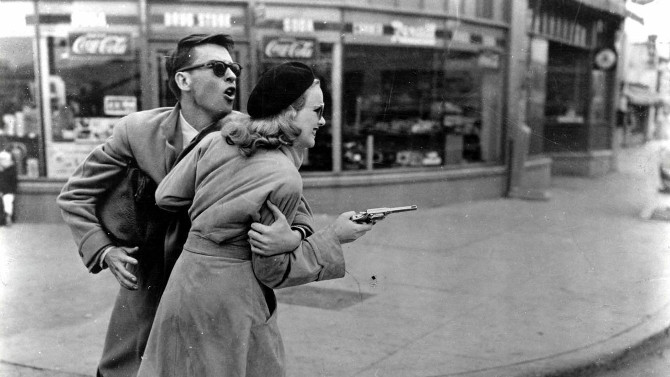
Annie Get Your Gun
Gun CrazyMay 16, 2016I am sure most of you have heard of the classic 1967 crime flick Bonnie and Clyde. Perhaps a film that is lesser known and is also based off of Great Depression bandits Clyde Barrow and Bonnie Parker (though the two characters have different names) is the legendary 1950 film noir Gun Crazy – which, when viewed, will clearly be seen as a precursor to the Warren Beatty and Faye Dunaway offering.

