 Films That Matter
A Deadly Good Time
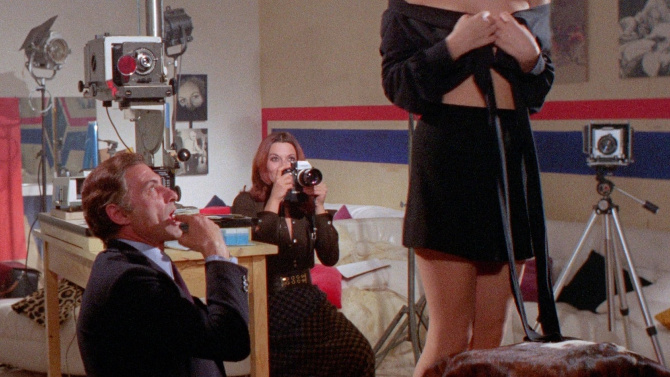
A slightly more obscure giallo released during the heyday of the craze, co-writer/director Silvio Amadio’s Smile Before Death (1972) is a psychological mystery thriller that certainly pushes the boundaries of the already boundary-pushing Italian genre. Amadio starts with a wild opener, as wealthy Dorothy Emerson (Zora Gheorgieva) is found brutally murdered by an unknown assailant... with it promptly being classified as a suicide by the incompetent police, this then turns into a slow burner of sorts.
-
Grave Steps are Taken
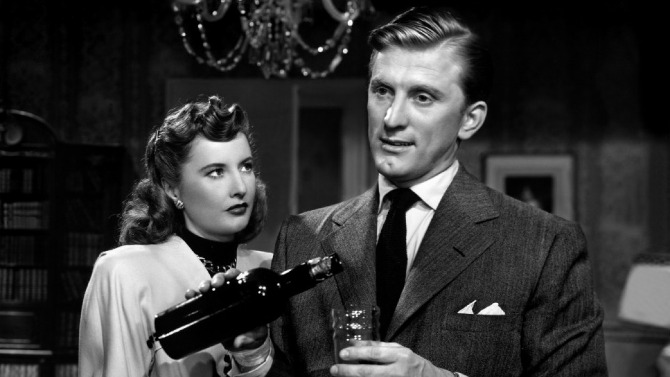
The Strange Love of Martha IversNovember 26, 2017Uniting a superlative film noir cast, 1946's The Strange Love of Martha Ivers, directed by Lewis Milestone (a two time Academy Award winner, one of which he earned for All Quiet on the Western Front), begins with a triumvirate of childhood friends witnessing a crime which forges a unique bond between them, it informing their respective directions into adulthood. Building off of her performance in Double Indemnity two years earlier, Barbara Stanwyck, playing the title character, once again proves why she is one of the all-time great femme fatales. . . a calm, controlled, ruthless Machiavellian puppet master, she not only pulls the strings of her weak and feeble alcoholic husband Walter O’Neil (Kirk Douglas in his first film role – and against type from what we would later know) – who truly loves her, but she also has a manipulative control over the entire city in which she lives – owner of the plant that gives its people their jobs, the police that protect it (thanks to her husband, who is the district attorney), and everything else in between.
-
Thieves in the Night
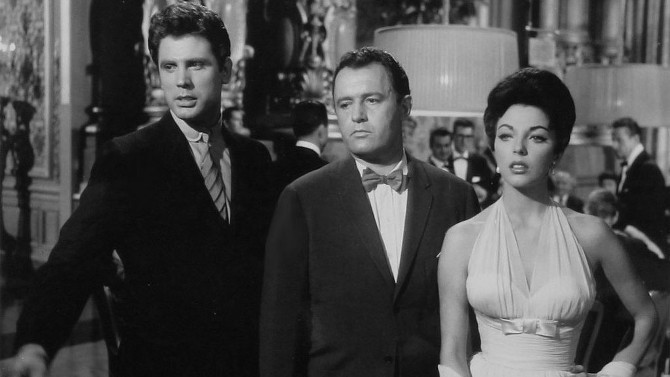
Seven ThievesSeptember 1, 2017Arriving at theatres a few months before the iconic 1960 Lewis Milestone film Ocean’s Eleven, Henry Hathaway’s Seven Thieves is its lesser known forerunner, yet despite being in its long casting shadow, it is a whole lot of fun. Set in Monte Carlo, disgraced professor and scientist Theo Wilkins (Edward G. Robinson) is the mastermind of a daring plot to rob a posh, extravagant casino in the picturesque Principality of Monaco. Uniting a talented group of shady individuals, the aging ringleader has called on longtime American acquaintance Paul Mason (Rod Steiger), a smart man who has worked with Wilkins before, hoping that he will be his right-hand man as well as the iron fist that will keep everyone in line.
-
Point of No Return
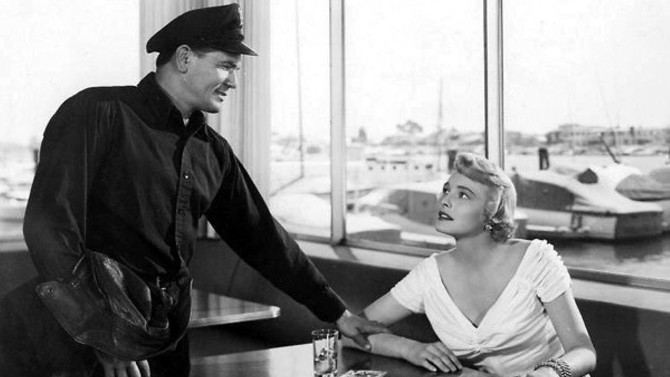
The Breaking PointAugust 11, 2017An atmospheric noir that takes place on both land and sea, Michael Curtiz’s 1950 crime drama The Breaking Point, the second adaptation of Ernest Hemingway’s “To Have and Have Not” (the original, the 1944 version, utilized the novel’s title and paired Humphrey Bogart and Lauren Bacall for the first time), is a gripping tale that never lets you go. A touch less cynical but just as fateful as your prototypical film noir, the narrative follows former marine Harry Morgan (John Garfield), a genuine yet gruff fishing boat captain who has never caught the break he has so hoped for. Working with his loyal-to-a-fault African American first mate, Wesley Park (Juano Hernandez), the pair have been together for twelve years, always just making ends meet.
-
The Saints are Coming. . .
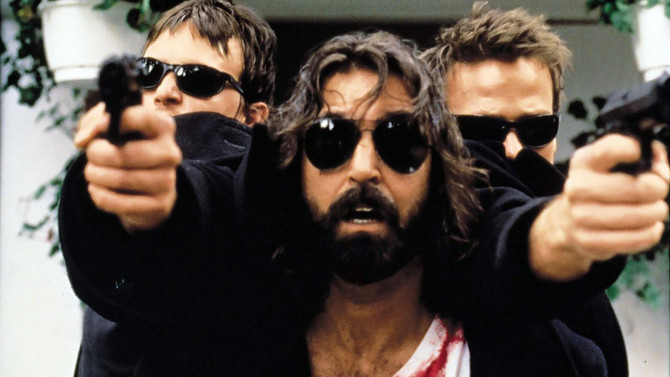
The Boondock SaintsJune 23, 2017If you’ve ever wondered what it would look like for a toilet to be dropped onto a mobster’s head from approximately five stories up, then 1999's Boondock Saints, written and directed by Troy Duffy, may be for you. A rare movie that has been absolutely obliterated by most critics yet loved by an extremely fervent cult following, it is clearly not for everyone. The leads are Catholic Irish American twins, Connor (Sean Patrick Flanery) and Murphy MacManus (Norman Reedus), a pair of impoverished Bostonians who work at a meat packing plant. Friends with a low level Italian mob runner, Rocco – aka ‘Funny Man’ (David Della Rocco), the triumvirate are enjoying a few pints on St. Patrick’s Day when some Russian thugs come into the bar and unceremoniously tell them that it is closed and now under their control. The goons are overrun by the patrons, embarrassed at their own game. It does not take long for the Russians to track down their combatants from the previous night, looking to respond by putting a few bullets into them. The twins are somehow able to fight them off (killing them in the fray), but panic and flee the scene.
-
In the Cross Hairs
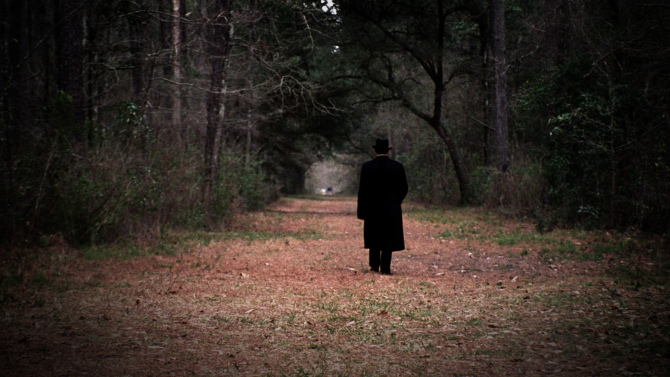
Miller's CrossingJune 11, 2017The Coen brothers’ third feature film, 1990's Miller’s Crossing, once again pays tribute to the hard boiled noirs of old, much like their first motion picture, Blood Simple.. Set during the Prohibition Era, the story draws us into the beginnings of an all out gang war. The unofficial king of the city is aging Irishman Leo (Albert Finney), a well connected guy who often leans on his right hand man, Tom Reagan (Gabriel Byrne), for advice and leadership amongst his pack of goons. Tom is a degenerate gambler going through a rough patch.
-
Star Pick with John Stocker
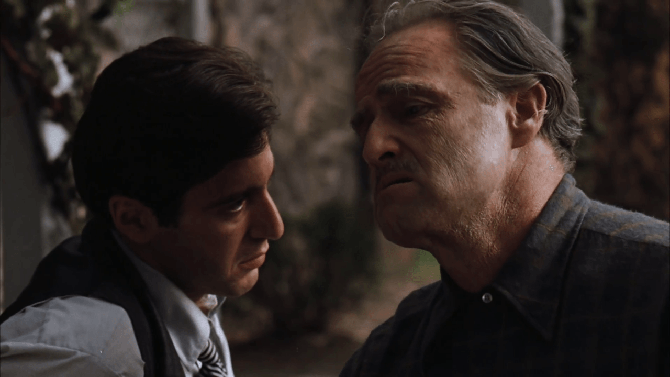
 The VoiceThe GodfatherMay 26, 2017
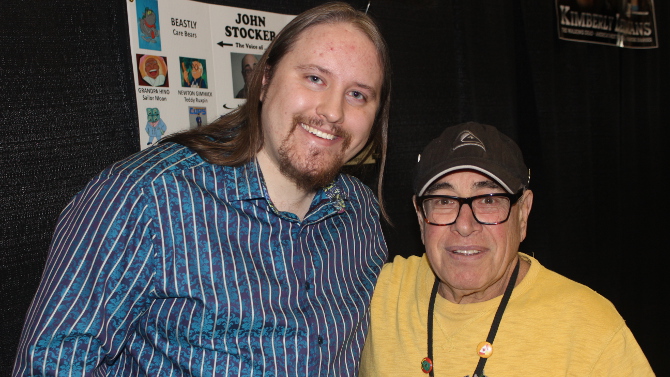
Anyone who grew up in the 1980s to mid 90s will fondly recall the wide array of quality animated shows that graced the television screen. The Teenage Mutant Ninja Turtles, Rupert and Dragon Ball Z may come to mind, perhaps the only three shows that acclaimed voice actor, and today’s Star Pick John Stocker, did not do a voice on in this era of superlative children’s programming. Working since the 1960s, Stocker has been an integral part of the animated field for more than forty years. With one hundred and thirty seven acting credits alone, the sometimes voice director has an illustrious pedigree, to say the least. Beginning with perhaps his most acclaimed turn, henchman Mr. Beastly in The Care Bears, he gave the character a maniacal laugh for the ages, along with a rich, textured voice that brings to life the entertaining yet clumsy hijinks of the never successful villain who had a good heart deep down.