 Films That Matter
Montreal Magnum
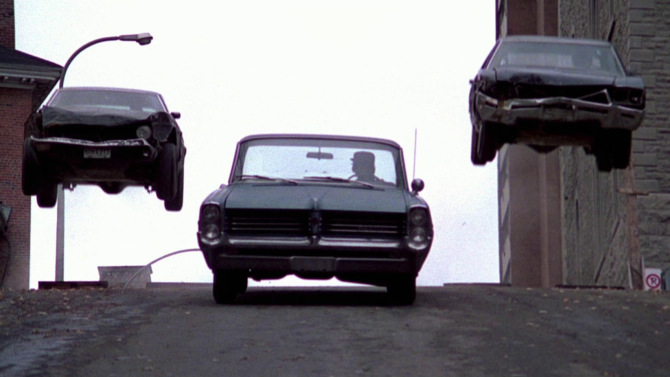
When it comes to car chase scenes, the one that is always highlighted, and for good reason, is from Peter Yates’ 1968 action thriller Bullitt starring Steve McQueen... but some eight years later, the city of San Francisco was replaced by Montreal, Quebec in this little known Italian production with quite the epic speedy sequence of its own, Shadows in an Empty Room (1976), directed by Alberto De Martino. Fusing this touch of Bullitt with a Dirty Harry style storyline – hence why it is called Blazing Magnum in some markets (including the UK), while also including a hint of the ever popular at the time 70s giallo for some murder mystery elements, the narrative follows gritty, hard as nails Ottawa cop Capt. Tony Saitta (Stuart Whitman) as he dispatches some bank robbers in his own city... before getting the tragic call that his much younger sister, Louise (Carole Laure – Sweet Movie), who lives in Montreal, has died under very suspicious circumstances.
-

What to Get the Man Who has Everything
The GameMarch 28, 2014Before I refer to the main title, I must first announce that long-time character actor James Rebhorn passed away last week at the age of 65. Though perhaps not a household name, the tall balding man (who looked the same age for as long as I can remember) will surely be missed, as he played small yet memorable roles for more than 30 years.
-
A Tribute to the Master of Suspense
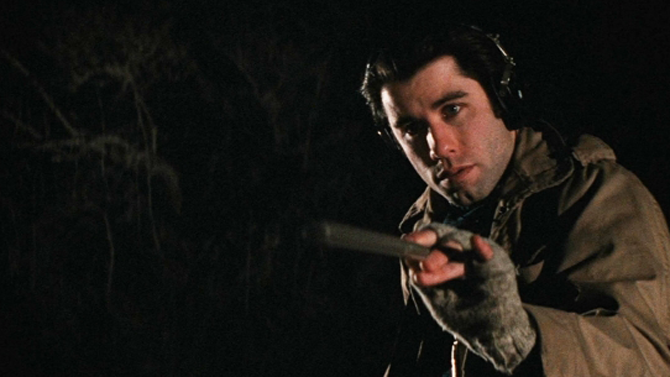
Blow OutJanuary 26, 2014Alfred Hitchcock is often considered to be one of the greatest directors of all-time and I would have to agree with that assessment. His genius at building a suspenseful story through the camera lens in films such as Vertigo, The Birds, Rear Window, North By Northwest, to name a few, place him at the top of the list. One active director who would wholeheartedly agree is Brian De Palma.
-

British Fare Serves Up Tasty Christmas Treat
Love ActuallyDecember 15, 2013After last week’s action-packed Christmas review of Die Hard, I think it is time to reset our bearings and capture a more Christmas-y feel. The 2003 romantic comedy Love Actually, written and directed by Richard Curtis (Mr. Bean, Bridget Jones’s Diary), fits the bill.
-

Ice Cream and Blood
Hot FuzzNovember 21, 2013This may seem like an odd combination and strange title, but it is actually the name of a trilogy of British movies (also known as the Cornetto Trilogy – a type of ice-cream in the UK). Directed by Edgar Wright and starring Simon Pegg and Nick Frost, the films pay comedic homage to different genres. You may ask how the three movies connect together – they do not. All three movies have Pegg and Frost playing completely different characters. The only thing the three motion pictures have in common is that there is a lot of ice-cream and blood in them. One of the benefits of the no-connect trilogy is that you can watch them in any order. Today, I am going to review the second film, 2007's Hot Fuzz.
-

Modern-day Fairy Tale
HannaJuly 31, 2013The modern-day fairy tale film seems to have become the typical Disney cookie-cutter movie. They usually follow similar formats: wicked witch captures young girl, princess needs to be rescued or male hero saves the day, yet very few pictures capture the eerie and often scary vibe of the original fairytales that these stories are based on. It is amazing how graphic and frightening the Grimm tales and other similar stories actually are.
-

Take a Ride on the Wild Side
Something WildJuly 8, 2013It is unusual to find a film that is able to effectively change direction, speaking in the genre sense, without losing steam, confusing viewers, or ruining the flow of the movie. Yet, when properly done, these twists and turns can take you on a wild and entertaining ride to somewhere completely unexpected. This is what the 1986 motion picture Something Wild does effortlessly.