 Films That Matter
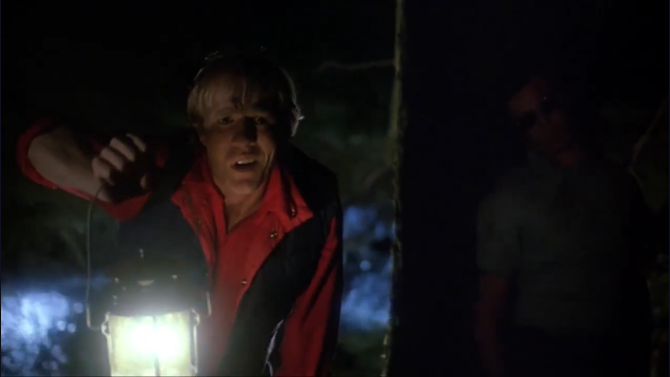
Dawn of the Dread
Today’s feature really had me divided as to where it should be placed on my site – in a ‘Missed the Bloody Cut’ feature, a ‘What Could Have Been’ analysis, or as a typical ‘review’... I decided to go with the final option. Falling within the burgeoning slasher horror genre of the early 1980s, Jeff Lieberman co-writes the screenplay and directs Just Before Dawn (1981). Finding a group of friends heading into the Oregon mountains to investigate a plot of land Warren (a young Gregg Henry – Femme Fatale; Guardians of the Galaxy) has inherited, he is joined by his girlfriend Constance (Deborah Benson), another couple in Jonathan (Chris Lemmon) and Megan (Jamie Rose), as well as Jonathan’s brother Daniel (Ralph Seymour) – who has notoriously bad eyesight.
-

Make Space for this Room
RoomJanuary 31, 2016Though most people would call the highly regarded Academy Award nominated film Room a searing drama, to me, if you boil it down to its base element, it is a horror picture – not the type that we now call horror, with chainsaws, gore and excessive violence, but one that causes the viewer to feel fear and shock in the most realistic and human of ways, thus making it a very powerful and hard-hitting viewing experience. And a highly worthwhile one at that.
-

Going Off the Rails On This Crazy Train
SnowpiercerJanuary 24, 2016There is something that has always drawn me to movies that are set on trains. This unique setting boasts many themes that a screenwriter and director can play with. Not only does it lend itself to a claustrophobic place for a mystery thriller, but it also may symbolize the old world, romance or an epic journey. There is also the thinly veiled partition that separates class divisions (travel through a door and you may have plain economy style or lavish burled walnut compartments with sleek curtains where the richest of the rich relax).
-
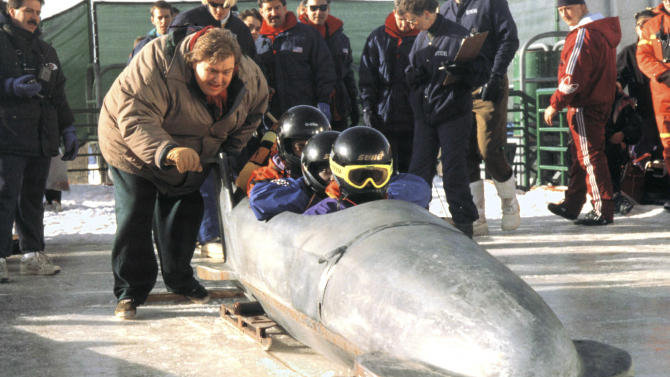
Cool Runnings Warms the Heart
Cool RunningsJanuary 12, 2016The phrase "based on true events" is used a lot in films these days, but as we know, it is a very loose term. Though there are kernels of truth in most of these movies, it is usually just an idea that captures the screenwriters’ imagination which is then turned into his or her own fictionalized version of history. One movie that exemplifies this is the Jon Turteltaub (National Treasure, Last Vegas) Disney flick Cool Runnings.
-
Star Pick with Nathan Andrew Jacobs
 WANTED Someone to Go Back in Time With MeSafety Not GuaranteedJanuary 1, 2016
Sometimes it is not easy to qualify exactly what genre a movie is. Safety Not Guaranteed is one of those films. The 2012 picture was recommended to me by Nathan Andrew Jacobs, the writer/director of the independent film Killing Poe, who stated that it was an excellent Indie film that should be seen by more people.
-
Star Pick with Nathan Andrew Jacobs
 Sometimes Less is MoreRushmoreDecember 30, 2015
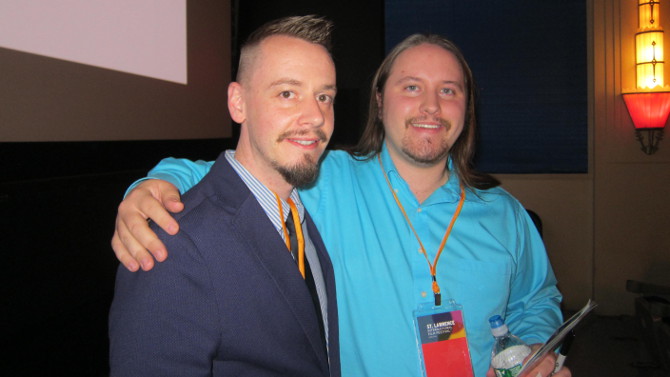
Nathan Andrew Jacobs, the writer/director of the independent film Killing Poe, spoke to me at the St. Lawrence International Film Festival back in October. According to him, his film, which built up an unbelievable buzz over the four day festival, has been influenced by the work of Wes Anderson. He mentioned two of Anderson’s movies – The Royal Tenenbaums and Rushmore as being his favourites, and the latter will be reviewed here today.
-
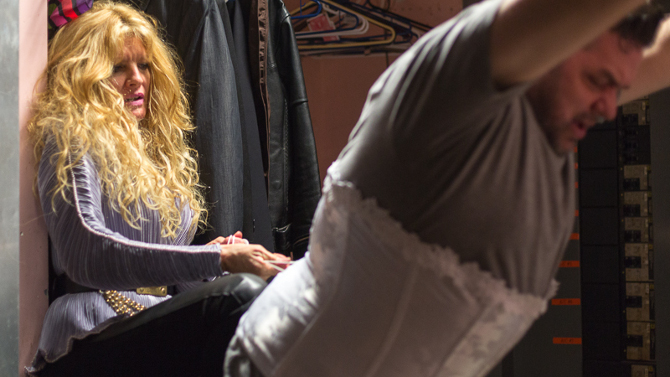
Frankly Speaking, See This Great Comedy
Frank and CindyDecember 19, 2015The closing picture of the St. Lawrence International Film Festival was G.J. Echternkamp’s Frank and Cindy; and it may have one of the more unusual pre-production tales to come out of Hollywood in recent history.

