 Films That Matter
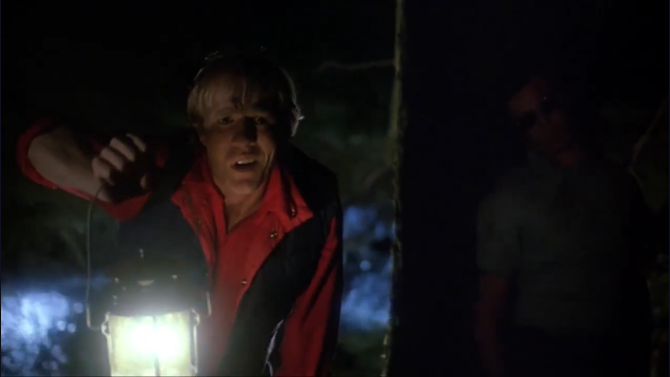
Dawn of the Dread
Today’s feature really had me divided as to where it should be placed on my site – in a ‘Missed the Bloody Cut’ feature, a ‘What Could Have Been’ analysis, or as a typical ‘review’... I decided to go with the final option. Falling within the burgeoning slasher horror genre of the early 1980s, Jeff Lieberman co-writes the screenplay and directs Just Before Dawn (1981). Finding a group of friends heading into the Oregon mountains to investigate a plot of land Warren (a young Gregg Henry – Femme Fatale; Guardians of the Galaxy) has inherited, he is joined by his girlfriend Constance (Deborah Benson), another couple in Jonathan (Chris Lemmon) and Megan (Jamie Rose), as well as Jonathan’s brother Daniel (Ralph Seymour) – who has notoriously bad eyesight.
-
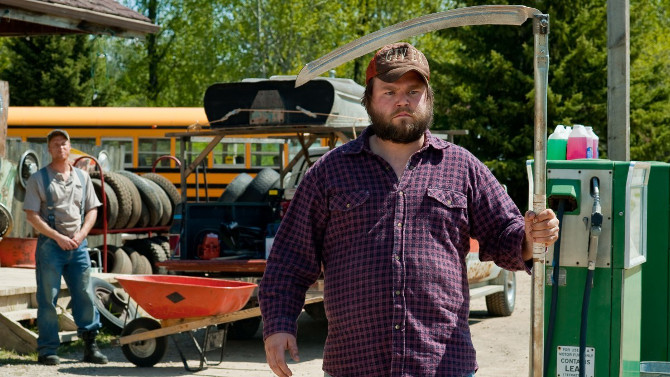
A Bloody Funny Misunderstanding
Tucker and Dale vs EvilAugust 28, 2016Words are funny (and I don’t necessarily mean ha ha funny). Let me explain by way of an example: if I were to say, select the highest number between 5 and 8 – half of you would likely say 8, while some others would choose 7 (or 7.9), depending on how you perceive the word between. I use the word perceive, because perception is equally as fickle. Three people witnessing an automobile accident can sometimes see three very different things. Words and perception are used in clever fashion to exhume bloody humour in the 2010 comedy/horror flick Tucker and Dale vs. Evil. Co-writer/director Eli Craig (as well as second co-scribe Morgan Jurgenson) flip our perception of what ‘should be’ from the very beginning. Tucker (Alan Tudyk) and Dale (Tyler Labine) are two, for lack of a better word, hillbillies. . . but not those of horror past who enjoy slaughtering local travellers.
-
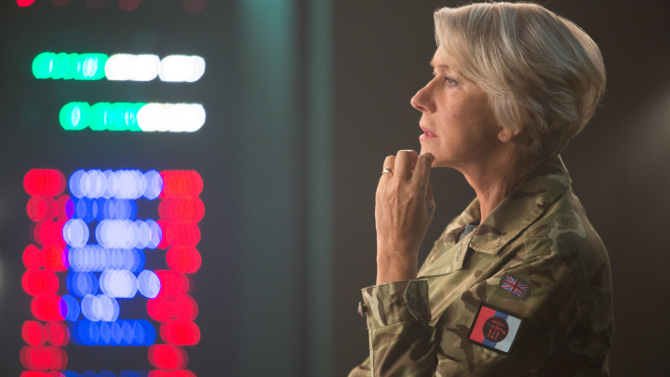
Game of Drones
Eye in the SkyAugust 16, 2016Dealing with the moral quandary of a drone strike, Eye in the Sky captures the complex nature of pulling the trigger when you’re thousands of miles away from your target. Written by Guy Hibbert and directed by Gavin Hood, the story demonstrates the interconnectedness of military decision making in the twenty-first century. Colonel Katherine Powell (Helen Mirren) is running a complicated capture mission from a military base in England. She is attempting to seize high value targets from a terrorist group, including Susan Danford (Lex King) – a British citizen turned terrorist (on the top-ten most wanted list). After many long years, Colonel Powell finally has a bead on the elusive militants – who are making a stop in a safehouse in Nairobi.
-
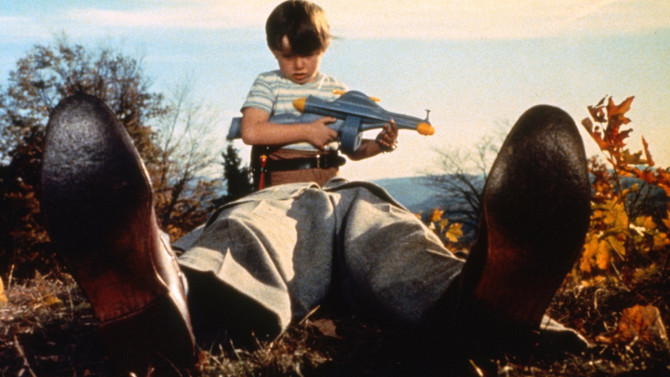
You’ll Dig Harry
The Trouble with HarryAugust 12, 2016I’ll let you in on a little secret. . . The Trouble With Harry is, well, he’s dead. Alfred Hitchcock directs this cheeky black comedy about a number of villagers who discover the body of a deceased man out in the woods in picturesque New England. Though it was an American film, Hitchcock adapts a very British story (after all, it is usually Europeans who can find comedy in death) for the screen. A project he desperately wanted to get made, it finally came to fruition in 1955. The first to stumble upon the body is a little scamp of a child named Arnie Rogers (Jerry Mathers of Leave It to Beaver fame).
-
Law and Order
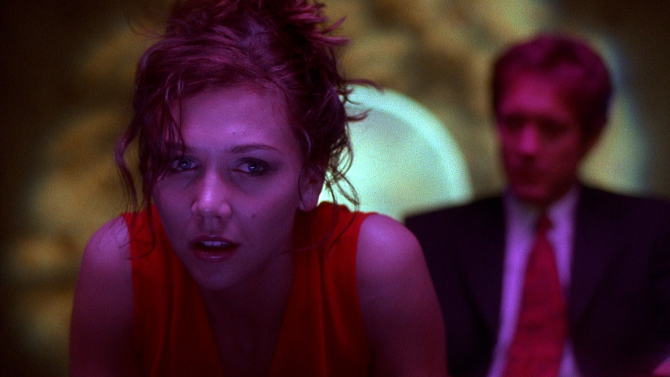
SecretaryAugust 7, 2016Much has been made of Fifty Shades of Grey. The phenomenon (be it the books or the film) has taken the world by storm, creating an ever-growing buzz around the subject of kinky sexual escapades. But, after watching the movie, I must say that it is a cold, clinical production that lacks nuance, emotion, heart, depth or eroticism. For a more engaging portrayal of the themes found in Fifty Shades, I would recommend turning to the 2002 motion picture Secretary. Following in the vein of other erotic flicks like 1972's Last Tango in Paris and 1986's 9½ Weeks (to name just two), director Steven Shainberg (who adapted Mary Gaitskill’s short story along with Erin Cressida Wilson) introduces us to our lead character: the shy, sensitive and socially uncomfortable Lee Holloway (Maggie Gyllenhaal). Dealing with many psychological issues, she is first seen leaving an institution after being caught causing herself harm.
-
Rock the Boat
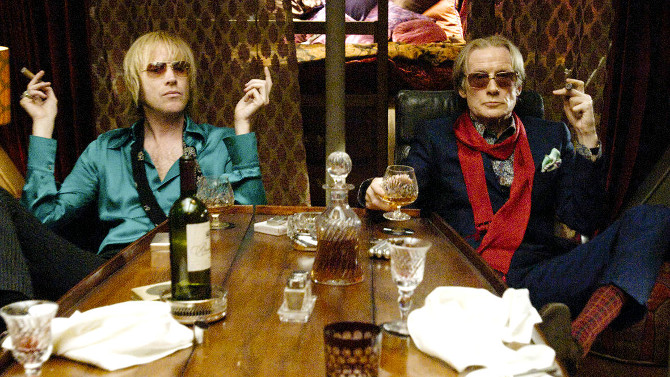
Pirate RadioJuly 31, 2016If you’re into classic rock music, there may be no better film to watch than Richard Curtis’ 2009 motion picture Pirate Radio (sometimes referred to as The Boat That Rocked), as it provides the viewer with an epic soundtrack as well as a rich retrospective look back at the chaotic era that was the 1960s. Loosely based on a true story, Curtis (who also wrote the screenplay) tells the tale of a group of rogue DJs who anchor in the waters off of Britain (in the North Sea, to be exact), playing rock `n roll music to the masses, much to the chagrin of the classical music loving establishment – wonderfully illustrating the turbulent clashes of chaos found in the 1960s.
-
A Bloody Good Time
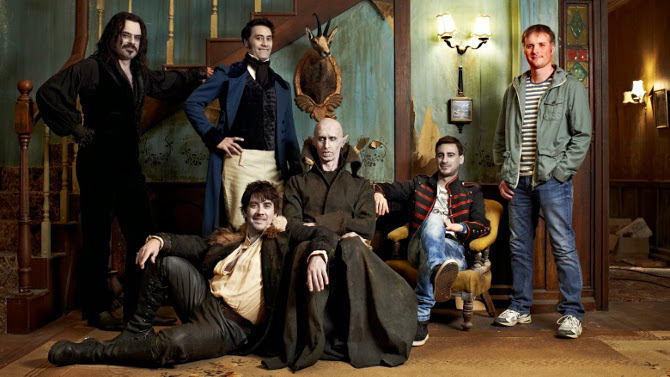
What We Do in the ShadowsJuly 29, 2016The vampire has become over-used in recent years, making the market feel over-saturated. It has become increasingly difficult to find a way to depict something creative and new within the sub-genre, while not departing from all that is intriguing about the creature. One film that expertly pays tribute to ‘creatures of the night’ while concocting a unique and comedic vision is the 2014 mockumentary What We Do in the Shadows.