 Films That Matter
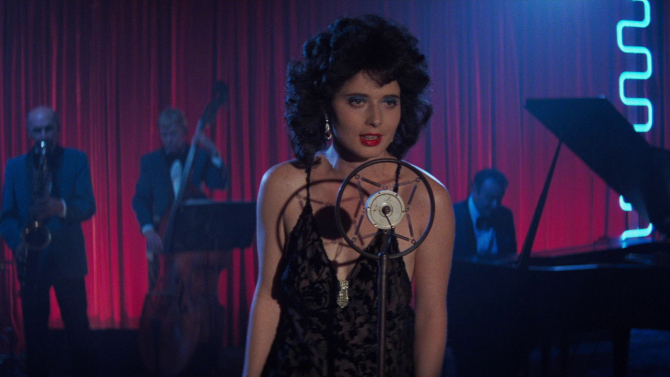
Velvet Fog
Taking years as he reveled in the eccentric, outlandish neo-noir mystery thriller landscape he was writing, David Lynch then went on to direct his violent, erotic, drug infused crime caper, calling it Blue Velvet (1986) – with the 1963 song of the same name sung by Bobby Vinton being a big influence on the picture. Though set in the time it was made, the suburban Lumberton feels like it is stuck in the 1950s. Airing a vibe that is more than a touch off-putting, there is no semblance of things being in the right – all seemingly out of time and place. The billboards resemble another era, most of the cars are thirty years old, and lounge singers are popular again.
-

A Thrilling ‘Sub’ject
Black SeaFebruary 9, 2016A recent movie that has sadly gone completely under the radar is the 2014 submarine heist thriller Black Sea.
-

The Break-In Breaks Out
The Break-InDecember 16, 2015As I sat in the dark theatre waiting for the projector to light up the New York State premiere of The Break-In, a Swedish film written and directed by Marcus Ovnell, I had two things running through my mind . . . and both related to my high hopes for the film. The first was that I had attended a panel discussion featuring Ovnell and Nathan Jacobs (writer/director of Killing Poe) on the continuing influence of Edgar Allen Poe on the world of film. The panel provided a nuanced discussion on the two movies (while also making sure to provide no spoilers of the upcoming showing of either film) and being that I am a gargantuan Poe fan, this had me enthused for the premiere. The second was that I have yet to see a poor film or television show come out of Scandinavia over the past several years (whether it is the Girl With the Dragon Tattoo trilogy, Jo Nesbo’s Headhunters or television series such as Wallander and Borgen, to name of few).
-

Eye Opening Experience
The Corpse of Anna FritzDecember 6, 2015The last ten years or so have been an extremely exciting time for horror and thriller films coming out of Spanish speaking countries. Whether a classic from Guillermo del Toro (The Devil’s Backbone, Pan’s Labyrinth), or other greats such as J.A. Bayona’s The Orphanage, Guillem Morales’ Julia’s Eyes or Oriol Paulo’s The Body – to name but a few, these films introduce interesting, unique, original or classic ideas and offer a scary spin on the horror/thriller genre. The Corpse of Anna Fritz adds to this golden age of Spanish language horror thrillers (with a warning that this one pushes the limits more than some of the others).
-
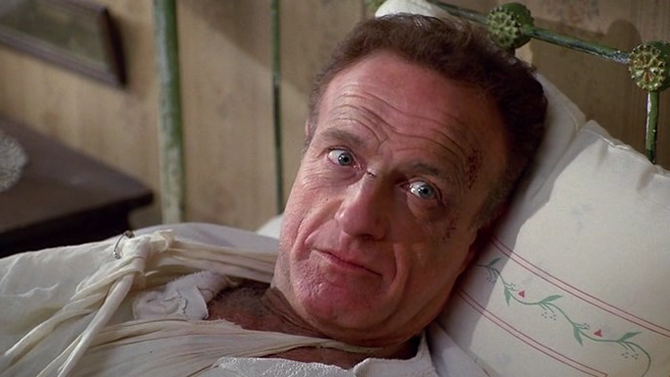
‘Misery’ Anything But for Film Audiences
MiseryFebruary 17, 2014After looking at an Academy Award winning picture in Casablanca and a best actor in a leading role in Philip Seymour Hoffman in Capote, it is time to look at a female lead that has taken home the big prize. This will also be the first movie that I have looked at that is an adaptation of one of horror maestro Stephen King’s novels. As those of you who watch a lot of movies will know, Stephen King’s creations usually turn out one of two ways on film – an absolute train wreck or an entertaining and very strong effort; this movie falls into the latter category. By this point, some of you may have already figured out that I am reviewing the 1990 dramatic thriller Misery.
-
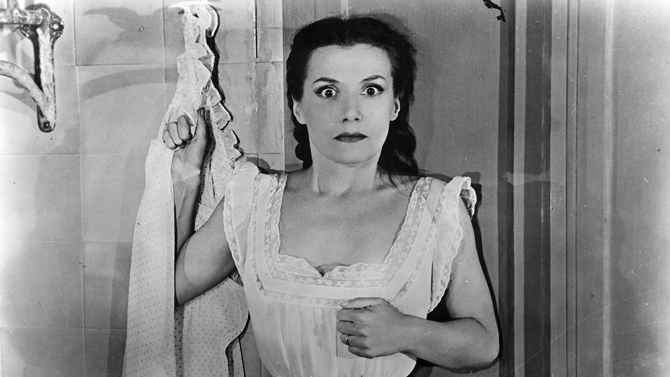
Not That Clouseau
DiaboliqueOctober 30, 2013When hearing the name Clouseau, most people automatically think of the bumbling French detective made famous by comedy genius Peter Sellers in the Pink Panther movies, or the uninspired remakes with Steve Martin. Yet I am not referring to that character, instead I am talking about serious film director Henri-Georges Clouzot who directed the horror mystery/thriller Les Diaboliques in 1955.
-
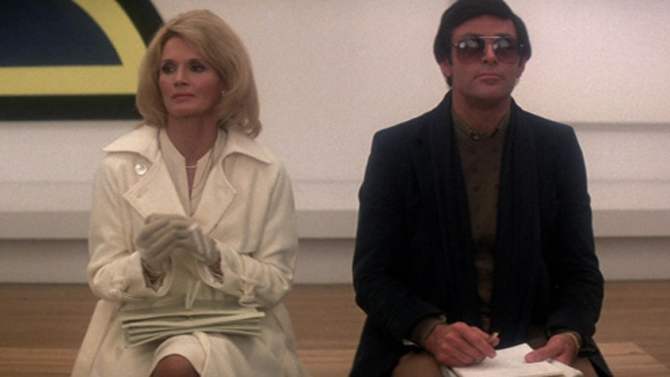
Dressed for Success
Dressed to KillOctober 2, 2013For the month of October, I will be highlighting films that fall within the horror and thriller genres. With this article, I will also be starting an extended series of reviews that will look at director Brian De Palma’s lesser known works that are a part of the mystery or thriller categories. Though best known for iconic movies like Scarface, The Untouchables, Mission Impossible and Carlito’s Way, for more than forty years De Palma has created lesser-known classic thrillers inspired by master director Alfred Hitchcock, as well as classic genres such as film noir, and then adds his own masterful spin and touches to these unique areas of cinema. Within this sub-section of De Palma’s work, his most famous film is probably the 1980 mystery thriller Dressed to Kill. It is this movie, that to his detractors, proved he was nothing but a Hitchcock rip-off artist, yet his fans were once again delighted by the man’s genius as a visually talented director that was on a higher plateau than anyone else at the time. You can probably guess that I fall within the second grouping of people.