 Films That Matter
Velvet Fog
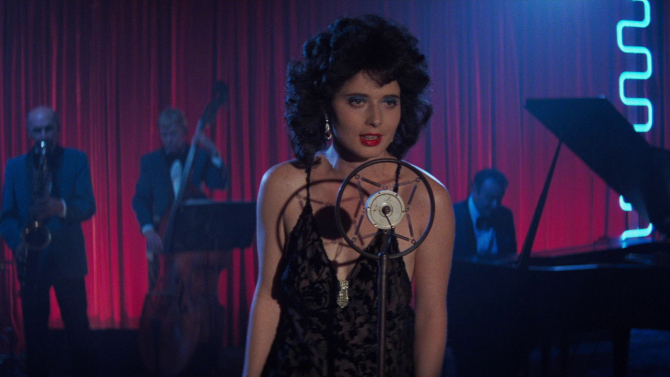
Taking years as he reveled in the eccentric, outlandish neo-noir mystery thriller landscape he was writing, David Lynch then went on to direct his violent, erotic, drug infused crime caper, calling it Blue Velvet (1986) – with the 1963 song of the same name sung by Bobby Vinton being a big influence on the picture. Though set in the time it was made, the suburban Lumberton feels like it is stuck in the 1950s. Airing a vibe that is more than a touch off-putting, there is no semblance of things being in the right – all seemingly out of time and place. The billboards resemble another era, most of the cars are thirty years old, and lounge singers are popular again.
-
What Could Have Been: 2019’s Domino
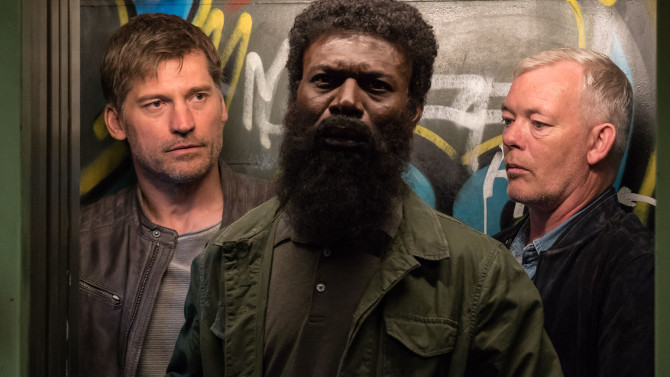
August 9, 2019A new feature that will appear from time to time, ‘What Could Have Been’ will look at movies that had a chance of being something special, but, due to script, production, budgetary, or any other type of issue, it does not reach its full potential. . . first up, Brian De Palma’s 2019 Danish (though English language) crime thriller Domino. When it comes to Brian De Palma, you tend to fall into two camps. . . defender or trasher. I have long been a huge fan, so when you hear that he is finally filming a new movie some seven years after his last picture, it is cause for excitement. Though, soon after, rumblings were heard. . .problems with the producers, the budget, the script. . . making everyone, even ardent De Palma fanatics, a tad apprehensive.
-
Star Pick with James Phelps
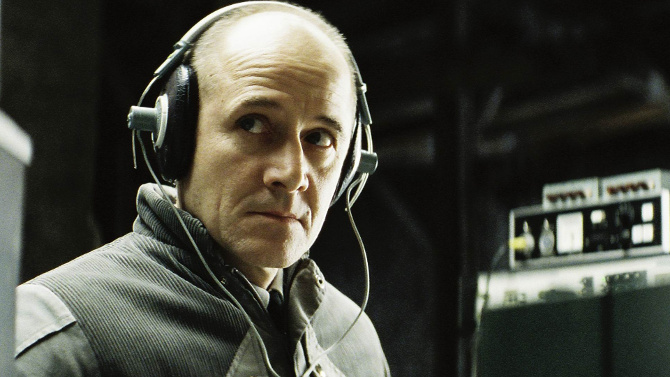
 Hear HearThe Lives of OthersJuly 23, 2019
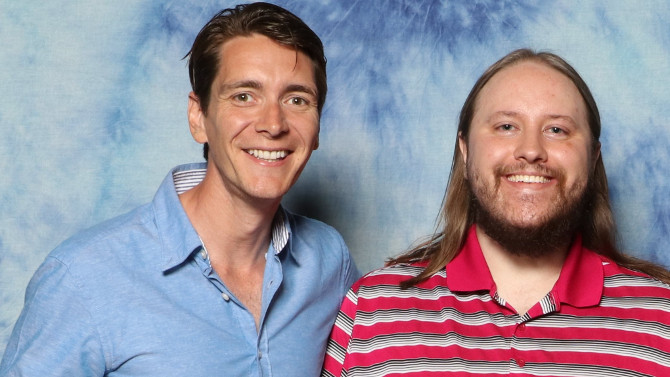
With a mischievous twinkle in the eye, much like their iconic onscreen characters, James and Oliver Phelps are the living embodiment of the Weasley twins. Quick, witty, and playful with their words, their banter is infectious. Perhaps it is no surprise, as they are, in reality, twins, but they feed off of each other like no other. . . entertaining, to say the least. For those of you who may have been living in a cupboard under the stairs for the past few decades, James and Oliver play Fred and George Weasley, the older twin brothers of Harry Potter’s best friend Ron. A vital part of one of the most successful franchises in film history, they bring so much levity as the loveable Hogwarts’ pranksters, often claiming some of the most entertaining moments in many of the pictures.
-
Freeze Frame
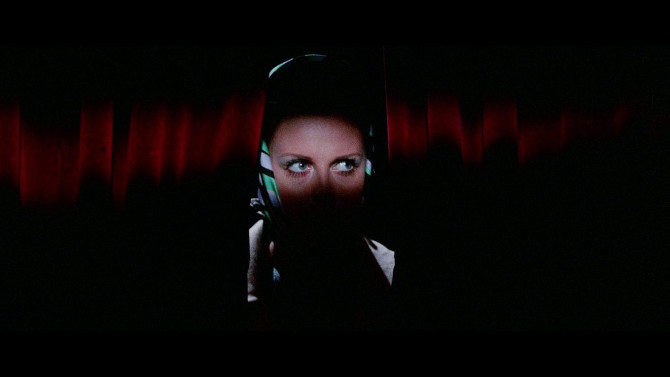
The Forbidden Photos of a Lady Above SuspicionMarch 23, 2019I am not quite sure if I even need to write a review about this one. . . I’ll just tell you the title: The Forbidden Photos of a Lady Above Suspicion. One of those vividly descriptive yet cryptic giallo titles, Luciano Ercoli (Death Walks on High Heels) took his first stab at directing (pardon the pun) with this 1970 Spanish/Italian co-production written by Ernesto Gastaldi (The Case of the Scorpion’s Tail). The lady in mention is Minou (Dagmar Lassander), a bored housewife living a blasé life with her staid husband, Peter (Pier Paolo Capponi) – a man with a new invention that will hopefully save his struggling business (meaning that he is at work an awful lot). Getting no attention from Peter, she gets more than she bargained for when an unknown assailant (Simón Andreu) attacks her (with purpose) late one night while she is strolling near the ocean.
-
Life in the Fast Lane
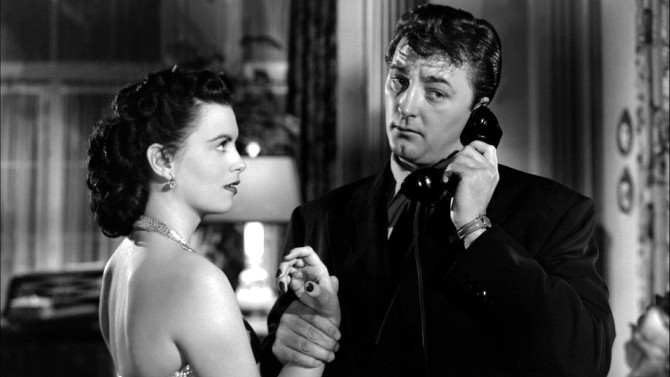
Where Danger LivesNovember 29, 2018Imagine the scenario: a striking woman gets rolled into the hospital – an attempted suicide; a shapely mystery for a young doctor – with windswept hair and eyes that are as mesmerizing as a pool of slowly moving water. . . when he finally revives her, they look at each other. . . and time stops! Take one quick glance at the poster for Where Danger Lives, a thrilling 1950 film noir written by Charles Bennett (a man known to work with Hitchcock quite often in his earlier days – think The 39 Steps and Foreign Correspondent) and directed by John Farrow (Around the World in 80 Days and father of Mia), and you’ll know. . . the pair are in for quite the tempestuous roller coaster ride of a love affair.
-
Deathly Sting
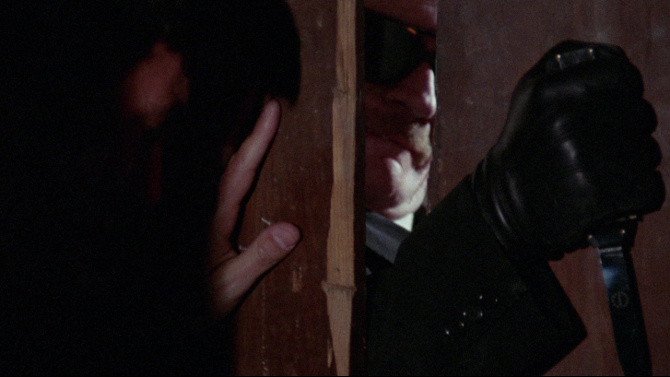
The Case of the Scorpion's TailNovember 11, 2018The Case of the Scorpion’s Tail – no, not a Hardy Boys’ adventure, rather, another unique giallo, directed by Sergio Martino (Your Vice Is a Locked Room and Only I Have the Key), a 1971 mystery thriller that may have more would-be stalkers than any other film in the annals of history. From a story by Eduardo Manzanos (icon Ernesto Gastaldi came in to build the screenplay, with Mazanos and Sauro Scavolini also getting credit), the twist-filled narrative pulls from both Alfred Hitchcock and Henri-Georges Clouzot’s Les diaboliques, as well as unbelievable real life stories that lined the newspapers . . . Martino imbuing it all with a tense, mile-a-minute pacing.
-
Post-War Noir
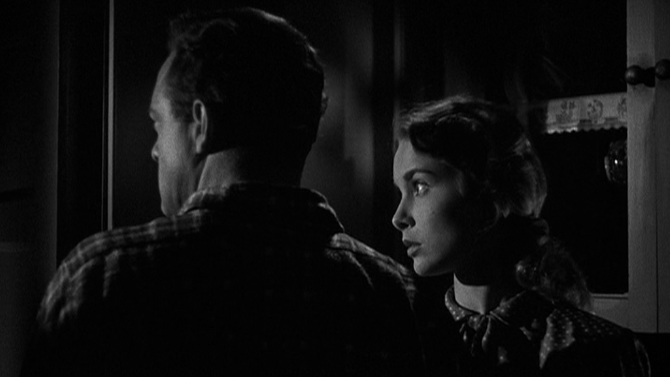
Act of ViolenceNovember 9, 2018A perfect example of ‘you can’t outrun your past, present or future’, 1949's Act of Violence, directed by Fred Zinnemann (High Noon; From Here to Eternity), starts with quite the hook: a man, limp noticeable, hurriedly, and with purpose, makes his way through a city in the clutches of the glum night, eventually entering a room that holds a deadly object – a gun. . . hopping onto a bus, it does not bode well. With a deliberate, unyielding presence, Joe Parkson (Robert Ryan – for another one of his great film noirs, see The Set-Up) is the thing of nightmares. . . a stalking figure in trench coat and fedora – the Michael Myers of the noir genre. Ryan, with his lined face, imposing size, and disturbed demeanor, is an ominous heavy – the enigmatic grunt opening a phone book and circling the name of one Frank R. Enley (Van Heflin).