 Films That Matter
Velvet Fog
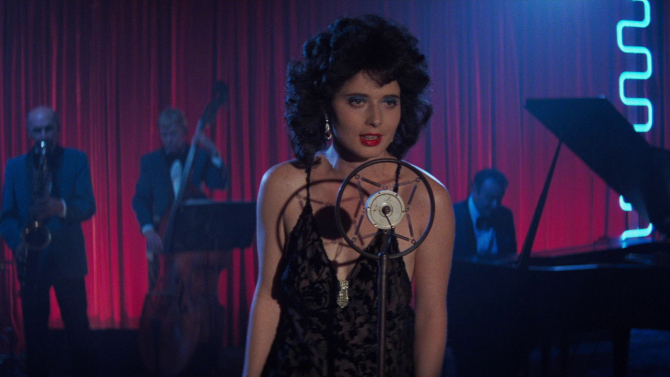
Taking years as he reveled in the eccentric, outlandish neo-noir mystery thriller landscape he was writing, David Lynch then went on to direct his violent, erotic, drug infused crime caper, calling it Blue Velvet (1986) – with the 1963 song of the same name sung by Bobby Vinton being a big influence on the picture. Though set in the time it was made, the suburban Lumberton feels like it is stuck in the 1950s. Airing a vibe that is more than a touch off-putting, there is no semblance of things being in the right – all seemingly out of time and place. The billboards resemble another era, most of the cars are thirty years old, and lounge singers are popular again.
-
What Could Have Been: Double Face
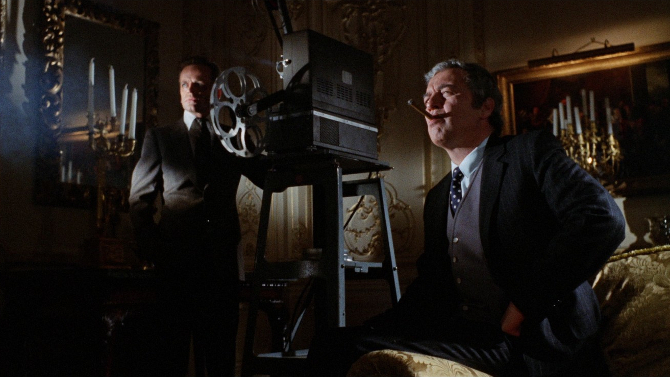
January 3, 2020The Swinging Sixties were a most unique time, especially in London. Often seen as a more traditional, conservative city, the growth of this young, wild child generation clashed with their aging parents and grandparents, a kaleidoscopic counter culture seeping into the stiff upper lip backbone of the nation’s capital. Capturing 1969 London in all of its variations, Double Face, co-written and directed by Riccardo Freda, follows one man’s unlikely journey through this often unnerving world. Klaus Kinski plays John Alexander (in a surprisingly reserved way), a wealthy, middle aged businessman with a much more traditional outlook. Quickly wedding extremely cash-happy Helen (Margaret Lee), it is a marriage that soon wallows into a depressing wake of clashes and affairs. Helen soon finds a lover, Liz (Annabella Incontrera), leading to questions of whether their union will last.
-

Upstairs Downstairs
ParasiteNovember 24, 2019One of the more unique films I’ve seen in a longtime, 2019's Parasite, co-written and directed by Bong Joon Ho (Snowpiercer), is a twisty movie best experienced without knowing too much – meaning that this will be as close to a spoiler free review as possible. Like many of his movies, Parasite (which he wrote along with Han Jin Won) deals with class divisions – the divide between rich and poor. In Snowpiercer, he adapted a novel that imagines a post-apocalyptic world where everyone left living resides in a specific compartment of a train depending on his or her wealth, yet this picture is grounded in a certain reality.
-

Twinkle Twinkle Little Stars
Night Has a Thousand EyesNovember 17, 2019Twisting the twinkling night sky into a harbinger of doom, 1948's Night Has a Thousand Eyes is a classic film noir that delves into the inexplicable realm of parapsychology. Based upon a novel of the same name written by iconic crime scribe Cornell Woolrich (and adapted by Barré Lyndon and Jonathan Latimer), John Farrow (Where Danger Lives; Around the World in 80 Days) directs this intriguing story. Opening in dramatic fashion, we witness a last second rescue of a young woman attempting suicide late one night at a bustling industrial railway depot (a stunning visual sequence).
-
Saving Face
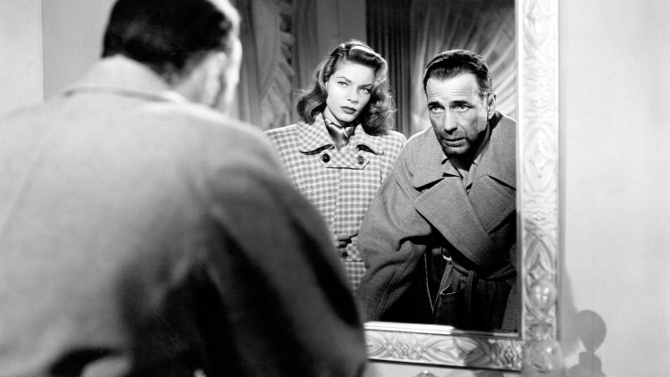
Dark PassageNovember 12, 2019The third of four films made by the husband and wife dream team of Humphrey Bogart and Lauren Bacall, 1947's Dark Passage, written and directed by Delmer Daves (Destination Tokyo), is perhaps one of the most unique film noirs of the classical era. Not revealing star Humphrey Bogart’s face until sixty-two minutes into the movie, studio head Jack L. Warner (Warner Bros), upon learning this, was absolutely furious. . . but, the film was already so far into production that nothing could be done.
-
Circles in the Dark
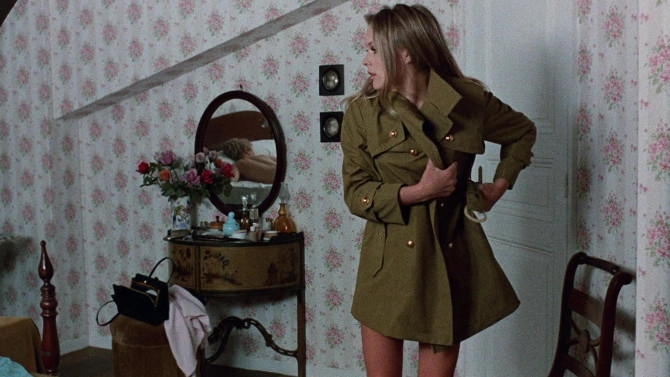 WhirlpoolVampyresOctober 12, 2019
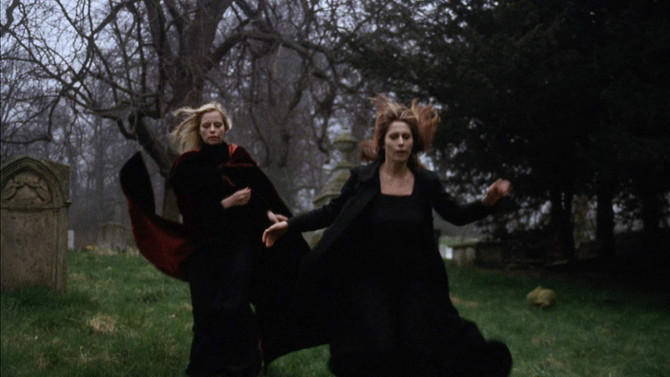
Ushered away by the undercurrent of some uncharted territorial waterway, the mostly unknown films of José Ramón Larraz are a warped ride like no other. Not well known enough to be placed on any chart or map, likewise, they are near inexplicable. . . stuck within the cracks of multiple genres, but not beholden to, or perhaps, even accepted by any one of them. A Spanish filmmaker, the early portion of his career is comprised of his English work – five features shot in the rural British countryside, with the two that bookmark this period being looked at here today, 1970's Whirlpool (a film that was long thought to be lost) and 1974's Vampyres. Comprising many of the same themes, the first thing that stands out within the man’s oeuvre is its atmosphere. . . striking doom and gloom – you almost feel like The Rolling Stones’ tune is echoing their mystery – “I had a dream last night, That I was piloting a plane, And all the passengers were drunk and insane, I crash landed in a Louisiana swamp, Shot up a horde of zombies. . . What’s it all about? Guess it just reflects my mood, Sitting in the dirt, Feeling kind of hurt. When all I feel is doom and gloom, And all is darkness in my room. . .”. Whether you are watching the boggy fall forests that surround a picturesque country home in Whirlpool, or the Hammer-esque, dilapidated mansion, with its side doors guarded by two ominous gryphons in Vampyres, there is something unsettling in every minute detail of the way the auteur builds his narratives.
-
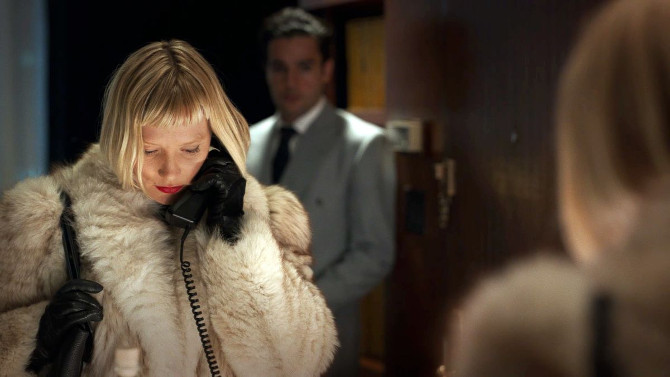
Even the Best Laid Plans…
PiercingSeptember 15, 2019To dance with the devil. . . perhaps not the cheeriest of thoughts. But, what if the person the devil is dancing with is another devil? Of course, I’m speaking on a metaphorical level, and this is basically what happens in the mysterious 2018 thriller Piercing, written and directed by Nicolas Pence. To be brutally honest, if you do not like films where there is really no single person to root for, then this will probably not be for you. Opening with a playful combination of music and credits, as I listened, it sounded to me like something you would hear in a 1970s giallo (and, lo and behold, the soundtrack features Goblin’s Tenebrae score), which plays over a fabricated city skyline, cold and lacking life. Like something heard in a music box with a dark twist, it warns of a sinister love story (and I use the word love loosely).