 Films That Matter
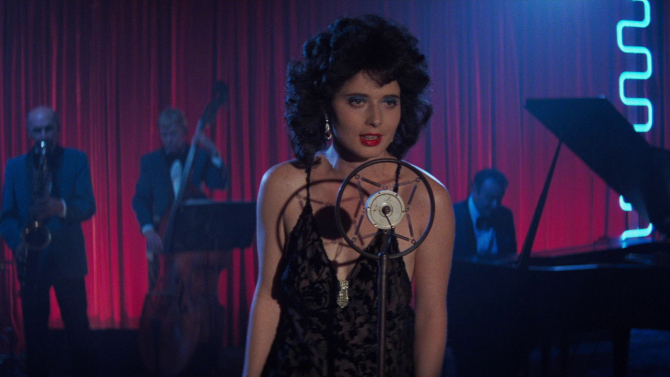
Velvet Fog
Taking years as he reveled in the eccentric, outlandish neo-noir mystery thriller landscape he was writing, David Lynch then went on to direct his violent, erotic, drug infused crime caper, calling it Blue Velvet (1986) – with the 1963 song of the same name sung by Bobby Vinton being a big influence on the picture. Though set in the time it was made, the suburban Lumberton feels like it is stuck in the 1950s. Airing a vibe that is more than a touch off-putting, there is no semblance of things being in the right – all seemingly out of time and place. The billboards resemble another era, most of the cars are thirty years old, and lounge singers are popular again.
-
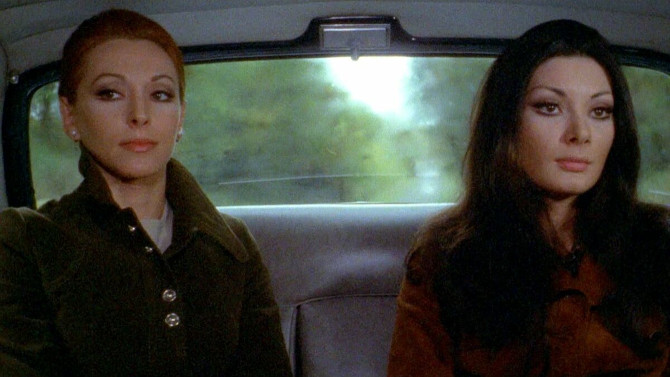
Left in the Dark
All the Colors of the DarkApril 10, 2026Hovering somewhere between haunting past and menacing present, or perhaps even better described as a fever dream leaning more towards a feverish nightmare, the Sergio Martino (The Case of the Scorpion’s Tail; Your Vice Is a Locked Room and Only I Have the Key) 1972 giallo All the Colors of the Dark – sometimes known as Day of the Maniac and They’re Coming to Get You! (both titles also work quite well), transports its audience into a paranoid mystery. This Italian film moves abroad to London, England, following tortured Jane Harrison (Edwige Fenech – Strip Nude for Your Killer; Your Vice Is a Locked Room and Only I Have the Key), a woman with a rather rough not wholly revealed past.
-
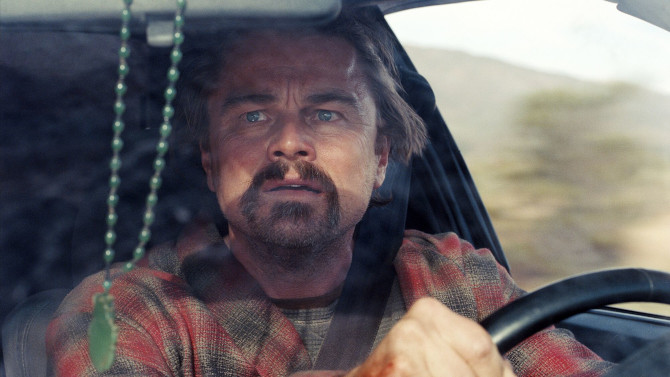
What Could Have Been: One Battle After Another
February 21, 2026Already getting buzz as one of the top films of this past year and perhaps being in line for the Academy Award Best Picture next month, One Battle After Another (2025), written and directed by Paul Thomas Anderson (and inspired by Thomas Pynchon’s novel “Vineyard”), features big stars like Leonardo DiCaprio, Sean Penn, and Benicio del Toro, and has everything going for it... meaning that it should wow and amaze. Yet, from a screenplay perspective, a lot is missing... despite being nominated for Best Adapted Screenplay as well.
-
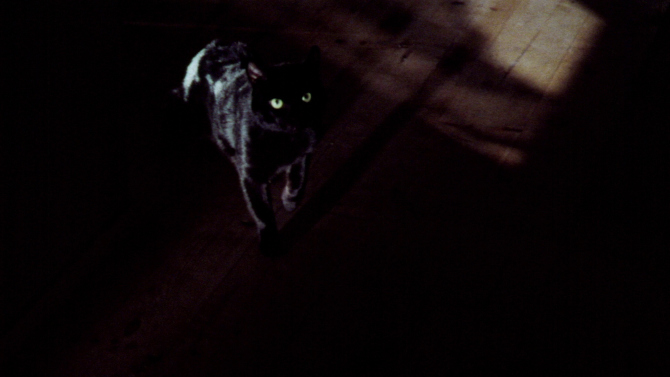
Cat Scratch Fever
The Crimes of the Black CatFebruary 7, 2026You know you’re in for a doozy of a caper when you’ve got dead bodies piling up, a mysterious black cat wandering around (with all that revolves around the creature and its unlucky curses), a disappearing wicker basket (simply suspicious), and a seemingly occultist person wandering around whilst wearing a striking white cape... remember what George Costanza once said in the comedy Seinfeld – “I bet you he is mixed up in this. I don't trust men in capes”. Without further ado, we look at co-writer/director Sergio Pastore’s Italian giallo The Crimes of the Black Cat (1972) – sometimes also known as Seven Shawls of Yellow Silk. Clearly influenced by Dario Argento’s 1970 hit The Bird with the Crystal Plumage, and part of the massive gialli boom that happened soon after, things start off in Copenhagen, Denmark (it was actually shot there)
-
An Erotic Thriller Double Feature
 The HousemaidChloeJanuary 14, 2026
It is now quite rare to see an erotic thriller made. Thriving during the late 1980s and into the 90s, in a modern cinematic world that has become more cookie cutter and safe, it just doesn’t seem to fit within the current mold being used in Hollywood. That is why it is a breath of fresh air to see the current success of The Housemaid (2025). And, while we’re on that, it also ties into another film from back in 2009 called Chloe... not only because it falls within the same more adult themed genre, but also because they both star Amanda Seyfried. Starting with the 2025 offering from director Paul Feig, The Housemaid follows Millie Calloway (Sydney Sweeney) as she desperately seeks employment after a yet undisclosed difficult past. Falling into a seemingly perfect job as a housemaid for the wealthy Winchester family, Nina (Seyfried), Andrew (Brandon Sklenar), and daughter Cece (Indiana Elle), live in a gargantuan posh house on the edge of New York.
-

Full Throttle
Runaway TrainAugust 31, 2025Opening with infinite possibilities, today’s feature could have been a prison set boxing movie, a searing drama about the conditions in an Alaskan jail, or simply a prison break narrative, but instead, it becomes... Runaway Train (1985). A movie that has become a bit forgotten over time (after its initial disappointment at the box office), director Andrei Konchalovsky’s action thriller follows a rough around the edges bank robber, Manny (Jon Voight) – who has attempted to break out of Stonehaven Maximum Security Prison in Alaska several times. A sort of hero figure amongst the rowdy inmates, the obsessive Warden, Ranken (John P. Ryan), has locked him away in solitary confinement for a most punishing three years.
-

An Attaché Case
Black BagMarch 18, 2025In 2025, dare I say that it’s nice to be highlighting a film made for mature audiences. Avoiding the pratfalls of sequels, remakes, comic book movies, and overly costly bombast, Black Bag, written by David Koepp (Mission: Impossible) and directed by Steven Soderbergh (Traffic), is most easily described as an old school spycraft feature. Opening with an extended tracking shot of spy George Woodhouse (Michael Fassbender) making his way through a happening nightclub in London, his contact soon informs him that there is a rat leaking some sort of tech software named Severus from within the agency. If there is one thing Woodhouse despises, it’s a liar, so he invites all of the suspects to a dinner party to try to get to the bottom of it.