 Films That Matter
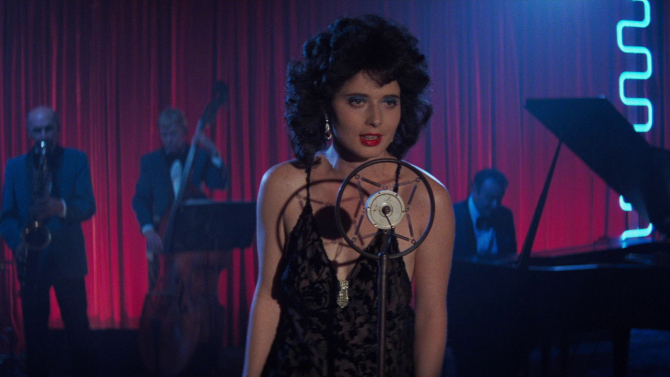
Velvet Fog
Taking years as he reveled in the eccentric, outlandish neo-noir mystery thriller landscape he was writing, David Lynch then went on to direct his violent, erotic, drug infused crime caper, calling it Blue Velvet (1986) – with the 1963 song of the same name sung by Bobby Vinton being a big influence on the picture. Though set in the time it was made, the suburban Lumberton feels like it is stuck in the 1950s. Airing a vibe that is more than a touch off-putting, there is no semblance of things being in the right – all seemingly out of time and place. The billboards resemble another era, most of the cars are thirty years old, and lounge singers are popular again.
-

Leader of the Pack
Generation WolfJuly 18, 2020As I sat watching the special screening of the Canadian independent film Generation Wolf (the Ontario non-festival premiere held at the historic Port Theatre in Cornwall) surrounded by a massive audience – an image triggered in my mind. . . that of two individuals playing Russian roulette. Though this may seem nonsensical (especially once you read my synopsis), please allow me to elaborate. The movie had a certain inevitability, much like the deathly contest – after all, Russian roulette always ends with a bullet to the head. Yet, it was also imbued with many other features associated with the contest – chance, luck, suspense and a certain unpredictability. It is perhaps the biggest risk/reward game that can be played. As you can imagine, Generation Wolf produces its fair share of nerving thrills. Christian de la Cortina co-writes (along with Frank Baylis), produces, directs and stars in this Canadian picture that is still surfing the festival circuit. He plays Vincent Del Toro, a smart young man who has left his home in Michigan for sunny days in California, and is on the verge of putting his business on the map. Converting classic cars of yesteryear into modern, electric cars of the future, he has already made some sales. Waiting on the licensing bureau, he soon realizes that they are actually re-possessing his cars – as they won’t accept the electric motors he has used.
-
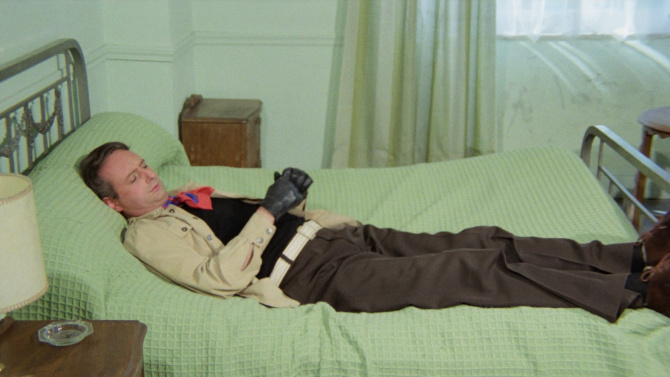
Fatal Subtraction
TraumaJuly 5, 2020A Spanish film inspired by the Italian giallo craze, 1978's Trauma (in Spanish: Violación fatal), directed by León Klimovsky, opens in a rather fascinating way – a writer, Daniel (Heinrich Starhemberg), dressed in an overly flamboyant outfit, including an ascot (think of a pudgy, slightly nerdier middle-aged version of Fred from Scooby-Doo), drives to a secluded bed and breakfast. . . wait a minute, he’s also wearing a pair of black gloves like the killers always do in these types of movies. . . could solving the mystery be this easy, or does the ascot negate said gloves? Finding his way down a dirt road to a most picturesque historic home (that sits beside a serenely calm lake), inside he meets Veronica (Ágata Lys), the frustrated young woman who runs the establishment. Burdened with the management of the place while also caring for her crippled husband in the attic (a man who we mysteriously never see, but can be heard when he gets into fits of rage), she finds little solace in the peaceful calm and tranquility of the locale. . . though she does enjoy spending time with her new guest (and making antique-looking figurines that she is very possessive of).
-
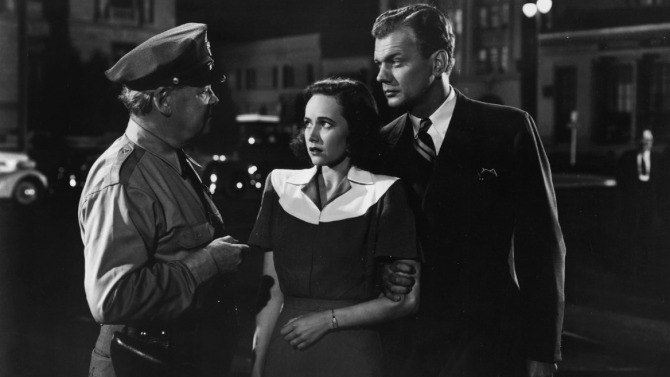
Creeping Charlie
Shadow of a DoubtJune 11, 2020If you didn't know and were asked to guess Alfred Hitchcock's favourite movie from his own filmography, I would think most people would probably select something from his Golden Age - ranging from the 50s and into the early 60s (think Dial M for Murder, Rear Window, To Catch a Thief, Vertigo, North by Northwest, Psycho, and The Birds), or you might pick one of his two most iconic British films - The 39 Steps or The Lady Vanishes, then again, his first film in the United States (Rebecca) was his only Best Picture win at the Academy Awards. . . or maybe it was his long awaited return to the UK after thirty-two years away - making the under seen Frenzy your selection. Perhaps it was one of his technical marvels. . . Lifeboat, set entirely in the film's titular object, or Rope, which was shot to look like one long take (and was itself set in a singular location). By now, you've probably guessed that it is none of these films, but rather, the 1943 motion picture Shadow of a Doubt - in part, due to the fact that he loved the idea of bringing menace to a small town. Funnily enough, I experienced this film's loose remake, Chan-wook Park's English language debut - Stoker, prior to this original version (which is something rare for me). And I must say, I appreciate both even more-so now. . . for it is a revelation to see a remake that is not just a carbon copy of the original. A story of the 'double', teenager Charlie Newton (Teresa Wright) lives a normal life with her family on the west coast. . . her father, Joseph (Henry Travers - everyone's favourite guardian angel from It's a Wonderful Life), is a banker, her mother, Emma (Patricia Collinge), a homemaker, her younger sister, Ann (Edna May Wonacott - absolutely endearing in the role), a fervid reader, and even younger brother, Roger (Charles Bates), is just as sharp as his two older siblings. . . very unlike her beloved Uncle Charlie (Joseph Cotten), a mysteriously wealthy east coast living businessman.
-
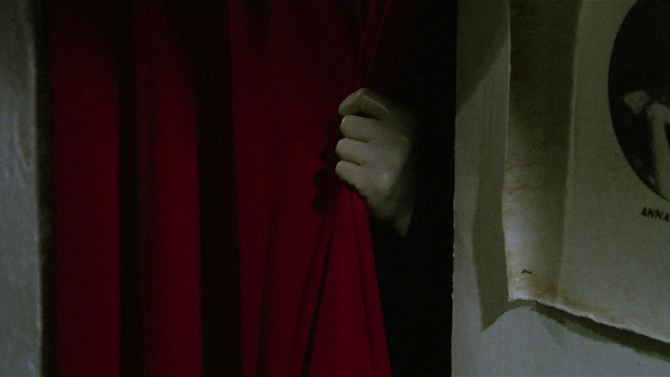
Confusing Killer Titles for $500, Alex
Watch Me When I KillApril 21, 2020Produced towards the end of the giallo craze, director Antonio Bido’s 1977 film, which had different titles for the major markets in which it played. . . in Italy – The Cat with the Jade Eyes (good luck figuring out how this ties to the movie in any way), in the UK – The Cat’s Victims (again, loose ties at best), in the U.S. – Watch Me When I Kill (again, not very accurate), in France – Terror in the Lagoon (not sure where the Creature was. . . or the lagoon, for that matter), in Germany – The Vote of Death (finally one that may just make sense), takes the prototypical giallo themes and flips them on their head. Not psycho sexually driven or overly graphic in its violence, the story follows a guarded dancer, Mara (Paola Tedesco), who just seems to draw people in. Performing different routines on the stage of a nightclub (keep those minds out of the gutter everyone, think tango rather than striptease), Mara finds so-called filmmakers pestering her to join their project (hoping to get her into bed as well), a needy dance partner who is always keeping an eye on her, and her former fling, Lukas (Corrado Pani), coming around to rekindle their sporadic romance.
-

Last But Not Least
His Last RequestFebruary 16, 2020Perhaps some things never change. . . and by that, I mean guys being idiots. A dark thriller about an aging man’s deep-seated flaws, Simon Birrell writes and directs under the guidance of longtime exploitative horror filmmaker José Ramon Larraz; His Last Request (2005) a twenty-seven minute short delving into the depths of a warped human being’s psyche. . . and the problems he himself has wrought. Shot as a silent film and in ominous black and white (I know what you’re thinking – how avant-garde), Spanish horror legend Jack Taylor plays the father. . . a man, who after years of multiple marriages, philandering, and god knows what else (he has cameras watching his entire apartment – likely not for security reasons), is now permanently relegated to a wheelchair (that is, if he wants to move around – otherwise, he is bedridden). Losing more money through alimony than an overzealous sailor fresh off the ship, his lawyer (Ramón Rados) is trying to get his papers in order before he runs out of money, or dies. . . it is a toss-up as to which might happen first.
-
On His Venetian’s Secret Service
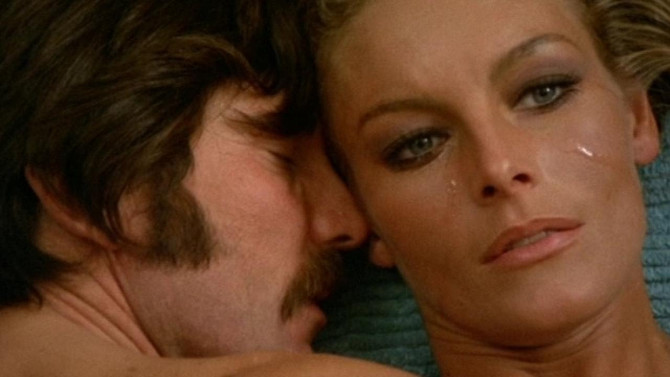
Who Saw Her Die?February 13, 2020Like a copycat killer, it is somehow unusual and rather suspicious that anytime a good film idea hits production, it seems like there is another similar project coming down the pipeline. . . sometimes referred to as ‘twin films’, countless examples exist – White House Down and Olympus Has Fallen, Hitchcock and The Girl, The Prestige and The Illusionist, Friends With Benefits and No Strings Attached, Darkest Hour and Churchill, The Descent and The Cave (anyways, you get the idea). Another intriguing example finds the horror classic Don’t Look Now having a doppelganger in the 1972 Aldo Lado directed giallo Who Saw Her Die? – though don’t jump to conclusions as to which one is the knock-off. Released a year prior to the 1973 feature, Who Saw Her Die? also finds itself set in the eerily beautiful city of Venice, where a couple is dealing with the death of their child. With numerous similarities, like a water-set funeral and an intimate sex scene, and though the set up and settings are similar, in many ways, they are separate entities.