 Films That Matter
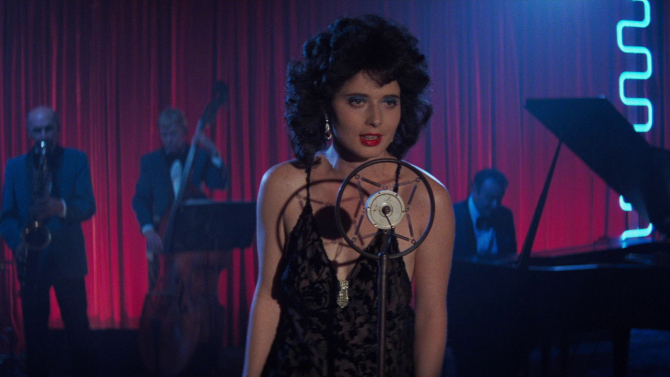
Velvet Fog
Taking years as he reveled in the eccentric, outlandish neo-noir mystery thriller landscape he was writing, David Lynch then went on to direct his violent, erotic, drug infused crime caper, calling it Blue Velvet (1986) – with the 1963 song of the same name sung by Bobby Vinton being a big influence on the picture. Though set in the time it was made, the suburban Lumberton feels like it is stuck in the 1950s. Airing a vibe that is more than a touch off-putting, there is no semblance of things being in the right – all seemingly out of time and place. The billboards resemble another era, most of the cars are thirty years old, and lounge singers are popular again.
-
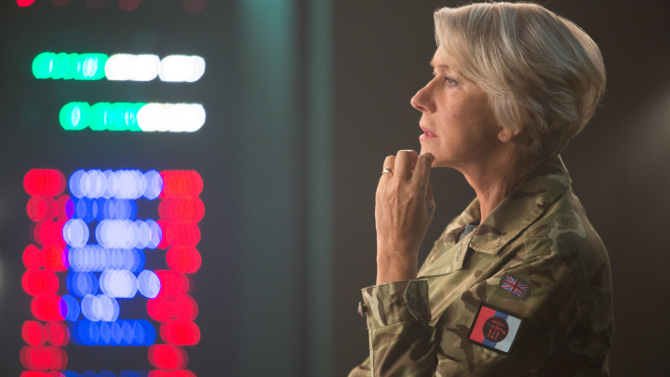
Game of Drones
Eye in the SkyAugust 16, 2016Dealing with the moral quandary of a drone strike, Eye in the Sky captures the complex nature of pulling the trigger when you’re thousands of miles away from your target. Written by Guy Hibbert and directed by Gavin Hood, the story demonstrates the interconnectedness of military decision making in the twenty-first century. Colonel Katherine Powell (Helen Mirren) is running a complicated capture mission from a military base in England. She is attempting to seize high value targets from a terrorist group, including Susan Danford (Lex King) – a British citizen turned terrorist (on the top-ten most wanted list). After many long years, Colonel Powell finally has a bead on the elusive militants – who are making a stop in a safehouse in Nairobi.
-
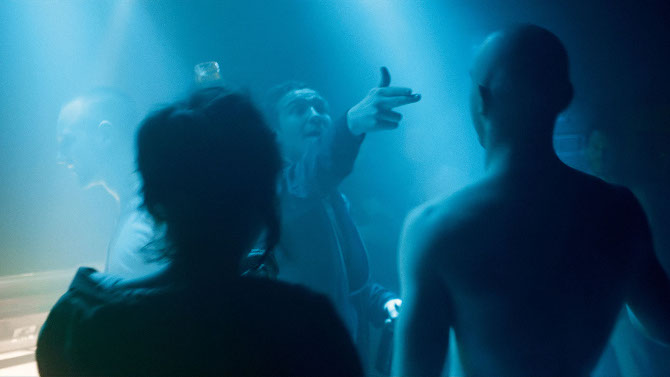
Take A Shot
VictoriaJuly 3, 2016I have always been fascinated by directors who utilize long takes in their films. By concocting a lengthy shot, filmmakers expect the most from their actors as well as the cameramen, and in so doing, make the audience feel as if they are walking the same path that the characters are journeying. Numerous directors have been successful at elongating the editing pace in which we are accustomed to, a few that immediately come to mind are Brian De Palma, Alfonso Cuarón and Martin Scorsese.
-

Playing Doubles
EnemyJune 21, 2016I have always been fascinated by the concept of the double, also known as the doppelganger in both film and literature. There is something about the device, that is often used in gothic tales, that makes for a wonderfully suspenseful thriller. Perhaps it is my early fascination with the works of Edgar Allen Poe that have influenced my interest in the subject matter, or perhaps it is the fact that I have been told by others that I have multiple doppelgangers, in any case, a film that uses this classic idea is the 2013 motion picture Enemy.
-

Don’t Look a Gift Horse in the Mouth
The GiftJune 17, 2016There is nothing like receiving a present, especially when it is unexpected. It is exciting to open a perfectly wrapped box to find something that has been purchased specifically for you hiding inside. Yet, this simple concept takes a much more ominous and sinister turn in the 2015 mystery thriller, The Gift.
-

Three’s Company
10 Cloverfield LaneMarch 18, 201610 Cloverfield Lane is an unusual quasi-sequel to the 2008 handheld found-footage Godzilla-like monster movie Cloverfield. I watched the original in theatres back when I was at University, and it struck me as a rather exciting, large scaled horror movie. The gargantuan scope of that picture is interestingly scaled back to the complete opposite in this loose spin-off.
-
Star Pick with Marcus Ovnell
 A Road Less TravelledArlington RoadFebruary 14, 2016
As you probably read previously, Marcus Ovnell, the writer/director of the outstanding Swedish dramatic thriller The Break-In, explained that his favourite film of all-time was the 1990's classic Shawshank Redemption. Though he said that this was his clear favourite, he also highlighted a lesser known movie as one that I (and others) should watch – the 1999 thriller Arlington Road.
