 Films That Matter
Pit Stop
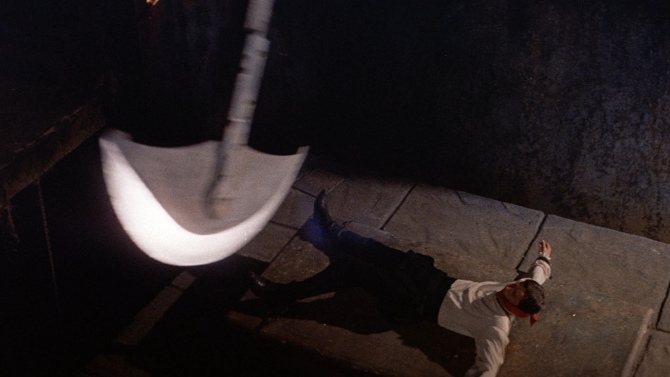
After Roger Corman’s major success with House of Usher (1960), he promptly turned to adapting another Edgar Allan Poe story to start a franchise of sorts, with The Pit and the Pendulum (1961) being an even bigger win... with it making over two million dollars on a modest budget of only three hundred thousand. Getting Vincent Price (House of Wax; Laura) back after House of Usher’s critical and commercial winnings, this time he plays Nicholas Medina, a tortured soul living in a tomb of a castle with his servants after his gorgeous wife Elizabeth (Barbara Steele – Black Sunday; The Horrible Dr. Hichcock) has seemingly died of a massive heart attack brought on by fright. Feeling as if he is truly cursed, he resides in the same place that his sadistic Spanish Inquisition father once tortured his victims, where his mother and uncle died, and now where his wife has met her untimely end. It has become so bad that even Nicholas’ sister Catherine (Luana Anders) has returned home to try and ease his sorrows.
-
Star Pick with Peter MacKay
 Victory Over Adversity in The NaturalThe NaturalSeptember 25, 2014
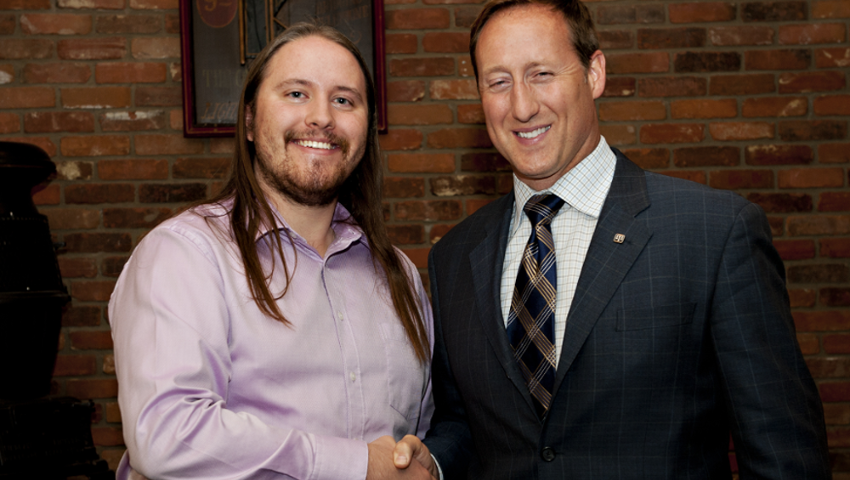
As I stood talking with The Honourable Peter McKay the night of the Children's Treatment Center Roast, his eyes lit up as the conversation turned from his comedic favourite, Stripes, to the subject of baseball and the excellent sports drama The Natural.
-
Star Pick with Peter MacKay
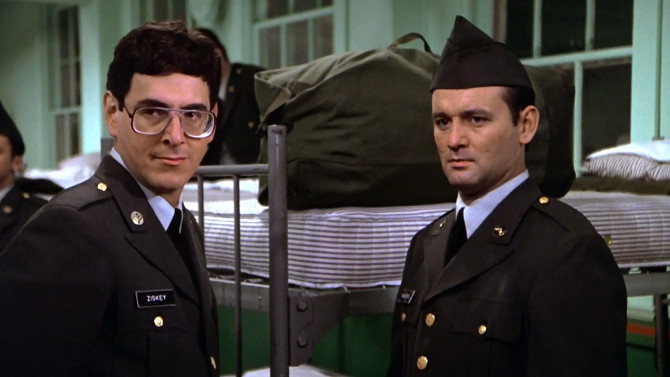
Stripes a Film Comedy ClassicStripesSeptember 17, 2014First off, Minister of Justice and Attorney General of Canada, The Honourable Peter MacKay, spoke to me about his love of film. He had two favourite movies and the first will be featured here today. It is the classic 1981 war comedy Stripes. MacKay was utterly impressed by the amazing improv that went into the film (especially from Bill Murray and John Candy) and spoke of the immense laughs it brought out of him every time he watched it. He also mentioned that the movie means more to him now that he works with the armed forces.
-
Billy Jack Finally Finds Peace
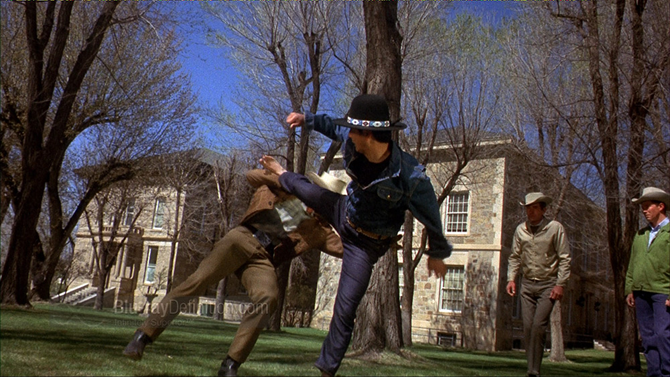
Billy JackJuly 31, 2014Hopefully this will be the last week for quite some time that I will have to start with the announcement of another actor’s death. Tom Laughlin, the co-writer, director and star of the four Billy Jack movies, passed away at the age of 82 last month. Though Billy Jack, the second film in the series, cannot be considered a ‘good’ movie by any means, it is still a B-movie cult classic that has some solid entertainment value.
-
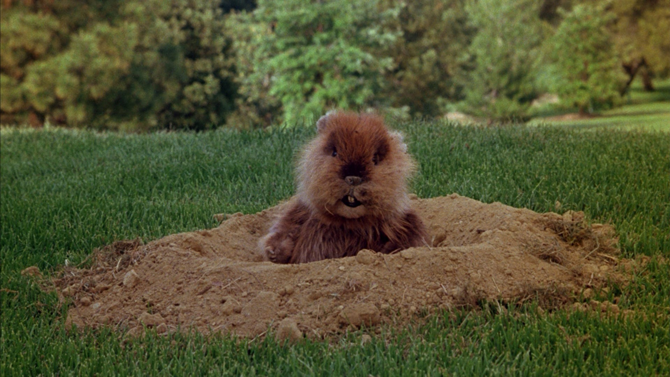
You’re Alright With Caddyshack
CaddyshackApril 13, 2014I think it is finally safe to say that spring is in the air. For me, this time of year brings to mind two things in the realm of sports: the NHL playoffs and the beginning of the golf season. I was lucky enough to run into John Lu at a Montreal Canadiens game recently and we started to talk movies. Lu, who reports on all things sports in Montreal, Habs and beyond, for TSN, was quick to name a classic sports film – Caddyshack, as his favourite comedy of all-time. For him, it was the superb cast and their talents at improvising that placed this movie a notch above the rest.
-

The Tramp Finds his Voice
The Great DictatorMarch 13, 2014In 1939, it was known that Charlie Chaplin was making a new film.
-

Westerns, Eastwood Style
High Plains DrifterMarch 10, 2014It is hard to believe that Clint Eastwood has been directing movies for over four decades. His second directorial effort, the 1973 western High Plains Drifter, is now celebrating its 40th year.