 Films That Matter
Pit Stop
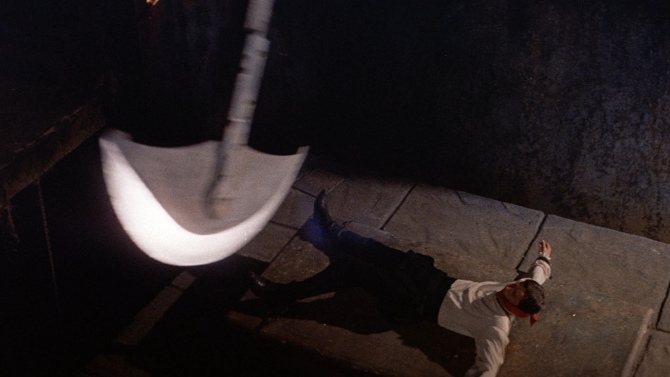
After Roger Corman’s major success with House of Usher (1960), he promptly turned to adapting another Edgar Allan Poe story to start a franchise of sorts, with The Pit and the Pendulum (1961) being an even bigger win... with it making over two million dollars on a modest budget of only three hundred thousand. Getting Vincent Price (House of Wax; Laura) back after House of Usher’s critical and commercial winnings, this time he plays Nicholas Medina, a tortured soul living in a tomb of a castle with his servants after his gorgeous wife Elizabeth (Barbara Steele – Black Sunday; The Horrible Dr. Hichcock) has seemingly died of a massive heart attack brought on by fright. Feeling as if he is truly cursed, he resides in the same place that his sadistic Spanish Inquisition father once tortured his victims, where his mother and uncle died, and now where his wife has met her untimely end. It has become so bad that even Nicholas’ sister Catherine (Luana Anders) has returned home to try and ease his sorrows.
-
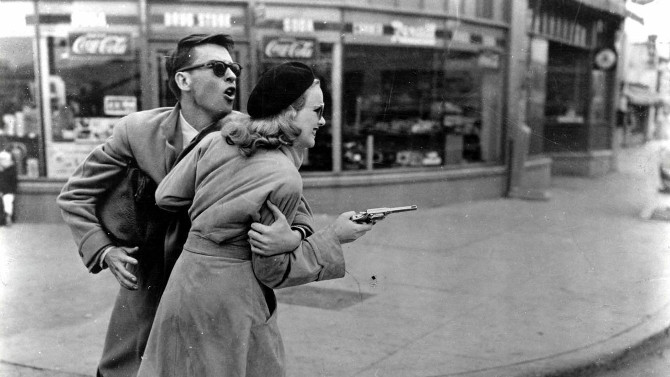
Annie Get Your Gun
Gun CrazyMay 16, 2016I am sure most of you have heard of the classic 1967 crime flick Bonnie and Clyde. Perhaps a film that is lesser known and is also based off of Great Depression bandits Clyde Barrow and Bonnie Parker (though the two characters have different names) is the legendary 1950 film noir Gun Crazy – which, when viewed, will clearly be seen as a precursor to the Warren Beatty and Faye Dunaway offering.
-
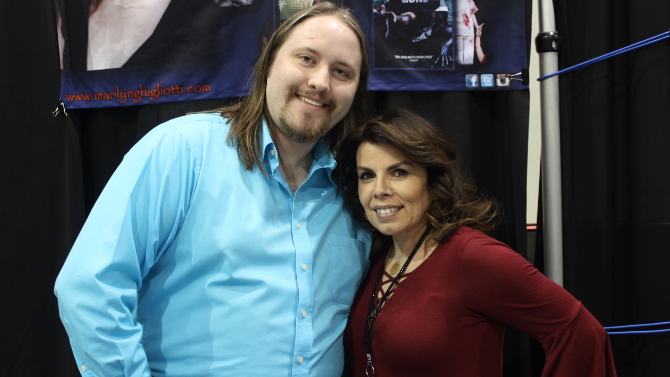
Star Pick with Marilyn Ghigliotti
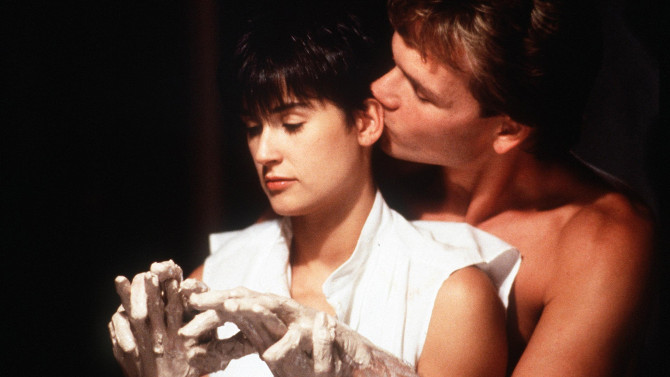
 Love After DeathGhostMay 12, 2016
There was always something highly entertaining about the late Patrick Swayze, whether he was having a comedic dance off against Chris Farley on Saturday Night Live, or he was the criminal mastermind of a surfer gang in the action flick Point Break. He always brought a charming, entertaining and realistic human side to the characters that he portrayed. One role that epitomises his varied career is the romantic dramedy Ghost.
-
Vigilante Justice USA/UK Style
 Dirty HarryGet CarterMay 6, 2016
Dirty Harry, starring the legendary Clint Eastwood, has to be one of the most iconic characters in film history. Eastwood truly brings the essence of Harry Callahan to life, delivering a gritty performance that captures the hero’s gruff, no nonsense ways and vigilante-style justice. In 1971, the same year Eastwood starred in Dirty Harry, Michael Caine was cast as the lead in a British motion picture called Get Carter, which carries many of the same themes.
-
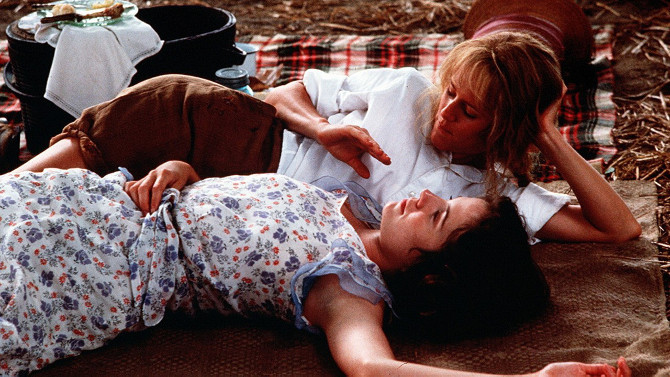
A Southern Delicacy
Fried Green TomatoesMay 3, 2016Certain novels, and their respective films, capture the beautiful yet complicated nature of the American south. The Adventures of Tom Sawyer and To Kill a Mockingbird are two such examples. A third book that has been transformed into a motion picture that illustrates this intriguing subject is Jon Avnet’s 1991 movie Fried Green Tomatoes.
-
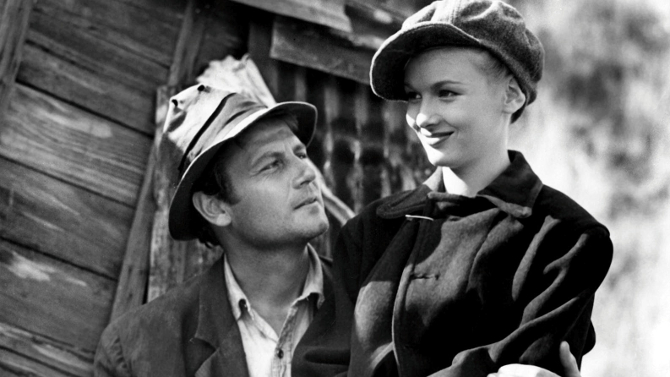
These Vagabond Shoes Are Longing to Stray
Sullivan's TravelsApril 22, 2016It is interesting to chart the history of how time affects the status of actors, directors and the like. Some stars, though long since passed, have lasted the test of time – their names still bandied about in common conversations and the current lexicon. When watching a thriller, we may quickly reference Alfred Hitchcock, or while enjoying the manoeuvres of a physical comic, our minds may harken immediately to Charlie Chaplin or Chris Farley. Yet, it is equally as intriguing to investigate how certain names that were once so prevalent in their own era have become unknown to the common viewer – where only true film afficionados know their reach and influence. This seems to be the case with the highly talented comedic filmmaker Preston Sturges.
-
Two Timeless Classics from Buster Keaton
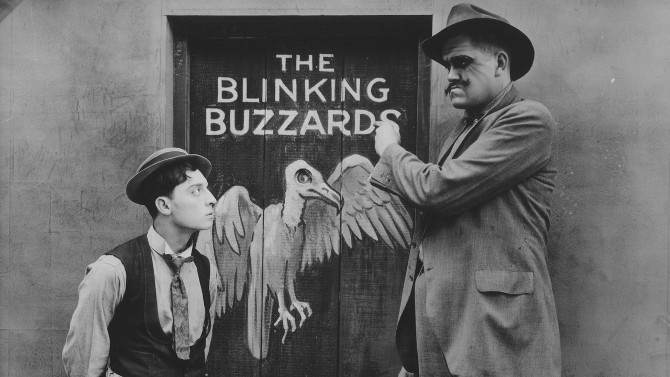
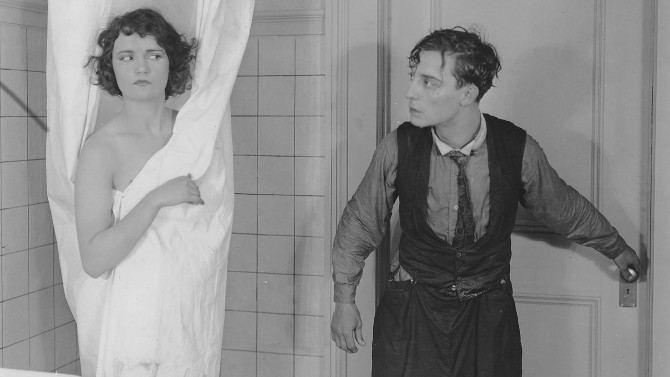 One WeekThe 'High Sign'April 15, 2016
The triumvirate of silent era comedians, in no particular order, are as follows: the ever famous Charlie Chaplin, the oft forgotten Harold Lloyd and ‘The Great Stone Face’ Buster Keaton. As I have already reviewed a film of Lloyd’s and several of Chaplin’s, I thought it would be a good time to visit some of the work of Keaton’s acrobatic and stoic-faced silent era screen personas. To change things up a tad, I also thought it would be fun to look to some of his earlier short films instead of his more iconic full length features like The General.