 Films That Matter
Between the Devil and the Deep Blue Sea
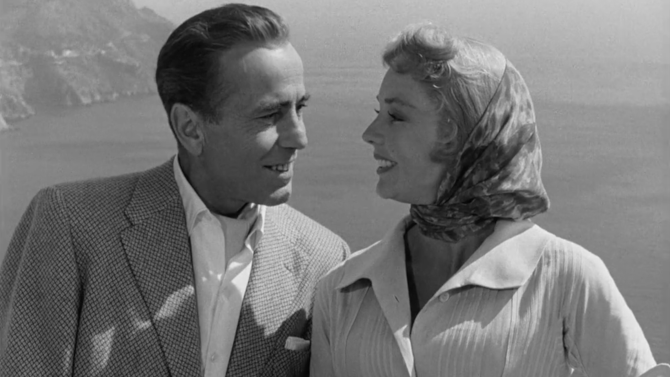
What would seemingly have been a massive hit crime film with an utterly impressive cast, Beat the Devil (1953) instead became a most bizarre experiment. With unhappy director John Huston having thrown the script out the window, he brought in the legendary Truman Capote to then help him co-write the story based upon British journalist Claud Cockburn’s novel of the same name at the very last minute. With a cast already assembled in Italy, names like Humphrey Bogart, Jennifer Jones, Gina Lollobrigida (in her first English language movie), Peter Lorre and others were simply sitting there and waiting to get started.
-
What Could Have Been: Wacko
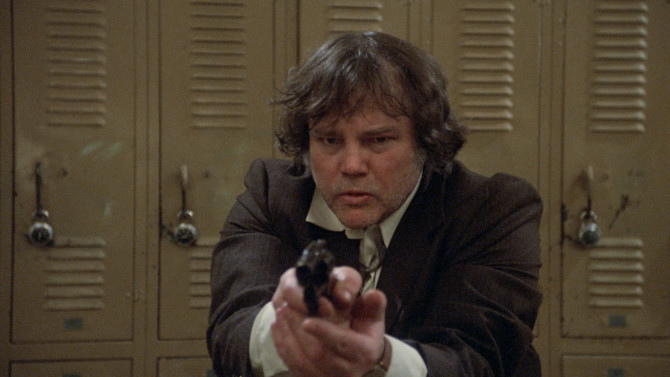
July 27, 2020Eighteen years before Scary Movie ruthlessly parodied countless horror tropes (leading to four sequels that varied from hilarious to unwatchable), there was an original spoof film that prodded at the intricacies of the horror genre, 1982's Wacko, directed by Greydon Clark. In a way comparable to Mel Brooks’ High Anxiety (I know what you’re thinking – how?), Brooks and his team fell into the trap of spending more time trying to honour and satirize Alfred Hitchcock’s motion pictures instead of forming a workably entertaining story. Similarly, the most fun you’ll have watching this disjointed effort is looking for the references to other horror movies – and less so the product as a whole.
-
What Could Have Been: My Wife’s Relations
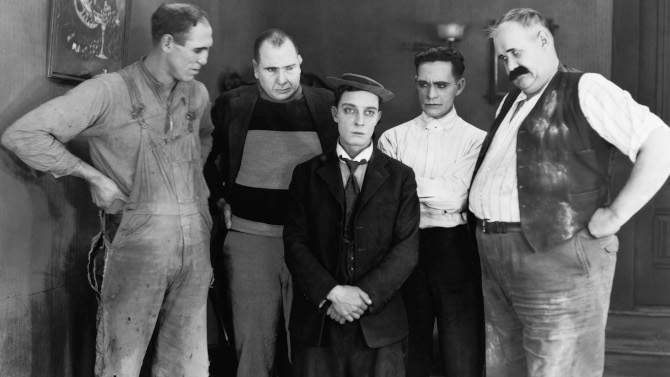
July 12, 2020Opening in a way only a Buster Keaton short film seems to be able to, an accidental confrontation between a mailman and the main character (leading to a letter, by chance, falling into the hands of the man, as well as a broken pane of glass as a result of the postal worker’s anger), followed by another clash between the always in the wrong place protagonist and a bullish woman – who assumes the diminutive man must have done the damage to the window. . . then throw in a Polish priest (who doesn’t speak English) making his own assumptions, and somehow, Keaton becomes Husband, and this woman, played by Kate Price, becomes Wife, in 1922's My Wife’s Relations, written and directed by both Buster Keaton and Edward F. Cline.
-
Truth and Soul
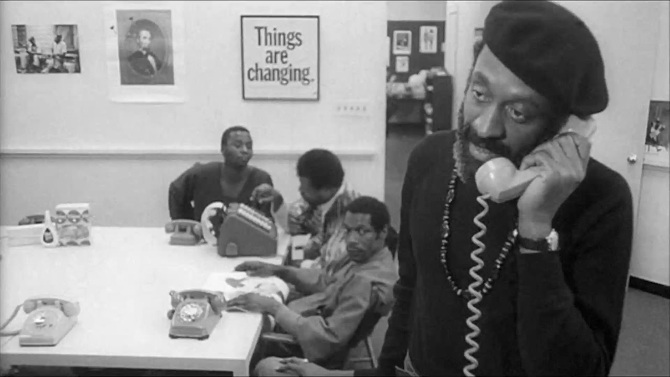
Putney SwopeJune 25, 2020We often generalize that old movies are dated. . . and, in some ways, this is true. Sometimes dialogue, fashion, cinematography, and numerous other aspects of a production can come across as old fashioned, yet human beings don't evolve quickly, and a well written romance, drama, comedy, or satire is practically timeless. For an example not related to the film being reviewed today, Charlie Chaplin's cocaine joke from Modern Times (though closing in on 90 years old), is still as funny today as it once was. A satire as rich and relevant today as it was when it was released back in 1969, Putney Swope, written and directed by Robert Downey Sr. (yes, Iron Man's father), holds a comedic magnifying glass up to our present predicament in regards to race and business. Opening with a magnificent overhead shot of New York City, a rather shockingly dressed Southerner (motorcycle gang member meets redneck) arrives in the Big Apple to provide a consult for an executive board of directors of an advertising firm (a large group of middle to aged white men with a token black man - in charge of the music department).
-
Heist Heist Baby
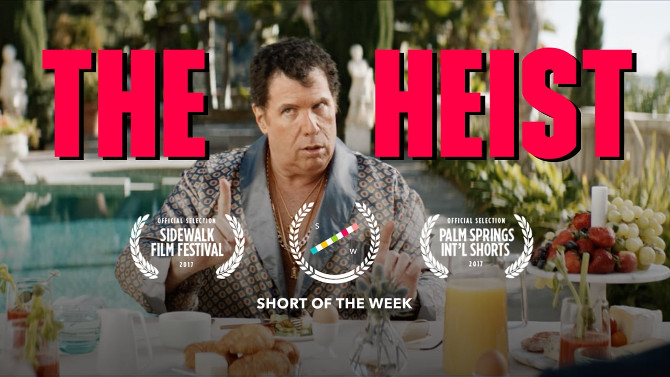
The HeistJune 4, 2020What does it take to gather the perfect heist team? Judging from the movies we’ve all watched countless times before, I think that we have a pretty good idea of what it takes. Pulling from those same flicks and flipping them on their head for comedic effect, The Heist (2017), directed by Luke Harris, is a four minute short film with slick style, visual flair, and high-octane pacing. Riffing off of the Ocean 11's and Guy Ritchie’s of the world, The Heist finds two handsomely good looking guys, Leo (Shaw Jones) and Pete (Shawn Parsons), pitching an aging mobster, Pauly (Steven Wishnoff) – who is relaxing in a bathrobe, no less, on their plan for the perfect heist, by a lavish swimming pool. . . in what sounds more like a producer’s pitch meeting. Amplifying the stakes of even the most outlandish of the genre (and that is saying something), the pair then start listing their team for this hesitant moneyman (of course, done in a brisk montage style) – from the talented getaway driver and explosive’s expert with a self referential nickname, to the black guy with a cockney accent and “the bad ass who just got his ass kicked but still has the guts to say, ‘Is that the best you got?’”. . . I think you get where they’re going with this gag-filled extravaganza.
-
One Night To Remember
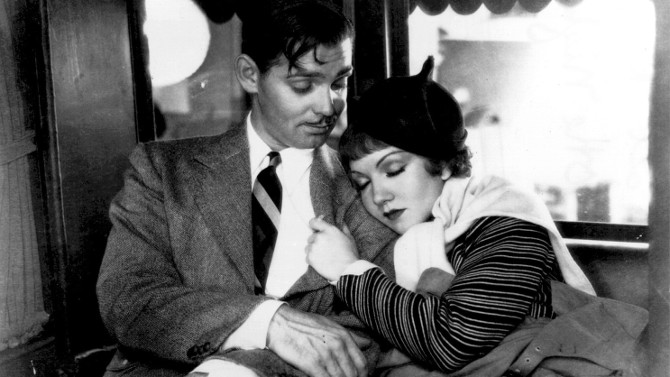
It Happened One NightMay 5, 2020It Happened One Night. . . what, you must be wondering? Well, on February 27th, 1935, at the 7th Academy Awards, the aforementioned film became the first ever to win the so-called ‘Big Five’ – Best Picture, Best Director (Frank Capra – his first of three wins for this category in the decade), Best Actor (Clark Gable), Best Actress (Claudette Colbert), and Best Screenplay – in this case, Adapted (Robert Riskin – based on the short story “Night Bus”). . . a rare feat that has only been replicated twice more (with 1975's One Flew Over the Cuckoo’s Nest and 1991's The Silence of the Lambs). Often referred to as the first great romantic comedy as well as the first screwball comedy, all of this success and glory was not guaranteed. Capra, a director at Columbia Studios. . . a name that, at the time, equated to ‘Poverty Row’, was not known as a major studio.
-
Star Pick with Oliver Phelps
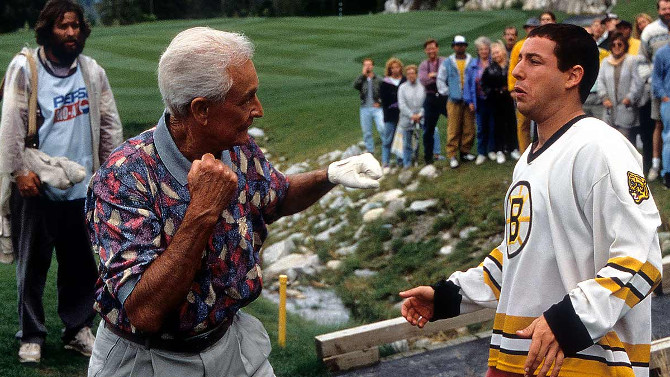
 Happy EndingHappy GilmoreApril 1, 2020
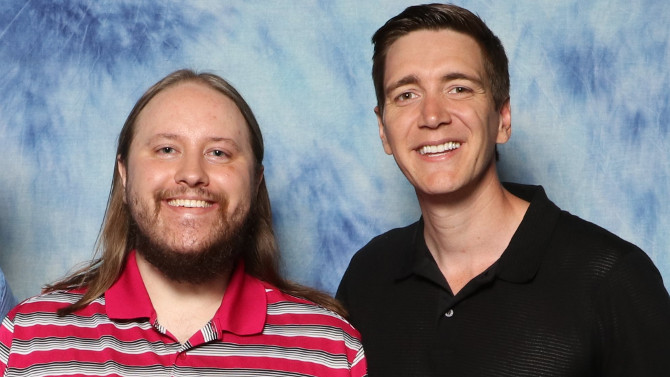
To bring you back to a Star Pick interview I posted a few months ago, actor James Phelps revealed his favourite film to me as his brother prodded him playfully – here is the entertaining retelling: a self professed history buff, as James spoke of his love of the film The Lives of Others (its engrossing story, fascinating characters and intriguing visuals immediately catching his cinematic eye), Oliver chimed in, with a rascally smile – “It’s also because he is a secret Communist”. . . James firing back, “I wouldn’t go that far” – his own face featuring an impish grin. Capturing the same dynamic found in their most famous roles, the pair are like a vaudeville act, finely tuned, James playing the straight man to Oliver’s more overt comedic personality. The famed Weasley twins from the Harry Potter franchise, the pair are known the world over as the scampish older brothers of Ron – roles that provided them with many of the best laughs found throughout the eight movies. Having left you hanging a bit longer than you might have liked, I am sure that many of you have probably been wondering just what Oliver chose as his favourite film.