 Films That Matter
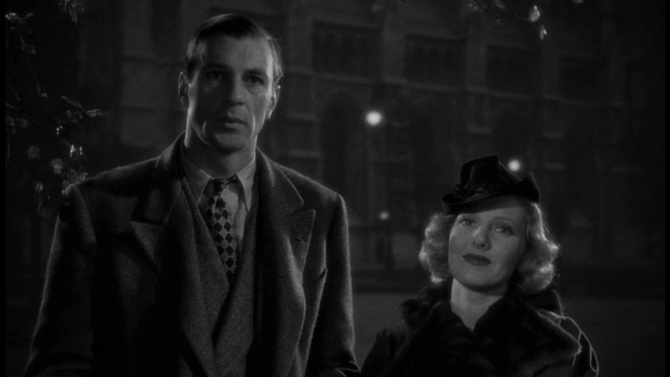
Giving is Receiving
After a middling success with Broadway Bill (1934), Frank Capra wanted to return to the gargantuan success he had with his film released earlier that year, the rare Academy Award winner of the ‘Big Five’, It Happened One Night. Turning pen to paper with his then go to writer Robert Riskin, they worked on developing a tale based upon Clarence Budington’s short story “Opera Hat” – which was turned into serial form in The American Magazine, and it soon became the director’s biggest box office success yet, Mr. Deeds Goes to Town (1936). Certainly part of why Frank Capra’s work would become known as ‘Capracorn’, this feature thrives thanks to its Great Depression setting (which was obviously still a major problem at the time), sweetly sentimental charm, and its belief in a humanist outlook.
-
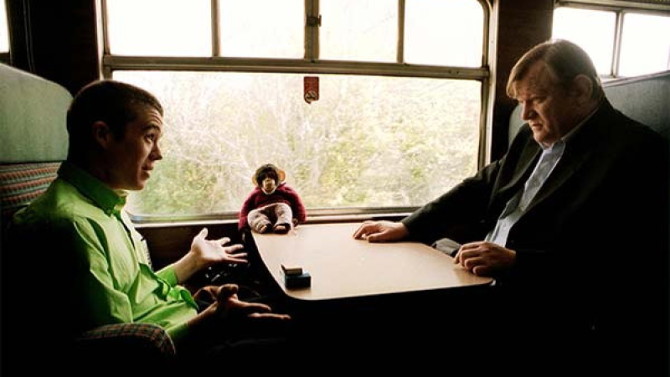
Train Wreck
Six ShooterJanuary 9, 2018There are many actors and directors that I have long championed, one of which is filmmaker Martin McDonagh. More of a household name today than a few days ago, this past Sunday he took home both Best Screenplay and Best Motion Picture - Drama at the 2018 Golden Globes for his film Three Billboards Outside Ebbing, Missouri (the feature also won for Best Actress - Drama: Frances McDormand, and for Best Supporting Actor: Sam Rockwell). First and foremost a British/Irish playwright, McDonagh made his feature film debut in 2008 with the tragically under-seen In Bruges – a movie that will be reviewed on Filmizon.com in due course. This was followed by a 2012 American/British co-production, Seven Psychopaths, another intriguing film. His third is the award winner from Sunday. . . though many probably do not know that McDonagh won an Academy Award back in 2005 for Six Shooter, earning the golden figurine for Best Short Film, Live Action (his true first effort into the foray of film making).
-

Flying the Nest
Lady BirdDecember 10, 2017Indie darling Greta Gerwig makes her solo writing/directorial debut with Lady Bird, a coming of age film that has been building strongly towards the 2017-2018 Awards season. . . earning an almost unheard of rating of 100% on Rotten Tomatoes. Many of the plot points will sound familiar when it comes to a coming of age tale – teen angst, strife between mother and daughter, obsession with sex and losing your virginity, first love, applying for colleges, joining the school theatre club, crushes on teachers and other such things; though, it is not these things that are truly important, but rather the honest, realistic voice in which it is told.
-
CAUTION: Help Needed
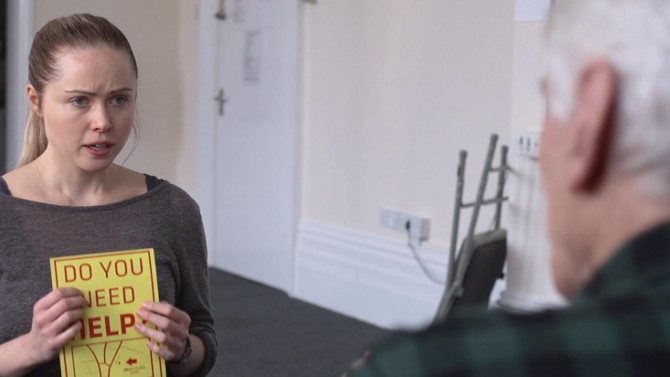
Punch BagSeptember 24, 2017Human nature is fickle. For all the good things that come with it, there is a belief, even a drive, to be right. Perhaps best termed a stubborn streak, we feel that we alone can have the appropriate perspective on an issue, leading to countless gripes between neighbours or amongst family members. It is likely that, if we travelled back two thousand years, Ancient Romans would be having similar tiffs in which both believe they are in the right. It is this scenario that comes to life in the absurdist 2017 short film Punch Bag, a dark comedy with a unique vision. Written and directed by Daniel Harding, the narrative follows Naomi (Ingvild Deila), a woman who finds herself in one such similar situation, disgruntled with the intrusive noise of her neighbours. Finding a striking yellow and red pamphlet that offers aid for such matters, she waits outside the business office, growing more hesitant to enter after hearing the lopsided row going on inside.
-

You Won’t Get Sick of This
The Big SickJuly 16, 2017Beginning with a limited release, The Big Sick took hold of the 2017 highest grossing theatre average take, giving the little independent-picture-that-could positive word of mouth, and just as importantly, momentum, going into its wide release this July 14th, 2017 weekend. Labelled as a romantic comedy. . . and there are most definitely many of those elements found within it, in many ways it is the emotional dramatic flourishes that stand out, and, when fused with those laugh induced moments, make for a nuanced, exquisitely crafted dramedy.
-
Persona Non Grata?
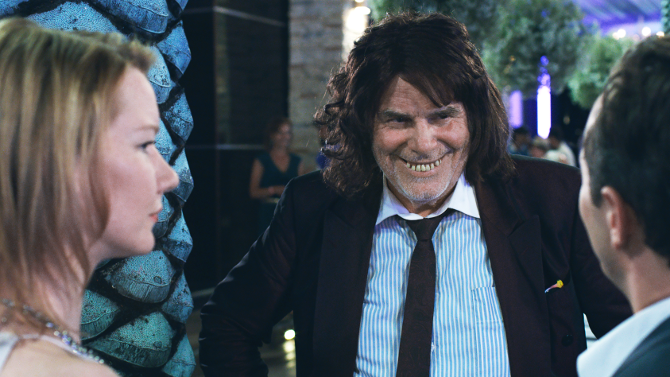
Toni ErdmannJune 25, 2017At its heart a story about a complex father/daughter relationship, with 2016's Toni Erdmann, writer/director Maren Ade charts her tale down a highly original course as the pair work out their many issues in the most unorthodox of ways. The German motion picture was nominated for Best Foreign Language Film at the Academy Awards this past year, with many seeing it as the outright favourite. . . it lost to the more politically relevant Iranian film The Salesman – Asghar Farhadi’s second win in this category. Winfried Conradi (Peter Simonischek) is an all-out kook – a prankster who loves playing games with everyone he meets. Like a child in a man’s body, we first meet Winfried as he receives a package from a courier. Claiming that it is his brother’s (and that he was just released from jail for putting bombs in the mail), he leaves, returning moments later with a new outfit and fake teeth, pretending to be his criminally eccentric sibling.
-

Where the heART Is
MaudieMay 19, 2017An intimate character study, 2016's Maudie, written by Sherry White and directed by Aisling Walsh, fuses familial drama with Canadian East Coast humour. Beginning in the 1930's, the story is based on the real life of Canadian folk artist Maud Lewis – the titular character is brought to vivid life by the ultra-talented Sally Hawkins. Born with a bad case of juvenile arthritis, Lewis is a woman of strong will due to her affliction. With a bad limp, awkward disposition and secret from her past, she is seen by the community at large as being different. . . also, a stain upon their family according to her holier-than-thou Aunt Ida (Gabrielle Rose) and overly patriarchal brother, Charles Dowley (Zachary Bennett). One example of his ways – he sells off their parents’ home soon after their death without even telling his sister beforehand.