 Films That Matter
Giving is Receiving
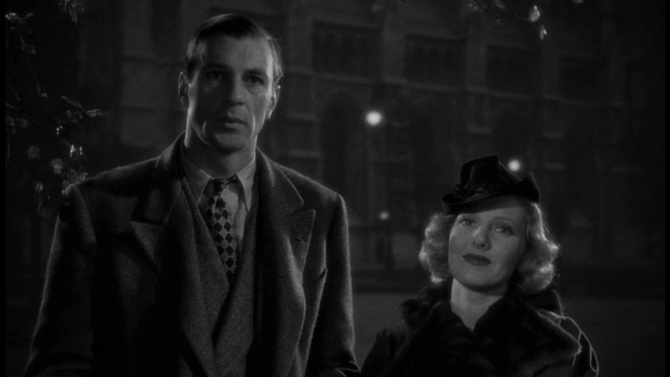
After a middling success with Broadway Bill (1934), Frank Capra wanted to return to the gargantuan success he had with his film released earlier that year, the rare Academy Award winner of the ‘Big Five’, It Happened One Night. Turning pen to paper with his then go to writer Robert Riskin, they worked on developing a tale based upon Clarence Budington’s short story “Opera Hat” – which was turned into serial form in The American Magazine, and it soon became the director’s biggest box office success yet, Mr. Deeds Goes to Town (1936). Certainly part of why Frank Capra’s work would become known as ‘Capracorn’, this feature thrives thanks to its Great Depression setting (which was obviously still a major problem at the time), sweetly sentimental charm, and its belief in a humanist outlook.
-
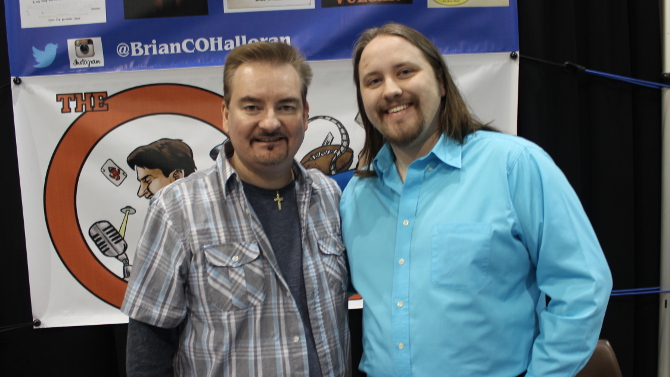
Star Pick with Brian O'Halloran
 In the Heat of the Day… and NightDo the Right ThingMay 25, 2016
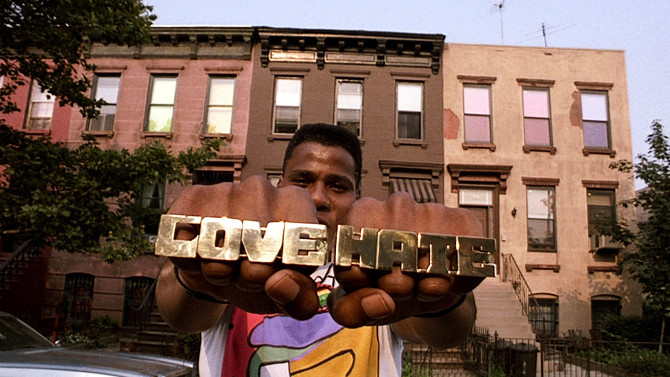
Often considered the best film of 1989, Spike Lee’s Do the Right Thing sets the tone early with Rosie Perez (who plays Tina) dancing to Public Enemy’s song "Fight the Power". It was rather interesting to learn that Lee was actually influenced by Ann Margret’s opening in Bye Bye Birdie (which has a very different vibe). In any case, what follows is a powerful, character driven dramedy that widely encompasses life, death, race, poverty and everything in between – all found within the neighbourhood of Bedford-Stuyvesant, Brooklyn.
-
Star Pick with Marilyn Ghigliotti
 Love After DeathGhostMay 12, 2016
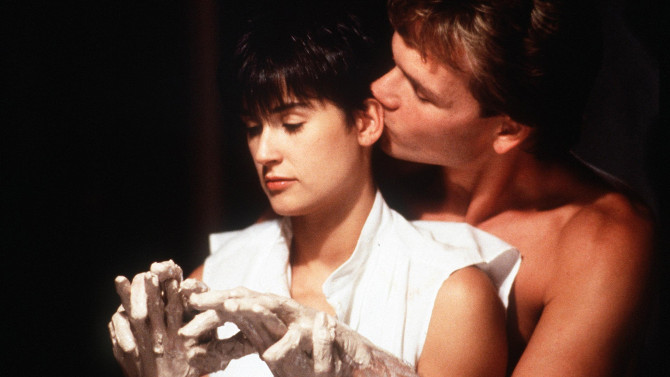
There was always something highly entertaining about the late Patrick Swayze, whether he was having a comedic dance off against Chris Farley on Saturday Night Live, or he was the criminal mastermind of a surfer gang in the action flick Point Break. He always brought a charming, entertaining and realistic human side to the characters that he portrayed. One role that epitomises his varied career is the romantic dramedy Ghost.
-
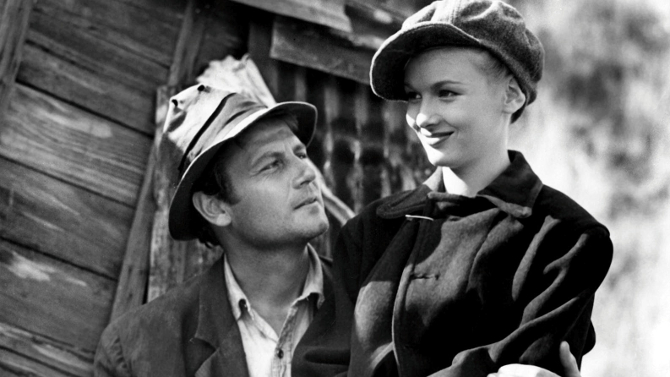
These Vagabond Shoes Are Longing to Stray
Sullivan's TravelsApril 22, 2016It is interesting to chart the history of how time affects the status of actors, directors and the like. Some stars, though long since passed, have lasted the test of time – their names still bandied about in common conversations and the current lexicon. When watching a thriller, we may quickly reference Alfred Hitchcock, or while enjoying the manoeuvres of a physical comic, our minds may harken immediately to Charlie Chaplin or Chris Farley. Yet, it is equally as intriguing to investigate how certain names that were once so prevalent in their own era have become unknown to the common viewer – where only true film afficionados know their reach and influence. This seems to be the case with the highly talented comedic filmmaker Preston Sturges.
-

Where the Limelight Never Fades
LimelightJanuary 5, 2016There may not be a man who better exemplifies the heights in which one can rise and then fall than the legendary Charlie Chaplin. The British immigrant perfectly illustrates the ‘American Dream’. He started as a vaudeville performer, then became a silent film star – he had already signed a million dollar contract in the 1910's. By early 1919, he had formed United Artists with partners Douglas Fairbanks, Mary Pickford and D.W. Griffith – giving him control over the quality of his beloved product.
-
Star Pick with Nathan Andrew Jacobs
 WANTED Someone to Go Back in Time With MeSafety Not GuaranteedJanuary 1, 2016
Sometimes it is not easy to qualify exactly what genre a movie is. Safety Not Guaranteed is one of those films. The 2012 picture was recommended to me by Nathan Andrew Jacobs, the writer/director of the independent film Killing Poe, who stated that it was an excellent Indie film that should be seen by more people.
-

The Tramp Finds his Voice
The Great DictatorMarch 13, 2014In 1939, it was known that Charlie Chaplin was making a new film.