 Films That Matter
A Deadly Good Time
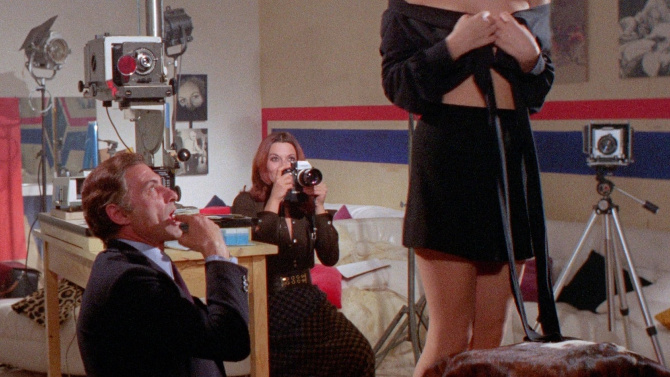
A slightly more obscure giallo released during the heyday of the craze, co-writer/director Silvio Amadio’s Smile Before Death (1972) is a psychological mystery thriller that certainly pushes the boundaries of the already boundary-pushing Italian genre. Amadio starts with a wild opener, as wealthy Dorothy Emerson (Zora Gheorgieva) is found brutally murdered by an unknown assailant... with it promptly being classified as a suicide by the incompetent police, this then turns into a slow burner of sorts.
-
Fit to be Tied
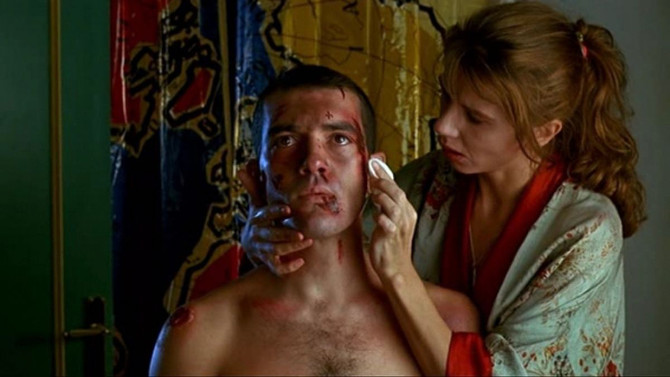
Tie Me Up! Tie Me Down!August 5, 2016Dealing with the unnerving and dangerously disturbing topic of the Stockholm Syndrome, Pedro Almodóvar uses deft humour, rich engaging (as well as flawed) characters and a solid story to concoct one of the more unusual romances in film history. The title of said motion picture is Tie Me Up! Tie Me Down!, released in 1989 to much fanfare and equally as much controversy. The winner of several festival awards (as well as being lauded as a superb film in Spain), it received an X rating in the United States (equal to that of a hardcore pornography film) – with the MPAA disliking two scenes as well as the crime aspect of the story (which they thought could influence young males to commit kidnapping much like the main character). To paraphrase Almodóvar, he humourously exclaimed that he does not make movies expecting that the entire audience will be psychopaths. In the end, it was this movie that led the MPAA to create the new rating of NC-17, which still exists today, and if given, usually kills a movie’s box office chances much like the X rating.
-

Czech Please
Valerie and Her Week of WondersAugust 2, 2016Considered one of the great films of the Czech New-Wave, Valerie and Her Week of Wonders takes the viewer on an unorthodox nonlinear journey through a bizarre, sensual, dream-like fantasy world where the lead character, Valerie (Jaroslava Schallerová), is just budding into womanhood. Seen through the eyes of the impressionable, pure, and innocent ingenue, we are not sure if what we are seeing is, in fact, reality, or whether it is dream (or perhaps more accurately – nightmare), or projections of what coming into adulthood is like, or some mixture of them all.
-
I Want to Ride My Bicycle. . .
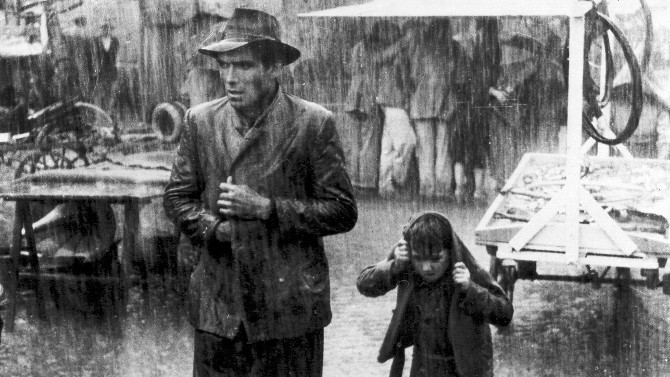
Bicycle ThievesJuly 10, 2016Vittorio De Sica’s 1948 classic Bicycle Thieves is a prime example of Italian Neo-Realism. The genre, which spanned a short ten or so year period during the 1940s and 1950s, highlighted life of ordinary, working class (and often impoverished) individuals who were dealing with the stresses of day to day life in Italy during or shortly after World War 2. Previously, Italian filmmakers had had their artistic scope and perspective limited by the fascist government of Benito Mussolini (for more than twenty years) and this style of motion picture was a reaction to it. Filmed in a semi-documentary fashion (typically on a low budget), the streets of Rome and other cities were used instead of the safety of studios to depict relevant social themes of otherwise common people.
-
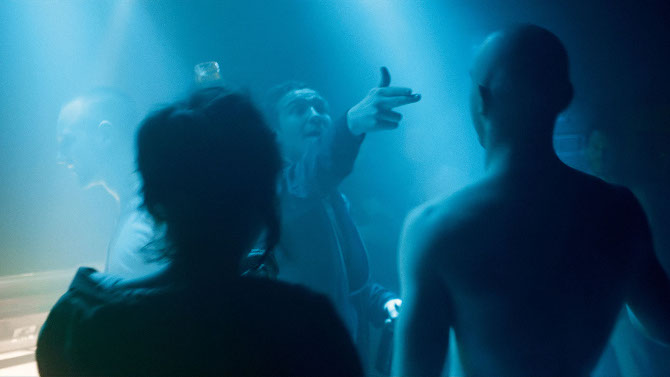
Take A Shot
VictoriaJuly 3, 2016I have always been fascinated by directors who utilize long takes in their films. By concocting a lengthy shot, filmmakers expect the most from their actors as well as the cameramen, and in so doing, make the audience feel as if they are walking the same path that the characters are journeying. Numerous directors have been successful at elongating the editing pace in which we are accustomed to, a few that immediately come to mind are Brian De Palma, Alfonso Cuarón and Martin Scorsese.
-
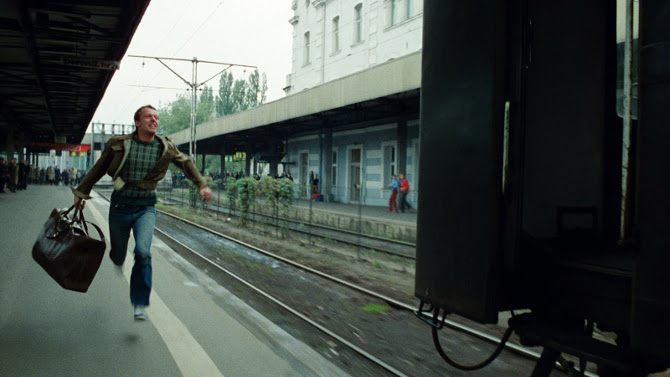
If You Get a Chance. . .
Blind ChanceJune 26, 2016Back in the early 1980's, Polish writer/director Krzysztof Kieslowski made a film titled Blind Chance, which scrutinized the concepts of luck, predetermination, and how one minuscule happening (through blind chance) can change your life in wholly different ways. Filmed at the heart of the Solidarity Movement in Poland (a time when people rose up against the Communist government in the form of a trade union first led by Lech Walêsa – which led to greater freedom for a few years), Kieslowski
-

Movin’ On Up
The Raid: RedemptionJune 24, 2016I must admit that martial arts action flicks have never been my favourite. That is not to say that I will not watch them, it is just that I generally lean towards other styles before I would choose this type of movie. I recently saw the 2011 action film The Raid: Redemption, a motion picture that falls within this genre and was impressed by its extensive fight scenes.