 Films That Matter
A Deadly Good Time
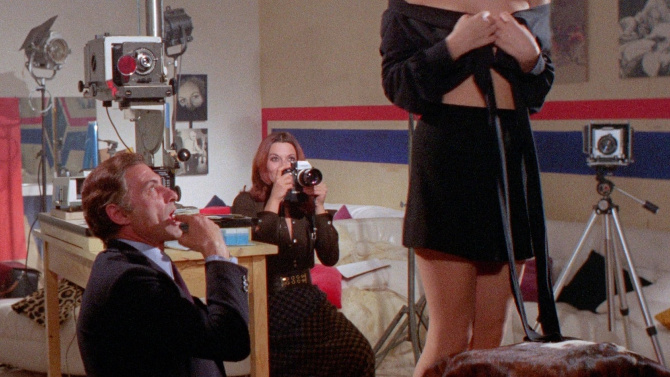
A slightly more obscure giallo released during the heyday of the craze, co-writer/director Silvio Amadio’s Smile Before Death (1972) is a psychological mystery thriller that certainly pushes the boundaries of the already boundary-pushing Italian genre. Amadio starts with a wild opener, as wealthy Dorothy Emerson (Zora Gheorgieva) is found brutally murdered by an unknown assailant... with it promptly being classified as a suicide by the incompetent police, this then turns into a slow burner of sorts.
-

Somalia Like It Hot
Escape from MogadishuJuly 6, 2022Okay, let’s set the scene: it is the early 1990s, and conflict is afoot in Somalia. The Barre government continues to be in power, but a well armed rebel force is slowly encroaching on the capital city of Mogadishu. It is in this jarring upheaval that both the South and North Korean governments have turned to Somalia for assistance with entry into the United Nations. This is the harrowing subject of the 2021 historical action drama, Escape from Mogadishu. Directed by Ryoo Seung-wan, he expertly paints a vivid picture – stunning locales (mostly Morocco – a striking stand-in that feels wholly alive), politically savvy and inexperienced characters, as well as very real civil unrest litter this narrative. The South Korean embassy is led by ambassador Han Shin-sung (Kim Yoon-seok), while its Northern counterparts follow ambassador Rim Yong-su (Joon-ho Huh).
-
Cliff Hanger
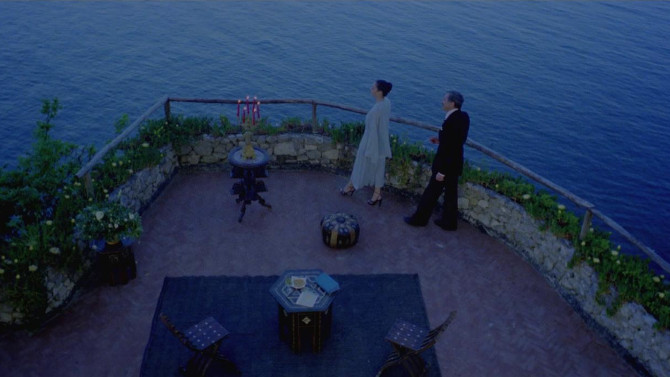
The Sister of UrsulaMay 25, 2022Set at a luxurious Italian seaside hotel during the much less touristy off season, the location is the stuff a vacation dream is made of... unless you’re in a giallo plot, then things might take a nosedive right off that very cliff-side. This is the setting of the sexy giallo The Sister of Ursula (1978), written and directed by Enzo Milioni. Following a pair of sisters, Dagmar (Stefania D’Amario) and Ursula (Barbara Magnolfi), they are on a mission – as the rather horrid death of their father has led them to search for their runaway mother... who left them when they were very young – after she made it famous as an actress. This search has brought them to the aforementioned resort
-
Unsolved Murder Mystery
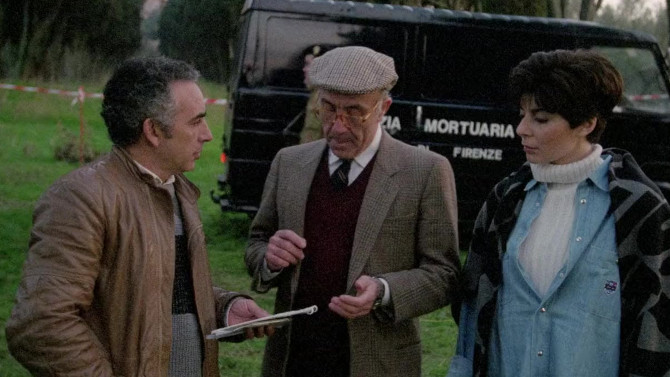
The Killer is Still Among UsMay 2, 2022A late entry into the realm of the giallo, 1986's The Killer is Still Among Us, directed by then first time film maker Camillo Teti, comes across as rather meta and self-aware... after all, how often do you see a couple go to a giallo in a giallo? Based off of the true story of a serial killer known as “the Monster of Florence”, poor young couples, looking for love in all the wrong places (and by that, I mean in secluded, wooded areas), are being picked off by an unknown assailant... sometimes using a gun, at others, a knife.
-
Endemic Pandemic
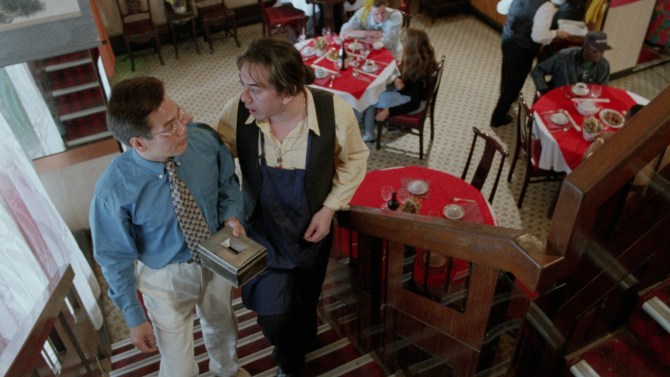
Ebola SyndromeMarch 23, 2022Well, this is a first. . . watching an exploitative pandemic themed film during a real life pandemic – talk about making the subject matter much more horrifyingly effective! An aggressively edgy Hong Kong feature that deservedly received the restrictive Category III rating (like the dreaded X found in many other places in the world, it means no one under the age of 18 is allowed into theatres to see it), Herman Yau’s Ebola Syndrome (1996) might make your skin crawl in more ways than one. Not for the faint of heart, the piece is centered upon a psychopathic, sex crazed lowlife criminal, Kai (Anthony Chau-Sang Wong) – who likes nothing better than schtupping his crime boss’s younger wife. Unceremoniously interrupted by the big man himself, instead of taking the harsh punishment, he decides to kill his way through man, wife, as well as bodyguard, promptly fleeing the country while leaving one witness behind – the boss’s young daughter, Lily (played as an adult by Chui Ling).
-

Crash of the Titane
TitaneMarch 1, 2022Titane, Julia Ducournau’s second feature film (and the winner of the Palme d’Or at the Cannes Film Festival in 2021), is a bit like a cinematic car – with the disfigured metallic body of David Cronenberg’s Crash, the scary powerful engine of John Carpenter’s Christine, and an interior reminiscent of the essence of French cinema itself (with a hint of late Hitchcock experimentation), this vehicle displays quite the unique package. Living in some sort of dreamscape (that often lingers in a more nightmarish realm), Ducournau embodies the piece with a fantastical essence – like a sleep-induced vision, much of the narrative seems rooted in reality, yet with delusory elements that make us question the supposed corporeality of the story.
-
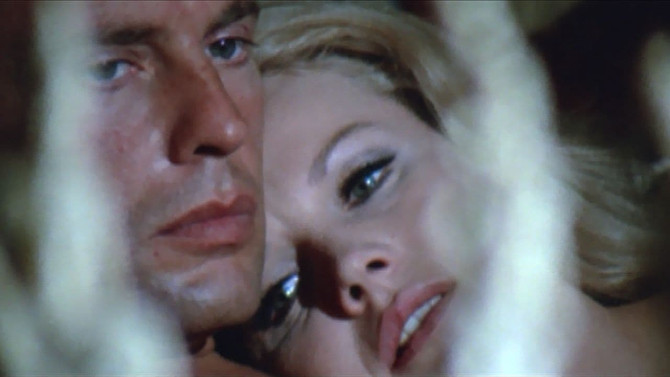
So It Goes… In a Giallo
So Sweet... So PerverseDecember 6, 2021A sugar stalker, milk chocolate peeping Tom, juice sucker, and cookie cadaver all mean... well, absolutely nothing, but they sure do sound like they would fit nicely in the 1969 giallo So Sweet... So Perverse, directed by Umberto Lenzi. Inspired by the movie that started the whole twist-ending trend, Henri-Georges Clouzot’s Les Diaboliques (1955), the narrative follows Jean Reynaud (Jean-Louis Trintignant), a wealthy businessman living in Paris. Married to disenchanted Danielle (Erika Blanc), he is more interested in playing the field (from what we hear, so is his wife), rather than spend time in their expansive third floor apartment together.