 Films That Matter
A Deadly Good Time
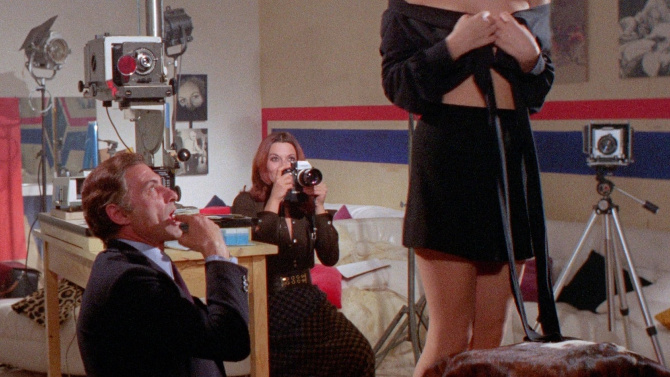
A slightly more obscure giallo released during the heyday of the craze, co-writer/director Silvio Amadio’s Smile Before Death (1972) is a psychological mystery thriller that certainly pushes the boundaries of the already boundary-pushing Italian genre. Amadio starts with a wild opener, as wealthy Dorothy Emerson (Zora Gheorgieva) is found brutally murdered by an unknown assailant... with it promptly being classified as a suicide by the incompetent police, this then turns into a slow burner of sorts.
-
Morgue-Gauge
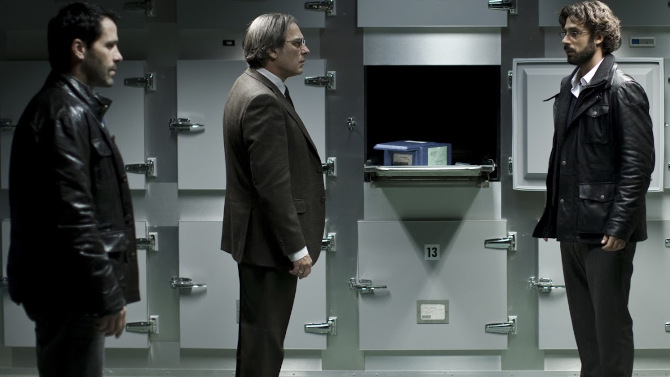
The BodyFebruary 24, 2021Sometimes a ‘From the Producers of’ label found during a trailer (or slapped across a DVD or Blu-Ray) can be a very misleading thing, yet, in this case, it is wholly justified. One of the most intense, dark, and intriguing groupings of mystery/thrillers (with horror elements) to come out over the past twenty years are three Spanish language films, all starring Belén Rueda. Starting with the most well known, 2007's The Orphanage, it was then followed by 2010's Julia’s Eyes, this Producers’ trilogy closing with 2012's The Body (reviewed here today. . . write-ups on the other two can also be found on Filmizon.com). Co-written and directed by Oriol Paulo, he sets his story (for the most part) in a most disturbing place – the morgue. On this dark stormy evening, we find the night guardsman fleeing the remote locale with a fear that can only be described as primordial (akin to seeing a ghost). . . he is soon after struck by a car (leaving him in a coma).
-
Room With a Bloody View
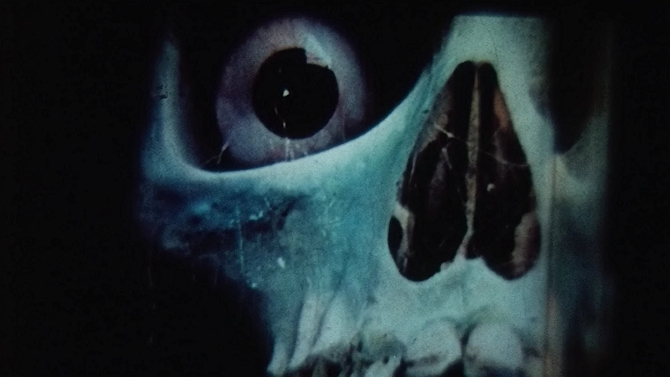
The Girl in Room 2AJanuary 17, 2021A rare giallo that is co-produced and directed by Americans, 1974's The Girl in Room 2A fuses the prototypical Italian suspense/thriller with the claustrophobia and psychedelic visions found in Rosemary’s Baby, the gothic horror of Edgar Allan Poe (specifically, the macabre 1964 Roger Corman rendition of The Masque of the Red Death starring Vincent Price), American exploitation. . . as well as a few other touches (you might see some Psycho and early slasher film samplings pop in here). Co-produced by eccentric exploitation maestro Dick Randall (if you think of the infamous Weng Weng Filipino James Bond spoof For Y’Ur Height Only, this should give you an idea of the types of movies this guy made) and directed by William Rose (a man with only seven directorial credits to his name – though gems like 50,000 BC (Before Clothing) might sound Oscar worthy to some), this American pair take a unique path for their story.
-
Ashes to Ashes, Dust to Dust
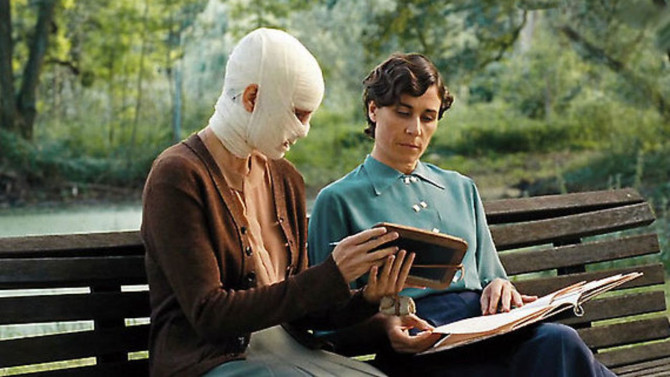
PhoenixJanuary 5, 2021A person with a past erased, no true present, and a future that is very much in jeopardy, the German film Phoenix (2014), written/directed by Christian Petzold and starring Nina Hoss (perhaps one of the best working director/actor teams outside of the United States – this is their sixth of seven movies together thus far), is an intimate historical character study revolving around one of the greatest atrocities in human history. Set just after the conclusion of the Second World War, Nelly Lenz (Hoss) has recently returned from a concentration camp. A singer who was shot through the face in the dying days of the war, she somehow survived, passed over by the workers who thought she had died from the bullet wound.
-
Villa Killa
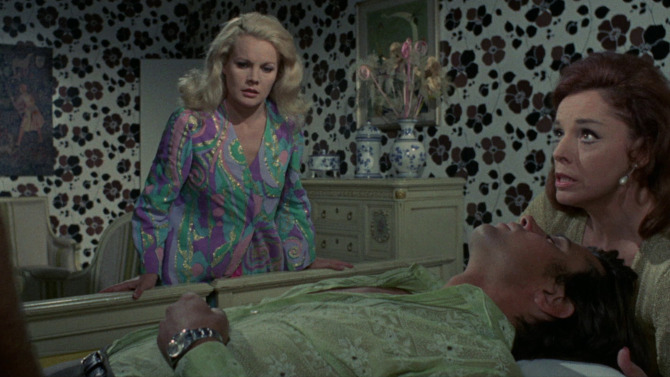
A Quiet Place to KillDecember 8, 2020Giallo fun fact of the day: did you know that by shooting pigeons, you will help quash your primordial animalistic desire to kill? Well, this bizarre fact will most definitely be put to the test in the very film it is found within. . . 1970's A Quiet Place to Kill, directed by Umberto Lenzi and starring Carroll Baker – their third of four collaborations together. Try to follow me here, this film can often be mistaken for another, as A Quiet Place to Kill was titled Paranoia in its native Italy (a co-production between the boot, Spain, and France) – which just so happens to be the same title (at least in the United States) as Lenzi and Baker’s 1969 effort, Orgazmo (you can probably guess why American distributors chose to rename it. . . also, don’t confuse this with the 90s American sex comedy). And, just to be different, in Spain, they decided to call it A Drug Named Helen. . . talk about playing the name game. And, just to further complicate the primary title, Lenzi directed a picture the next year – called An Ideal Place to Kill. . . it seems like Lenzi was making so many gialli that he was running out of titles for them.
-
Back in Black Lace
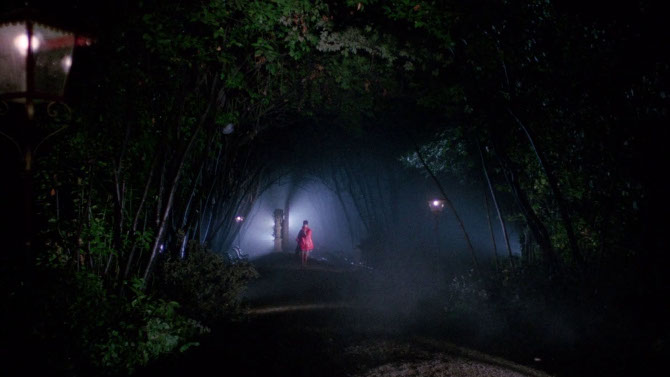
Blood and Black LaceOctober 26, 2020With a retrospective gaze back in time, there is no denying that Mario Bava’s Blood and Black Lace (1964) is one of the key influences on the giallo. Though it had very little success upon its initial release, and it did not cause a boom for this Italian genre immediately. . . instead, these mystery/thrillers were less focused on the intoxicating style found in Bava’s feature, looking more into the psychosexual realm while pulling from films from other countries (the works of Hitchcock, Clouzot’s Diabolique, the krimi or crime movies out of Germany). It was not until Dario Argento caused a giallo explosion with 1970's The Bird with the Crystal Plumage (which was influenced by Blood and Black Lace), that things changed. . . the visual panache of these two pictures giving 1970's Italian film makers something more close to home to serve as inspiration. And boy is this film sumptuous. Usually I wouldn’t start with the opening credits, but they are one of the best you’ll ever see. Creepily beautiful, Bava, along with cinematographer Ubaldo Terzano (the director, though uncredited, also helped with the lighting – after all, he was a director of photography before becoming a director), design a visual menagerie to introduce all of our main actors to us.
-
Unhallowed Ground
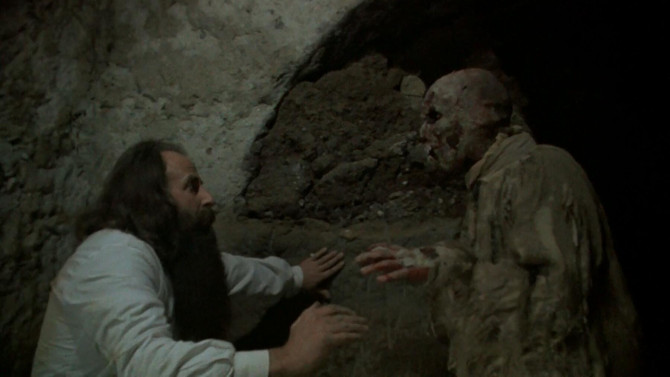
Burial Ground: The Nights of TerrorOctober 15, 2020Of course, it is a good rule of thumb to never fool around with any zombies – after all, they can really make a mess of your pristine clothing – not to mention the whole ‘eating you’ thing. But here is something you perhaps didn’t know. . . the worst zombie of all – the ancient Etruscan. A gonzo, go for broke, grindhouse motion picture out of Italy, 1981's Burial Ground, directed by Andrea Bianchi (a wildcard, edgy film maker if there ever was one), is not for the faint of heart. Set in a stunning, if slightly shabby country villa (beautifully shot on location), a group of people have the misfortune of having been invited to celebrate a professor’s exciting new discovery. . . only problem, by the time they all arrive, the scientific mind (Raimondo Barbieri), has already been ripped to shreds by these walking dead Etruscans – you don’t have to worry too much, the prof’s fashion sense wasn’t very good.