 Films That Matter
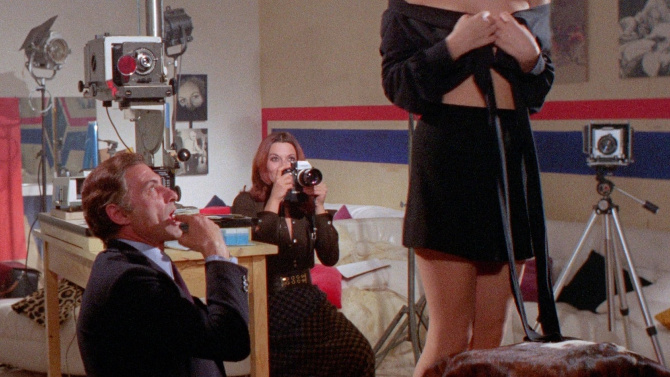
A Deadly Good Time
A slightly more obscure giallo released during the heyday of the craze, co-writer/director Silvio Amadio’s Smile Before Death (1972) is a psychological mystery thriller that certainly pushes the boundaries of the already boundary-pushing Italian genre. Amadio starts with a wild opener, as wealthy Dorothy Emerson (Zora Gheorgieva) is found brutally murdered by an unknown assailant... with it promptly being classified as a suicide by the incompetent police, this then turns into a slow burner of sorts.
-
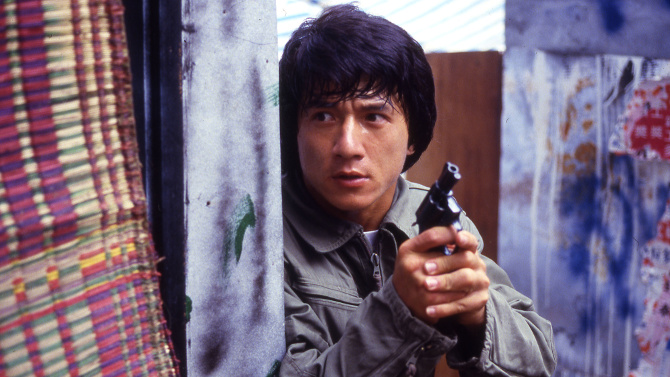
Chan Fan
Police StoryJuly 16, 2019With some early success in China in the mid to late 1970s, Jackie Chan attempted to break into Hollywood – making appearances in The Big Brawl (1980), The Cannonball Run and its sequel (1981 and 1984), and starring in The Protector (1985). . . perhaps you would think that this was the beginning of his now illustrious career, but no. His supporting roles did not bring him fame in the west, while his first American starring role was a box office bomb. Instead of returning to China sunken and defeated, he began work on what would arguably become his greatest film, Police Story (1985), co-writing and co-directing with Edward Tang and Chi-Hwa Chen respectively. Taking on the starring role of Chan Ka Kui, Chan brings forth that appealing blend of comedic goof-ball and ninja mastermind – a more than likeable everyman who just happens to be a master of the martial arts (for most of his future roles, Chan would play slight variations on this iconic character – making him one of the most popular action stars of the past thirty years).
-
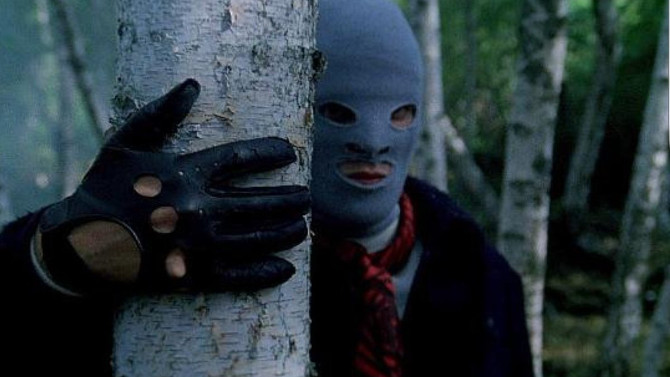
Body of Work
TorsoJune 24, 2019The ‘slasher’ sub-genre of horror is often said to have started with two films, 1974's Black Christmas and 1978's Halloween (while others might also lump 1974's The Texas Chainsaw Massacre in with that grouping), and that very much may be true, but some of its roots most definitely grew out of the giallo films of the late sixties and early seventies, case in point, Sergio Martino’s 1973 horror mystery thriller Torso – featuring all of the trimmings (pardon the pun) that would soon litter each and every slasher flick to come. Now, what should one expect to see in a movie like Torso. . . sex-crazed teens (who tend to investigate strange noises instead of finding safety, or wander off alone in unpopulated areas), suspicious looking peeping Tom’s (likely a red herring or two), an unknown psychopathic killer who uses some sort of bladed weapon (the suspense is killing me – as the murderer is masked. . . and not only uses a knife, but an ascot to strangle those unlucky individuals – I doubt it’s Fred from Scooby-Doo) – all these tropes would soon be found in your prototypical slasher film.
-
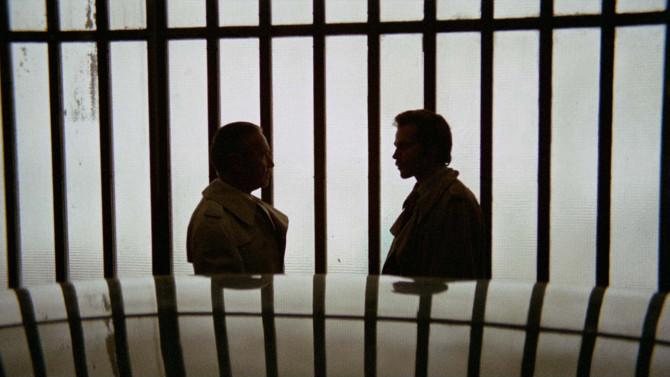
Auld Lang Five
The Fifth CordMay 21, 2019New Year’s Eve, a time meant for love and remembering old friendships, is ironically the start point of the 1971 giallo The Fifth Cord (directed by Luigi Bazzoni – The Possessed). Introduced by a disguised voice-over of a murderer planning his next victim, the psychedelic night club, which will introduce a number of main players in the sordid tale, is distortedly shown through a fisheye lens (using a long tracking shot, no less), Ennio Morricone music blaring, alcohol flowing as people strut, snarl, sulk, and stalk. Not long after people have departed the party, one of the goers, an English language teacher from Australia teaching in Rome, John Lubbock (Maurizio Bonuglia), is brutally attacked in a tunnel on his way home. . . and it seems as though the assailant had murder on his or her mind – while the only clue left behind is a black glove with its thumb removed (according to the police, this suggests that four other victims are likely to be in the would-be killer’s sight).
-
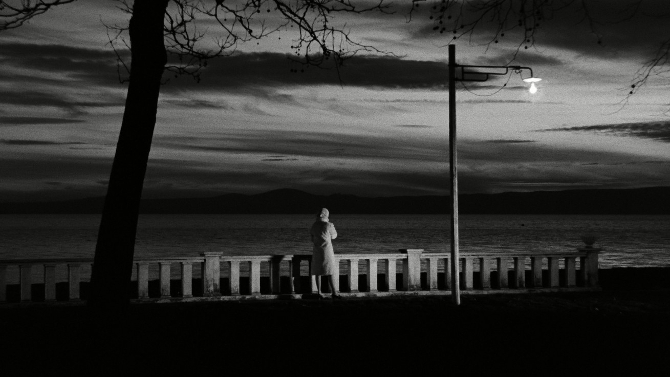
The Lady of the Lake
The PossessedApril 28, 2019An acclaimed author – disenchanted, empty, and broken. . . a man seemingly doomed to repeat his history, returns to a small Italian town that sits upon a lake (during its off season), looking for a maid he once loved – told she has committed suicide, an abstract mystery holds the man transfixed, living a story that could be his newest novel. In America, titled The Possessed (1965), around the world it is known as The Lady of the Lake, under either moniker, it is a fascinating Italian crossbreed directed by two very different individuals, journeyman Luigi Bazzoni (The Fifth Cord) and Franco Rossellini (his only directorial effort, he is the nephew of famed filmmaker Roberto Rossellini). . . a fascinating combination of lurid pop sensation and art film neo-realism.
-
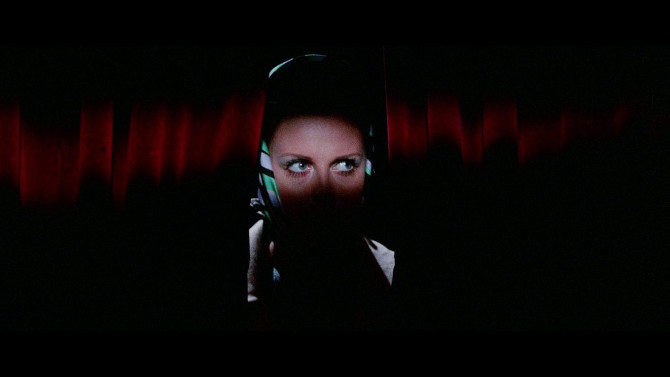
Freeze Frame
The Forbidden Photos of a Lady Above SuspicionMarch 23, 2019I am not quite sure if I even need to write a review about this one. . . I’ll just tell you the title: The Forbidden Photos of a Lady Above Suspicion. One of those vividly descriptive yet cryptic giallo titles, Luciano Ercoli (Death Walks on High Heels) took his first stab at directing (pardon the pun) with this 1970 Spanish/Italian co-production written by Ernesto Gastaldi (The Case of the Scorpion’s Tail). The lady in mention is Minou (Dagmar Lassander), a bored housewife living a blasé life with her staid husband, Peter (Pier Paolo Capponi) – a man with a new invention that will hopefully save his struggling business (meaning that he is at work an awful lot). Getting no attention from Peter, she gets more than she bargained for when an unknown assailant (Simón Andreu) attacks her (with purpose) late one night while she is strolling near the ocean.
-
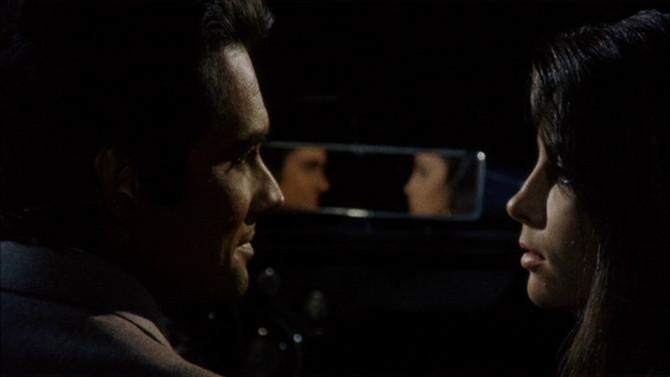
Perspective Analysis
Four Times that NightMarch 10, 2019An Italian sex comedy with some class – I know, I know, that sounds like an oxymoron, the great Mario Bava (Black Sunday) co-adapts and directs Four Times That Night (1971), a film that structures itself in a similar way to Akira Kurosawa’s classic Japanese motion picture Rashomon – also, for a more modern example, think of the television series The Affair (starring Joshua Jackson, Dominic West and Ruth Wilson). Looking at one fateful night, four individuals get a chance to tell their side of the story. Dealing with perspective and viewpoint, the narrative revolves around Gianni Prada (Brett Halsey) and Tina Brandt (Daniela Giordano), a wealthy man always on the prowl – this time spotting a pious young woman in Tina.