 Films That Matter
A Bloody Good Time
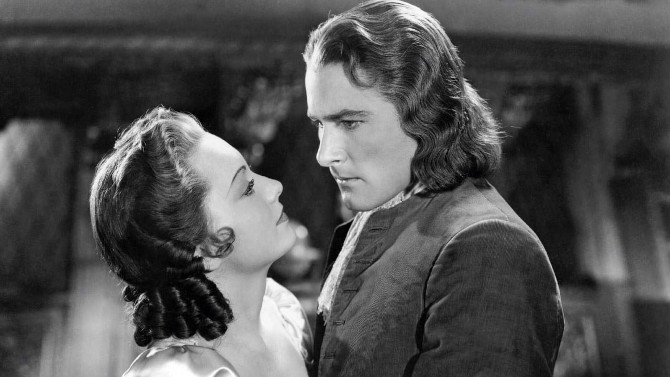
A very important film from 1935 that is probably not as well known today as it should be, the swashbuckling action adventure Captain Blood, directed by Michael Curtiz (The Sea Wolf, The Breaking Point), featured numerous important happenings that would leave rippling effects on the industry for many years to come. Though Curtiz had immigrated to the United States years before, having some success in the silent era with Noah’s Ark (1928) and with the early sound pictures Doctor X (1932) and Mystery of the Wax Museum (1933), it was this bigger budget extravaganza that would help him become a top tier film maker, someone who would go on to make an inordinate number of future classics, including The Adventures of Robin Hood, Angels with Dirty Faces. Yankee Doodle Dandy, Mildred Pierce, and perhaps most importantly, Casablanca... among others.
-
Star Pick with Kevin Downey Jr.
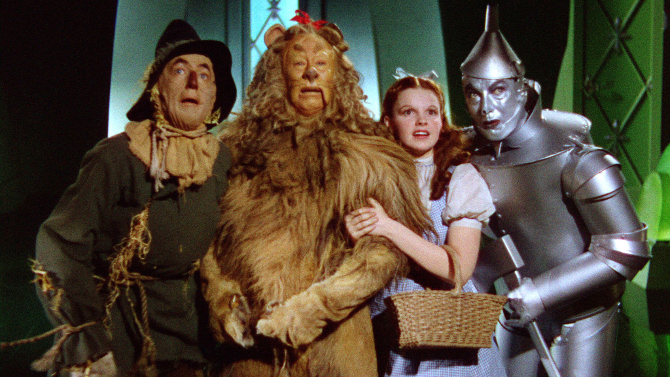
 Lions, and Tigers, and Bears – Oh My!The Wizard of OzNovember 8, 2016
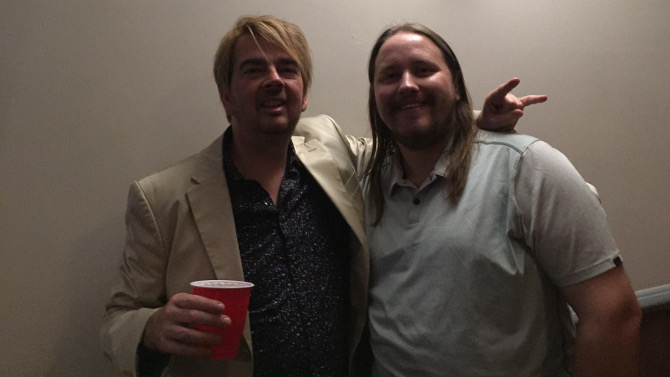
What is there to say about a movie like The Wizard of Oz? If I had to compile a list of films that have been seen by the most people worldwide, the Victor Fleming directed musical adventure fantasy would likely land somewhere near the top of my list. I recently chatted with acclaimed comedian Kevin Downey Jr., who has carved out an ever growing niche in the difficult world of stand-up. The funny man, who caught his big break on season eight of the hit television show America’s Got Talent (making it all the way to the quarterfinals and being championed by all of the judges, but especially Howard Stern and Howie Mandel), has never looked back, launching himself to the "A" circuit, playing large clubs across North America, while being a frequenter on the highly entertaining morning radio program "The Bob and Tom Show", as well as also making appearances on Comedy Central, What Not to Wear and Queer Eye for the Straight Guy.
-
Shadowy Past Equals Grave Future
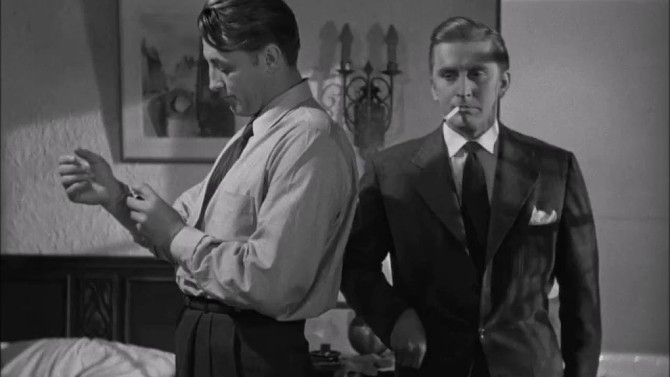
Out of the PastNovember 4, 2016Though we have all become accustomed to November being coined Movember, there is another moniker that is perhaps lesser known. ‘Noirvember’ has, over the last few years, gone viral, making this eleventh month of the year the perfect one to celebrate the shadowy, gloom filled, doom-laden film noirs of the 1940s and 50s. So, I thought I would start us off with a bang by reviewing the classic 1947 crime noir Out of the Past. Written by Daniel Mainwaring (he wrote the screenplay and the novel the film is based off of under the pseudonym Geoffrey Homes – titled "Build My Gallows High") and directed by Jacques Tourneur (Cat People), past mistakes meet present danger when gas station owner Jeff Bailey (Robert Mitchum), who has been hiding in a small California town after a torrid life, is tracked down by Joe Stefanos (Paul Valentine), a trusted henchman for a smooth but sketchy gangster named Whit Sterling (Kirk Douglas).
-
Murder at Midnight Can be Funny
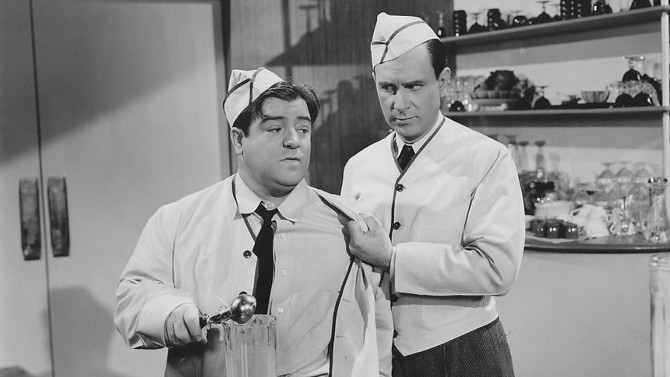
Who Done It?October 30, 2016Combining a touch of horror and film noir within a murder mystery, Abbott and Costello once again add their unique brand of humour to dark subject matter in the 1942 classic comedic caper Who Done It?. Directed by Erle C. Kenton (Island of Lost Souls), this flick finds straight man Bud Abbott playing Chick Larkin while funny man Lou Costello portrays Mervin Q. Milgrim; together, they are a pair of simple-minded soda jerks on the bottom floor of a popular radio station. Yet, their true dream is to become head writers for a mystery themed radio show – which is why they took the low paying jobs in the highfalutin building. Finding writer Jimmy Turner (Patric Knowles) and secretary to the boss, Juliet Collins (Mary Wickes), in their midst while working at the soda and ice cream bar, they see this as a prime opportunity to pitch their idea. Turner takes a liking to the funny friends and invites them to a live taping of his program, Murder at Midnight.
-
No Man is an Island
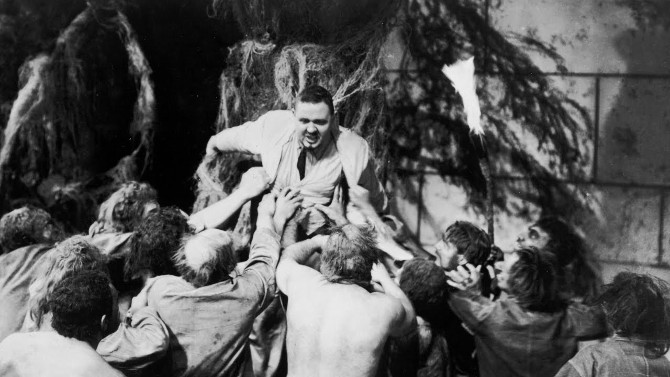
Island of Lost SoulsOctober 28, 2016Adapting H.G. Wells’ novel "The Island of Doctor Moreau" for the screen, Paramount’s 1932 film Island of Lost Souls is not nearly as well known as the Universal horror pictures that were released around the same time (Dracula, Frankenstein, The Invisible Man), though it most definitely should be. Though H.G. Wells despised the picture and its overt horror elements (which he felt got in the way of the true message of his book), it has become known as the premier adaptation of the classic novel – though it was banned three times in Britain for its depiction of vivisection. Adapted by Waldemar Young and Philip Wylie, and directed by Erle C. Kenton (The Ghost of Frankenstein, House of Frankenstein, House of Dracula), the cautionary tale follows shipwrecked survivor Edward Parker (Richard Arlen) as he is picked up by a trading vessel. Treated by a dour doctor, Montgomery (Arthur Hohl), the newly resuscitated man discovers an odd array of animals on the ship.
-
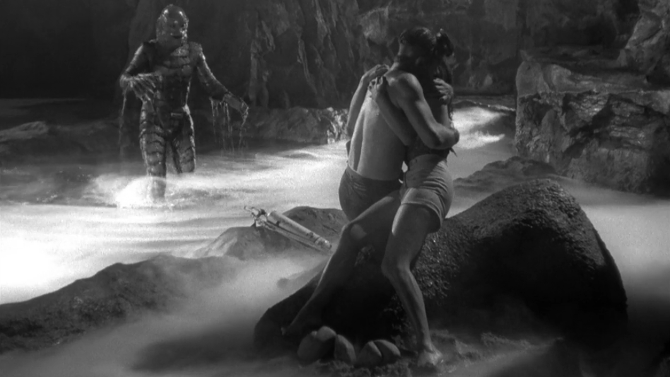
Creature Feature
Creature from the Black LagoonOctober 23, 2016The last of the great monsters to come out of Universal’s iconic horror era – that ran from the 1920s through the 1950s (following in the footsteps of Dracula, Frankenstein, The Invisible Man, The Wolf Man, as well as many others), The Creature from the Black Lagoon has captured the hearts and minds of people over the past six plus decades. Seen as being a forebear to films which have people dealing with some sort of unknown or super-animalistic type creature (think Alien, Predator or Jaws), director Jack Arnold’s 1954 horror flick developed the formula for this style of films success. Set in the heart of the Amazon, the leader of a geology expedition, Dr. Carl Maia (Antonio Moreno), stumbles upon an earthshattering discovery.
-
Star Pick with Keir Dullea
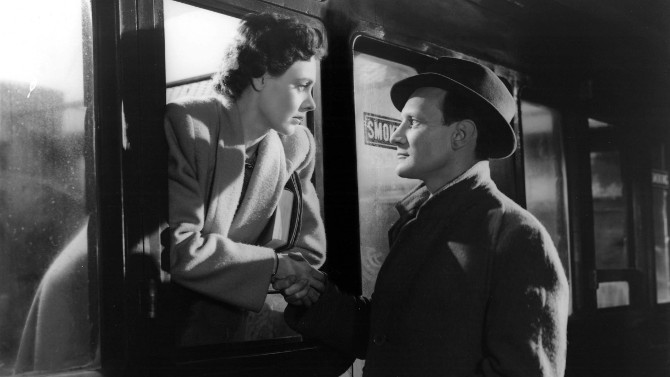
 Train in VainBrief EncounterOctober 18, 2016
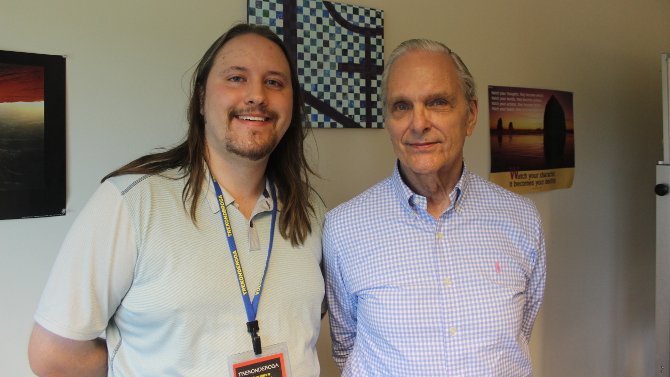
Whilst attending Trekonderoga, the Ticonderoga comic convention that is all things Star Trek, on August 13th, 2016, I was fortunate enough to be able to interview Keir Dullea. Best known for taking on the starring role of Dr. Dave Bowman in Stanley Kubrick’s iconic space epic 2001: A Space Odyssey – he reprised the character for the film’s 1984 sequel 2010: The Year We Made Contact. Dullea has played a variety of intriguing roles over his six plus decades in the industry, getting his first lead role in 1962's David and Lisa, the actor then went on to star in 1964's The Thin Red Line, Otto Preminger’s 1965 mystery Bunny Lake is Missing, 1974's Black Christmas (often considered to be the genesis of the slasher horror film genre), and Robert De Niro’s 2006 flick The Good Shepherd, to name but a few of his film credits. The man actually highlighted a small Canadian film that he made back in 1973, titled Paperback Hero (also known as Last of the Big Guns), as being the favourite film he has worked on to this point.