 Films That Matter
A Bloody Good Time
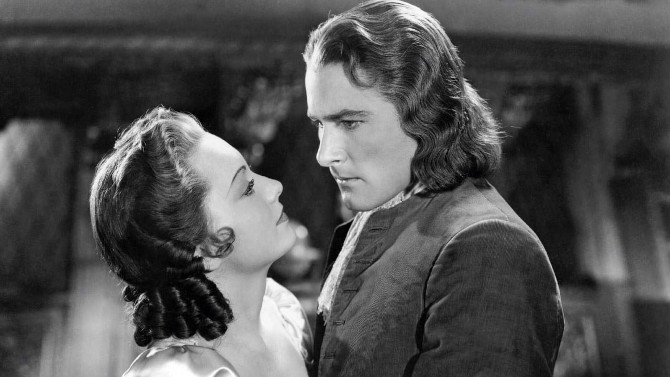
A very important film from 1935 that is probably not as well known today as it should be, the swashbuckling action adventure Captain Blood, directed by Michael Curtiz (The Sea Wolf, The Breaking Point), featured numerous important happenings that would leave rippling effects on the industry for many years to come. Though Curtiz had immigrated to the United States years before, having some success in the silent era with Noah’s Ark (1928) and with the early sound pictures Doctor X (1932) and Mystery of the Wax Museum (1933), it was this bigger budget extravaganza that would help him become a top tier film maker, someone who would go on to make an inordinate number of future classics, including The Adventures of Robin Hood, Angels with Dirty Faces. Yankee Doodle Dandy, Mildred Pierce, and perhaps most importantly, Casablanca... among others.
-
Star Pick with Dale Hawerchuk
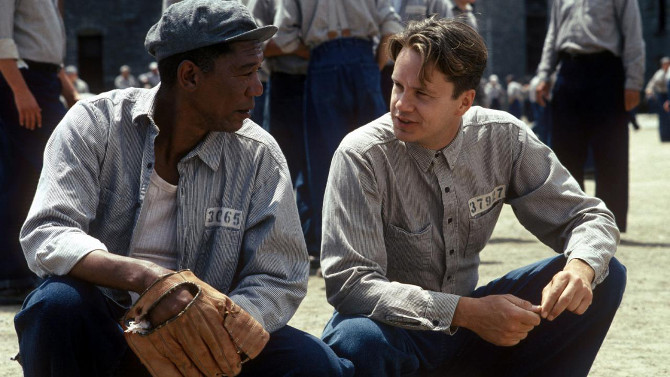
 Taking a Drive with HawerchukThe Shawshank RedemptionJuly 12, 2016
On the 8th of July, 2016, I had the privilege of golfing with NHL Hall of Famer Dale Hawerchuk at Upper Canada Golf Course in Morrisburg, Ontario. For those of us who have played hockey, we understand how difficult it is to put up a point per game, whether we were playing house league, travelling team, or in the professionals. Hawerchuk impressively put up 1409 points in only 1188 games during his career, which spanned from 1981-1997. He spent most of his time with the Winnipeg Jets, but also played for the Buffalo Sabres for five years, the St. Louis Blues for a year, and wrapped up his career playing two years with the Philadelphia Flyers.
-
Star Pick with Beverly Washburn
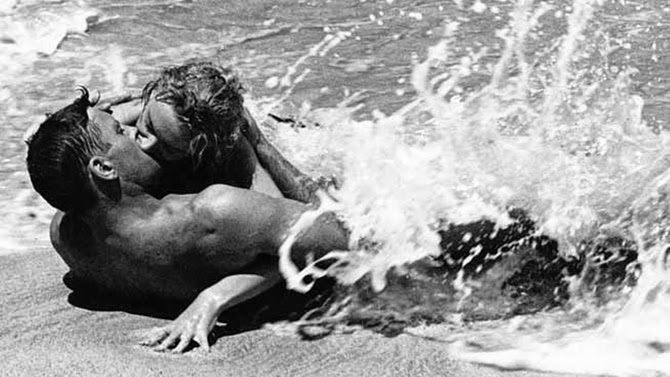
 A Day at the BeachFrom Here to EternityJune 28, 2016
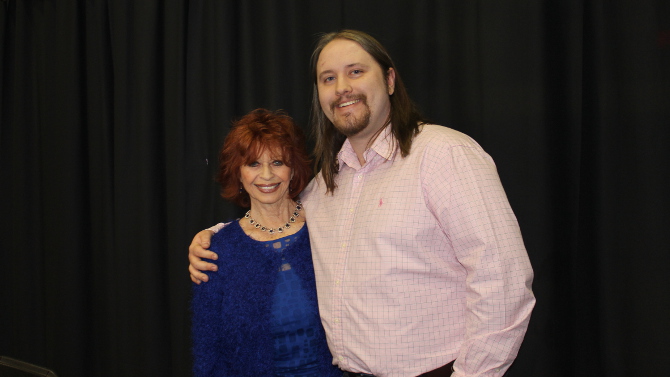
Each generation has a select few films that push the boundaries of their era – changing the way in which people saw motion pictures and (usually) creating a new freedom for future filmmakers to delve deeper into those controversial themes that were first explored in the edgy flicks. One such movie is Fred Zinnemann’s 1953 motion picture From Here to Eternity. A major risk for Columbia at the time ), the decision paid off, as it was a major financial success and won eight Academy Awards (including Best Picture, Best Supporting Actor and Actress – for Frank Sinatra and Donna Reed, Best Director, etc.).
-
Star Pick with Michael Forest
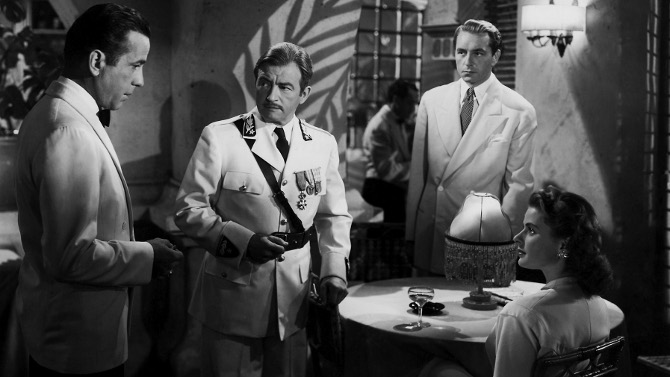
 Apollo Re-Visits CasablancaCasablancaJune 14, 2016
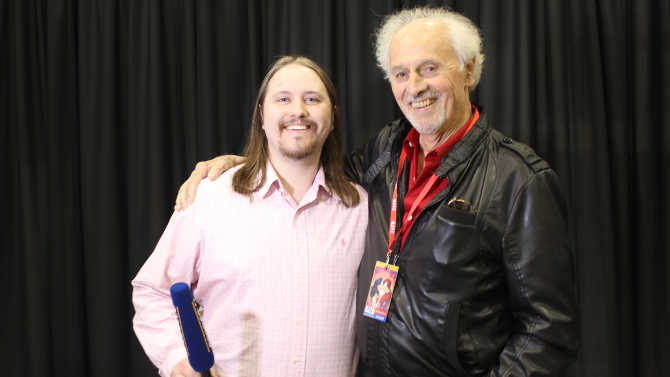
"I remember 3 or 4 weeks before [filming Star Trek], I was working on a western, being beat up, and shot, and one thing and another. . . and then finally killed in the thing; and then a month later I’m in a gold tutu floating around as a God – so you never know in this business. It is very strange". That is a quote from iconic character and voice actor Michael Forest, who has been working in the business for more than sixty years. He humourously summed up life as an actor in the quotation above, referencing work on a western as well his classic turn as the God Apollo (in the episode ‘Who Mourns for Adonais?’) on the television series Star Trek. I was fortunate enough to interview Forest at CAPE, the Cornwall and Area Pop Expo as part of the fiftieth anniversary of the cult classic Star Trek.
-
Just One of Those Things
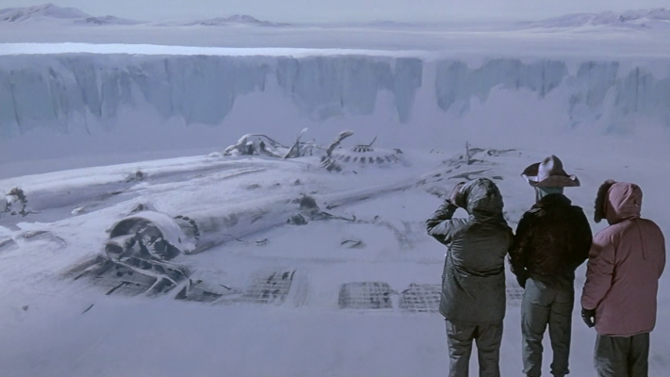
The ThingJune 10, 2016Back in 1982, a sci-fi horror film called The Thing got trashed by critics – perhaps it was due to it coming out around the same time as other sci-fi flicks like E.T. The Extraterrestrial and Blade Runner, or because it was too dark and edgy. . . or maybe it was simply ahead of its time. Funnily enough, it is now considered one of the all-time greats of the horror genre. Critics have come around to see the movie in a much more positive light – which explains why it has been placed onto countless lists that recognize great films, horror or otherwise.
-
Star Pick with John Rhys-Davies
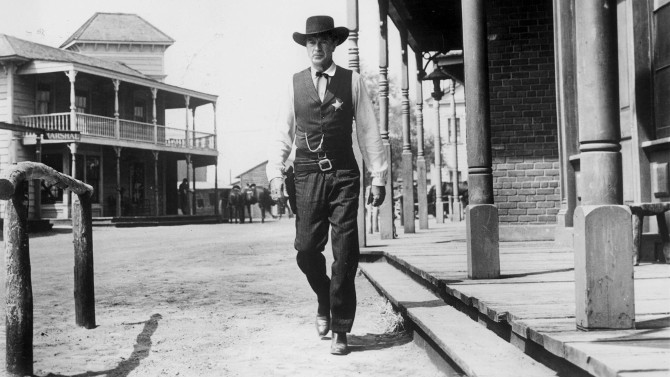
 When the Clock Strikes 12High NoonJune 7, 2016
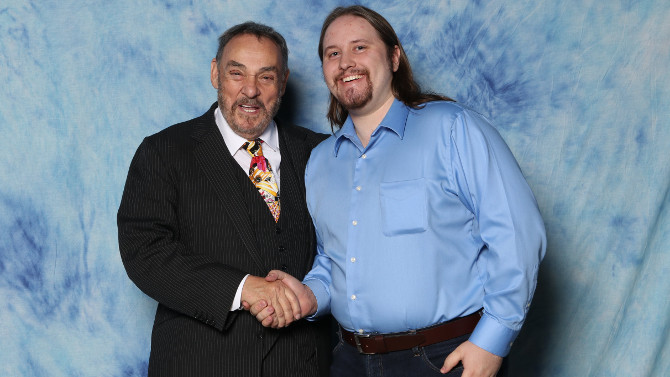
There may be no film that better encapsulates the idea of doing what is right or just rather than what is popular or easy than the classic 1952 western High Noon. I recently chatted with iconic character actor John Rhys-Davies, who has created wonderful personas in memorable films such as The Lord of the Rings trilogy (Gimli), Raiders of the Lost Ark/Indiana Jones and The Last Crusade (playing Indiana Jones’ loyal pal Sallah), or portraying General Pushkin in the 1987 James Bond flick The Living Daylights, to name but a few.
-
Star Pick with Brian O'Halloran
 In the Heat of the Day… and NightDo the Right ThingMay 25, 2016
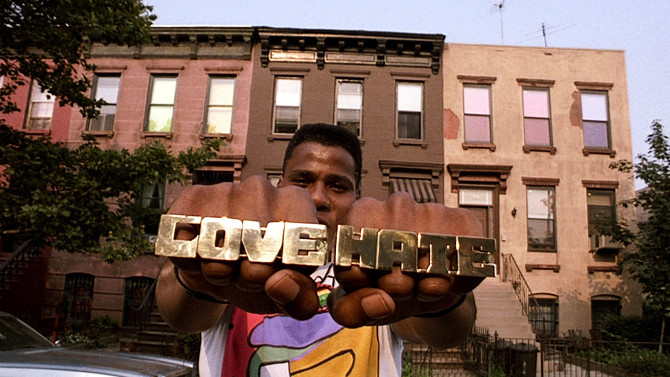
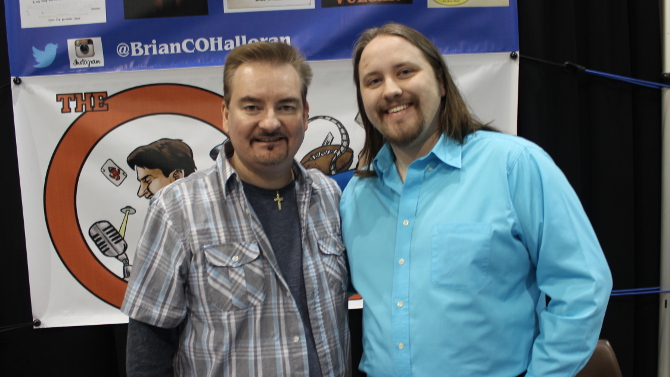
Often considered the best film of 1989, Spike Lee’s Do the Right Thing sets the tone early with Rosie Perez (who plays Tina) dancing to Public Enemy’s song "Fight the Power". It was rather interesting to learn that Lee was actually influenced by Ann Margret’s opening in Bye Bye Birdie (which has a very different vibe). In any case, what follows is a powerful, character driven dramedy that widely encompasses life, death, race, poverty and everything in between – all found within the neighbourhood of Bedford-Stuyvesant, Brooklyn.