 Films That Matter
Pit Stop
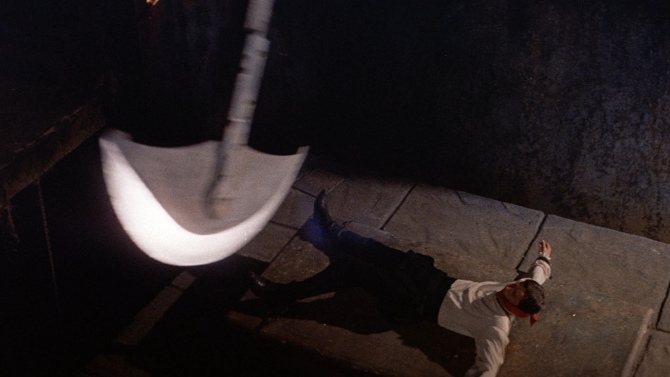
After Roger Corman’s major success with House of Usher (1960), he promptly turned to adapting another Edgar Allan Poe story to start a franchise of sorts, with The Pit and the Pendulum (1961) being an even bigger win... with it making over two million dollars on a modest budget of only three hundred thousand. Getting Vincent Price (House of Wax; Laura) back after House of Usher’s critical and commercial winnings, this time he plays Nicholas Medina, a tortured soul living in a tomb of a castle with his servants after his gorgeous wife Elizabeth (Barbara Steele – Black Sunday; The Horrible Dr. Hichcock) has seemingly died of a massive heart attack brought on by fright. Feeling as if he is truly cursed, he resides in the same place that his sadistic Spanish Inquisition father once tortured his victims, where his mother and uncle died, and now where his wife has met her untimely end. It has become so bad that even Nicholas’ sister Catherine (Luana Anders) has returned home to try and ease his sorrows.
-
Crank It to the Mad Max
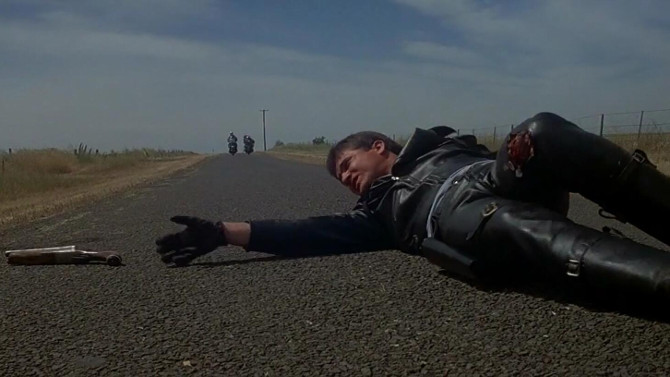
Mad MaxSeptember 18, 2019You’ve got to give credit to guerrilla film making. Usually encompassing a newish director and actors, a limited budget, rebellious on-location shoots, and a certain disregard for rules and regulations (mostly due to a lack of money), some of cinemas most unique and creative pictures have come from this cheap form of movie making. Think Rocky, The Evil Dead, El Mariachi, Clerks, and today’s motion picture, Mad Max (1979). Made for 400 thousand Australian dollars, it went on to make more than 100 million US worldwide – at that point holding the Guinness Book of World Records for most profitable film (only losing it in 1999 to The Blair Witch Project). Putting writer/director George Miller and star Mel Gibson (in his first leading role) on the map, it also thrust Australian New Wave cinema into global consciousness, while bringing forth a surge in dystopic movies that dealt with similar ideas and themes. In fact, it was such a success, it also spawned three sequels – Mad Max 2 aka The Road Warrior (1981), Mad Max Beyond Thunderdome (1985), and the Gibson-less Mad Max: Fury Road (2015). . . this most recent effort considered an instant classic (and one of the best reviewed films of the year).
-
Star Pick with George Chuvalo
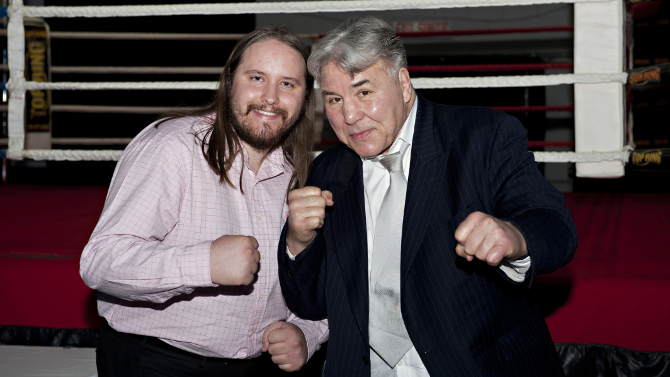 Ring RacketThe Harder They FallSeptember 4, 2019
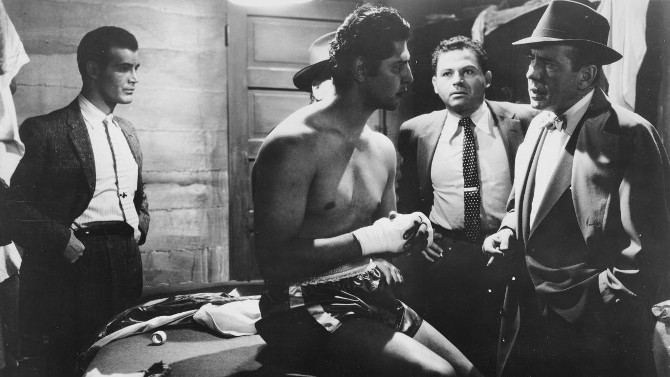
Arguably the greatest Canadian pugilist of all-time, George Chuvalo, standing six feet tall, weighing in at 240 pounds, and with a reach of seventy-one inches, was also graced with an iron jaw. Part of ninety-three professional bouts, Chuvalo never once fell to the canvas – and when you look at the foes he fought, that is one impressive statistic. With a record of 72-19-2, he was a five time Canadian champ, and two time World Heavyweight contender (the first against Ernie Terrell in 1965). Perhaps his two greatest fights were against Muhammad Ali (in 1966 and 1972) – though some may point to the 1965 Fight of the Year versus Floyd Patterson. Given only seventeen days to prepare for their first match, people (along with Ali) didn’t give Chuvalo much of a chance. . . yet, 12 rounds in, the man was still standing (for the first time ever in Ali’s career), the pair going the full 15. Yet, after the fight, Ali claimed, “he is the toughest fighter I ever fought” – Chuvalo earning the man’s respect. And, there is no doubt in Chuvalo’s mind about the fight, for he has long said, “when it was all over, Ali was the guy who went to the hospital because he was pissing blood. . . Me? I went dancing with my wife”.
-
Star Pick with Elijah Wood
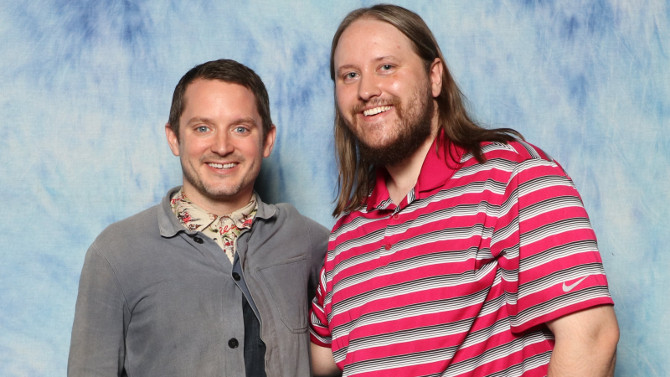 A Rabbit and a Gent Walk Into a Bar…HarveyJuly 9, 2019
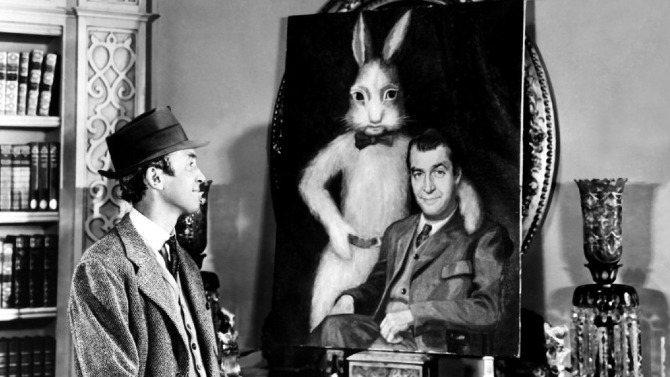
How else can you start talking about Elijah Wood than referencing The Lord of the Rings – arguably one of, if not the best trilogy ever produced. Playing the lead character Frodo, he is the seminal everyman, or should I say everyhobbit, a down to Middle-Earth, caring individual with a larger than life spirit who takes on the task of transporting the most vile weapon of all-time, the one ring, into the heart of darkness to destroy evil for once and all. It is a performance of pathos, gravitas, and exquisite depth. Yet, one cannot forget Wood’s illustrious career. . . starting as a child actor, he graced the silver screen in pictures like Back to the Future Part II (a small part and his first film role), Avalon, The Good Son, only to further bolster his credits as a teenager with Flipper, The Ice Storm, and Deep Impact. Following the release of the above mentioned trilogy (2001-2003), Wood followed it up with solid turns in critically acclaimed features such as Eternal Sunshine of the Spotless Mind, Sin City, Paris, je t’aime, as well as voicing characters in the animated movies Happy Feet and 9. It must not be forgotten that he reprises his role as Frodo Baggins in the Rings prequel, The Hobbit: An Unexpected Journey.
-
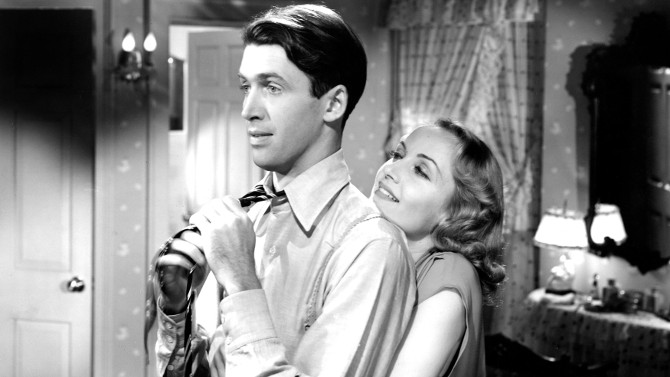
Just the Two of Us (& a Mother-In-Law)
Made for Each OtherJune 28, 2019And they say things move pretty fast in the 21st century. . . in 1939's Made for Each Other, directed by John Cromwell, the protagonist couple marry after one short day of courtship – and they weren’t even in Las Vegas (instead, Boston). A bizarre script structure, this David O. Selznick production takes an almost vignette-style look at marriage (the opening credits actually feature the couple signing the marriage certificate – a nice touch) – with no foreshadowing or traditional setup in the first two acts, like in life, things just arise out of nowhere. . . yet, despite this unusual format, there is still enough to catch your interest.
-
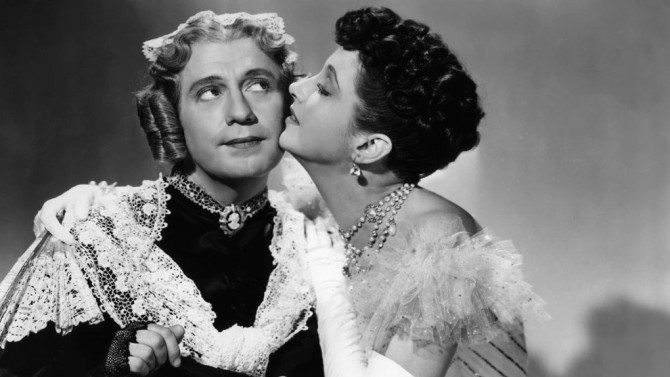
The Bachelorette
Charley's AuntMay 15, 2019Before Kinky Boots, Mrs. Doubtfire, and Tootsie, even before Some Like It Hot, there was the original cross-dressing comedy, 1941's Charley’s Aunt (directed by Archie Mayo). Based upon the famed stage play by Brandon Thomas, this was actually the third filmed version of the farce – and they say Hollywood is remake happy today! No better place to set such a premise than at the stuffiest of Universities, Oxford, the madcap premise is only further exaggerated by its time – 1890's Victorian England.
-
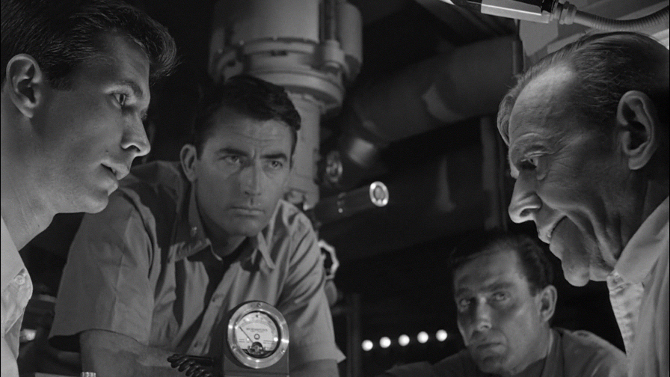
Life’s a Beach
On the BeachApril 24, 2019There was something uniquely different about the Cold War. . .the intangible nature of a symbolic wall separating West from East, having no troops on the ground, no bombs being dropped, simply an ever-growing nuclear arms race – unnerving in how one twitchy finger could change the world in an instant. A fear no less frightening, for the unknown is often far worse. A cautionary ‘what if’ tale, Stanley Kramer’s On the Beach (1959) finds the world having been mostly destroyed by a nuclear war, with only Australia having thus far evaded the ravaging power of radiation in the air. With the rest of the world silent, those remaining attempt to live their lives Down Under. But is doom impending? Estimates claim that extinction levels of radiation will reach the island in less than six months. Fascinating in its depiction, some do their duty (a butler-like waiter at the poshest of conservative private clubs continuing with his job; the assistant to one of the top military men constantly remaining by his side), while others cling to hope. . . some simply drink (a funny scene finds two elitists lamenting that the club overstocked on Port – and that it will go to waste).