 Films That Matter
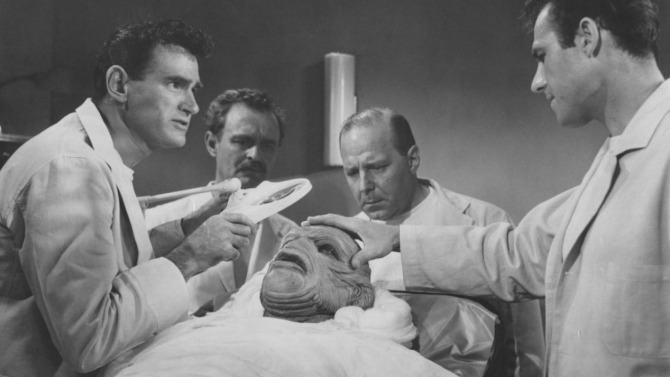
What Could Have Been: The Creature Walks Among Us
The third and final movie in The Creature from the Black Lagoon franchise, The Creature Walks Among Us (1956) was released just a year after the sequel and two after the original – clearly aiming to capitalize on the popularity of their horror creation... but sadly, it is better known as the last classic monster movie filmed by Universal. Directed by longtime assistant director John Sherwood (for the first time in the head chair thanks to some good words from Jack Arnold who directed the previous two), the story this time straddles the line between the original feature and a nature versus nurture premise that makes for a very different monster movie.
-
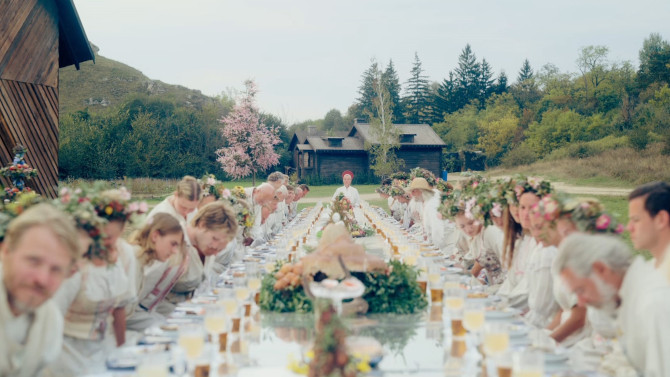
Midsommar Murders
MidsommarOctober 18, 2020If you were ever to create a list of unsafe places to travel, it is unlikely that Sweden would even make it anywhere near that piece of paper, or tech device – for those more modern individuals. Though after watching 2019's Midsommar, written and directed by Ari Aster (who exploded onto the scene with 2018's Hereditary), some people might be reconsidering the stunning Scandinavian country. A slow burner of a dark horror mystery fairytale in the vein of The Wicker Man (preferably the 1973 vehicle starring Christopher Lee rather than the 2006 remake with Nicholas Cage), this narrative starts off in a pretty dark and depressing way. Let’s just say that Dani (Florence Pugh – Little Women), who is in her early twenties, becomes orphaned in the blink of an eye.
-
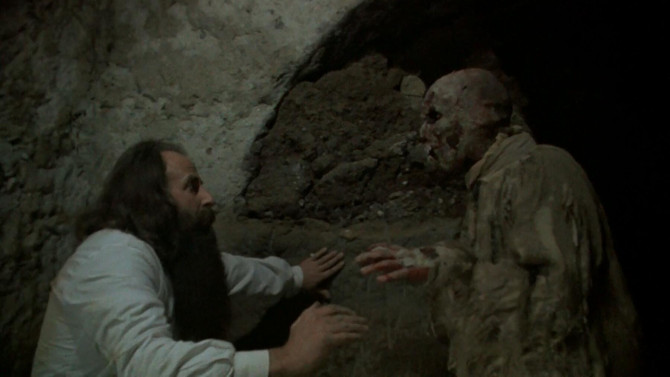
Unhallowed Ground
Burial Ground: The Nights of TerrorOctober 15, 2020Of course, it is a good rule of thumb to never fool around with any zombies – after all, they can really make a mess of your pristine clothing – not to mention the whole ‘eating you’ thing. But here is something you perhaps didn’t know. . . the worst zombie of all – the ancient Etruscan. A gonzo, go for broke, grindhouse motion picture out of Italy, 1981's Burial Ground, directed by Andrea Bianchi (a wildcard, edgy film maker if there ever was one), is not for the faint of heart. Set in a stunning, if slightly shabby country villa (beautifully shot on location), a group of people have the misfortune of having been invited to celebrate a professor’s exciting new discovery. . . only problem, by the time they all arrive, the scientific mind (Raimondo Barbieri), has already been ripped to shreds by these walking dead Etruscans – you don’t have to worry too much, the prof’s fashion sense wasn’t very good.
-
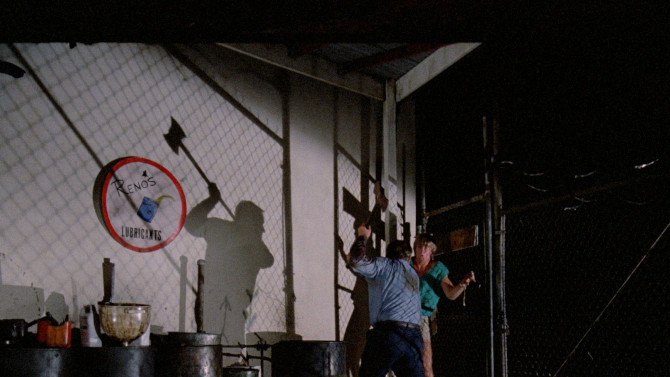
Flashback Slashback
Evils of the NightOctober 13, 2020A bizarre, below B grade indie horror/sci-fi/teen sex comedy hybrid, 1985's Evils of the Night, co-written and directed by Mardi Rustam, attempts to bring in the most popular genre films of the decade – think a combination of Friday the 13th, The Thing, and Revenge of the Nerds (minus the nerds), making for a surprisingly entertaining, if poor film (that all revolves around a battle of the ages – notice I used the word ‘of’ instead of ‘for’). An overly excessive, gloriously pushed to the brink example of the 80s indie horror scene, you’ll see more legs and breasts than in a family size bucket of KFC chicken, more hair than a twenty-four pack of Busch beer, and, as it is mostly set in a picturesque forest, you’ll see more hardwood than softwood – if you catch my drift. Of course, I’m talking about the raucous teen party going on here, including some fetching young men and women – engaged couple Ron (Keith Fisher) and Heather (Bridget Holloman), as well as poor Brian (David Hawk), who endlessly struggles to win over ditzy blonde Connie (G.T. Taylor) and the slightly less ditzy Nancy (Karrie Emerson). Now, before you feel too sorry for the girls in regards to the nudity, for these young actresses, fear not – ringers, and by that, I mean pornstars (i.e. Amber Lynn, Crystal Breeze), were brought in for the edgier stuff.
-
Midnight, the Stars and You
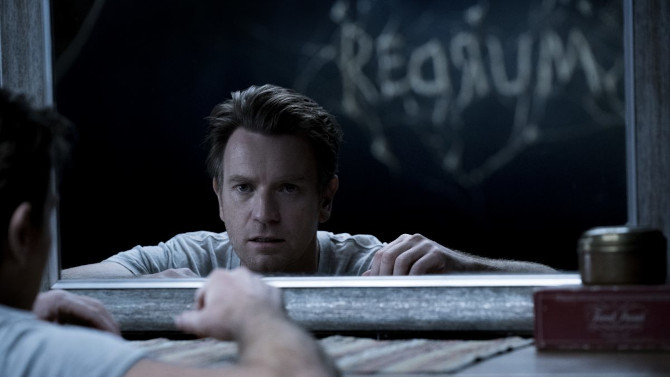
Doctor SleepOctober 10, 2020Walking a tightrope between overt nostalgia picture and standalone film in its own right, 2019's Doctor Sleep comes to life thirty-nine years after Stanley Kubrick’s The Shining became an instant horror classic loved by almost everyone. . . except by its own author, Stephen King. This time, writer/director Mike Flanagan attempts to appease both sides, a gargantuan task that would could cause almost any talented film maker to crumble under the weighted pressure. . . yet somehow, he is able to stay on that extremely narrow tightrope, building an engaging narrative that should be fun for both hardcore fans and newbies to the so-called franchise. If The Shining was about addiction, Doctor Sleep looks at the long road back through rehabilitation to sobriety. Sometimes lost in all of the over-the-top craziness coming from Jack Nicholson’s fantastic portrayal of Jack Torrence, his poor son Danny must have had quite the life afterwards. Giving us a bird’s eye view into this character, he is now an alcoholic adult (played by Ewan McGregor), running from his past demons and any semblance of a normal life in the present.
-
No Strings Attached
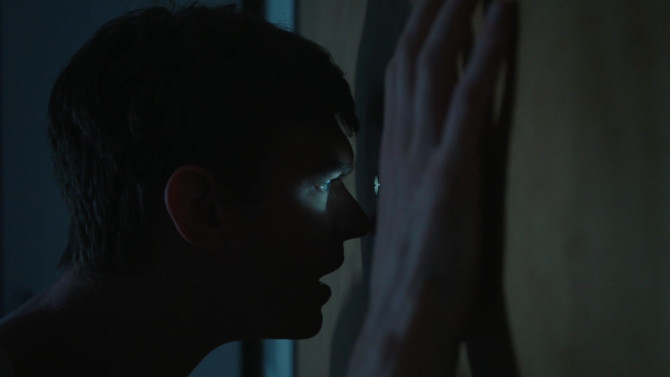
PeepholeOctober 5, 2020Having everything that is needed to build a spine tingling horror short, writer/director/cinematographer Jaron Henrie-McCrea’s just under four minute film, Peephole (2018), is one of the easiest and spookiest watches you’ll enjoy this Halloween season. Centred on a sole person, simply known as Man (Tim Lueke), and never hearing even a single word of dialogue, our character can be found asleep on his comfy couch in his small apartment. We’ve all been here before. . . late at night, our eyes becoming heavy, the television, whether exciting or boring (after all, not every infomercial has a knife that can cut through shoes), isn’t enough to keep us from dozing off.
-
Missed the Bloody Cut: 2020 (Part 2)
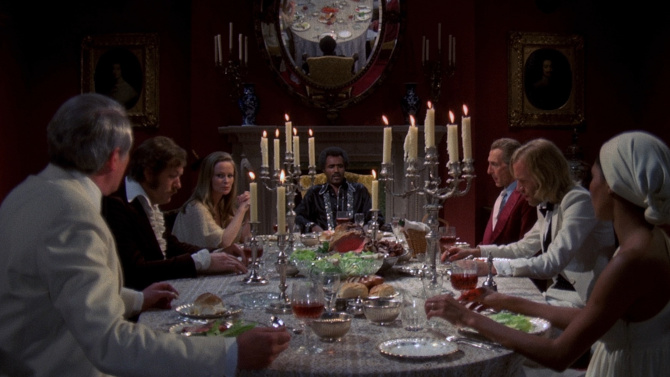
October 3, 2020After the resounding success of Part 1, here is my second set of Missed the Bloody Cut reviews for 2020. . . featuring three more eccentric horror films that didn’t make the grade, but deserve to be recognized for a number of reasons anyway. Enjoy!